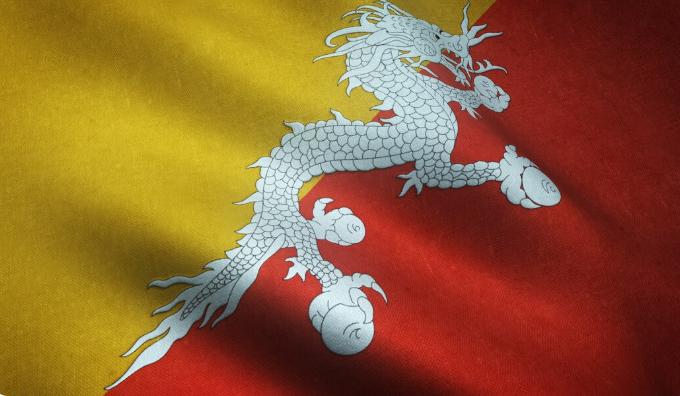
Property for sale in Bhutan offers a unique opportunity to enter one of Asia’s most culturally rich and environmentally conscious real estate landscapes. Known for its breathtaking Himalayan scenery, commitment to Gross National Happiness, and carefully managed development policies, Bhutan presents a distinctive property market shaped by sustainability, tradition, and long-term vision.
Whether you are seeking a peaceful lifestyle residence surrounded by nature, a culturally immersive living experience, or a niche long-term investment in an emerging market, Bhutan continues to attract interest from buyers who value authenticity, tranquility, and a slower pace of life.
Real Estate in Bhutan: Stability and Cultural Value
Bhutan stands apart from most real estate markets in Asia due to its strong emphasis on preserving culture, environment, and social harmony. The country’s property market is not driven purely by rapid urbanization or speculation, but rather by balanced development and long-term sustainability.
The real estate sector in Bhutan is influenced by government policies that prioritize controlled growth and protect national interests. Land ownership and property transactions are closely regulated, ensuring that development aligns with the country’s cultural and environmental goals. This approach creates a stable, low-volatility market where sudden price fluctuations are less common.
Bhutan’s economy is gradually expanding, supported by sectors such as tourism, hydropower, and agriculture. As infrastructure improves and urban centers develop, demand for residential and commercial properties continues to grow, particularly in key towns and cities.
The property market primarily consists of residential homes, apartments, traditional houses, and small commercial buildings. Construction often reflects Bhutanese architectural heritage, with intricate woodwork, sloped roofs, and designs that blend harmoniously with the natural landscape.
Foreign ownership of property in Bhutan is highly restricted, which maintains exclusivity and protects domestic interests. However, there are opportunities through long-term leases, partnerships, or business investments, making the market appealing to those willing to explore structured entry options.
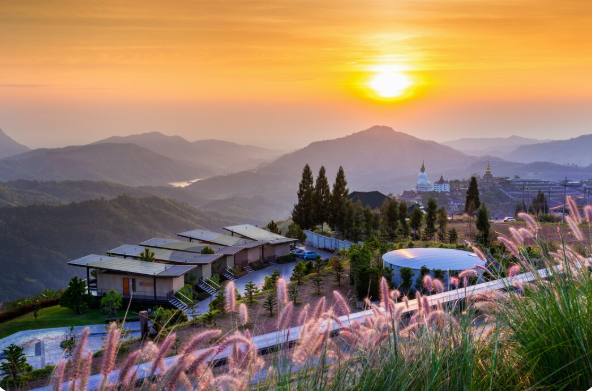
Key Property Areas in Bhutan
Bhutan offers a selection of locations that vary in lifestyle, accessibility, and investment potential, each reflecting the country’s unique blend of tradition and modernity.
Thimphu, the capital city, is the primary hub for real estate activity. As the political and economic center, it offers the highest concentration of residential apartments, office spaces, and commercial properties. Thimphu combines modern infrastructure with traditional architecture, making it attractive for both residents and investors seeking urban convenience.
Paro is another key location, known for its scenic beauty and international airport. The area is popular for residential properties, boutique hotels, and hospitality investments. Its proximity to major cultural landmarks and tourist attractions enhances its appeal, particularly for those interested in tourism-related ventures.
Phuentsholing, located near the Indian border, serves as a commercial gateway and trade center. Properties in this area are often focused on business and logistics, offering opportunities for commercial investments and rental income.
Punakha, the former capital, is known for its peaceful environment and agricultural landscape. It offers a more relaxed lifestyle, with properties suited for those looking for countryside living or retreat-style homes.
Emerging towns such as Gelephu and Samdrup Jongkhar are gradually developing, supported by infrastructure improvements and economic initiatives. These areas present early-stage opportunities for buyers seeking long-term growth potential.
Each region offers a different experience, allowing buyers to choose based on lifestyle preferences, business interests, and investment goals.
Apartments, Condominiums, and Traditional Homes in Bhutan
Bhutan’s property market provides a range of residential options that reflect both modern needs and traditional values.
Apartments are increasingly common in urban areas like Thimphu and Phuentsholing. These developments cater to working professionals, families, and government employees. While not as high-rise or luxury-focused as in larger Asian cities, they offer practical living spaces with essential amenities.
Standalone houses are a popular choice, particularly among local buyers. These homes often feature traditional Bhutanese architecture, including painted facades, wooden windows, and spacious interiors. They provide a sense of cultural identity and are typically located in quieter neighborhoods.
Traditional farmhouses are found in rural areas and are ideal for those seeking a connection with nature and agricultural living. These properties often come with land and offer opportunities for self-sustained lifestyles or eco-tourism ventures.
Commercial properties, including small shops, guesthouses, and office spaces, are concentrated in urban centers and border towns. With tourism playing a key role in the economy, boutique hotels and homestays are becoming increasingly popular investment options.
Luxury real estate is limited but gradually emerging, particularly in areas with high tourism appeal. These properties focus more on exclusivity, natural surroundings, and cultural authenticity rather than large-scale modern developments.
The diversity of property types ensures that buyers can find options aligned with their lifestyle, whether they prioritize simplicity, tradition, or urban convenience.
Investment Opportunities in Bhutan
Bhutan offers a distinctive investment landscape, where the focus is on long-term value rather than rapid returns. While the market is relatively small compared to other Asian countries, it presents niche opportunities for the right type of investor.
One of the key advantages of investing in Bhutan is the country’s commitment to sustainability and controlled development. This approach helps maintain property values and prevents oversupply, contributing to a stable market environment.
Tourism-related investments are among the most promising opportunities. Bhutan’s “high value, low impact” tourism policy attracts visitors seeking unique cultural and natural experiences. This creates demand for boutique accommodations, eco-lodges, and hospitality services.
Rental income potential exists בעיקר in urban centers such as Thimphu and Phuentsholing, where there is steady demand from professionals, expatriates, and businesses. Residential properties in these areas can generate consistent, though moderate, returns.
Infrastructure development, including road networks and urban planning initiatives, is gradually enhancing connectivity and accessibility. As these improvements continue, property values in key regions are expected to appreciate over time.
However, investors must carefully navigate legal requirements and ownership restrictions. Working with local partners and understanding regulatory frameworks is essential for successful investment.
While Bhutan may not offer the high-speed growth seen in other markets, it provides a unique opportunity for stable, ethical, and culturally aligned investment.
Lifestyle, Connectivity, and Natural Appeal
Bhutan offers a lifestyle that is deeply rooted in nature, culture, and well-being. The country is known for its peaceful environment, strong community values, and emphasis on happiness and quality of life.
The cost of living in Bhutan is relatively moderate compared to major global cities, though imported goods can be more expensive due to limited local production. Basic services, healthcare, and education are steadily improving, particularly in urban areas.
Bhutan’s natural beauty is one of its greatest attractions. Surrounded by mountains, forests, and rivers, the country provides endless opportunities for outdoor activities such as hiking, meditation, and cultural exploration.
Connectivity is improving, with Paro International Airport serving as the main gateway to the country. While travel options are more limited compared to larger nations, Bhutan’s accessibility is gradually expanding through regional connections.
Urban centers like Thimphu offer a blend of modern amenities and traditional charm, including cafes, markets, and cultural institutions. At the same time, rural areas provide a slower pace of life, ideal for those seeking tranquility and simplicity.
Safety and social stability are key strengths of Bhutan. The country has low crime rates and a strong sense of community, making it an appealing destination for families and individuals alike.
The combination of natural beauty, cultural richness, and a mindful approach to development creates a lifestyle that is both unique and deeply fulfilling.
Your Guide to Property in Bhutan
Asiarealestate.uk is designed to provide UK-based buyers with clear and practical insights into property markets across Asia, including Bhutan. Our goal is to simplify the process of exploring international real estate and help you identify opportunities that align with your objectives.
Whether you are considering a traditional home in a peaceful valley, an apartment in a growing urban center, or a hospitality investment in a scenic tourist destination, Bhutan offers a range of options shaped by its unique philosophy and development approach.
Understanding the local regulations, cultural context, and market dynamics is essential when exploring property opportunities in Bhutan. With the right knowledge and partnerships, buyers can navigate the process effectively and make informed decisions.
From serene countryside properties to emerging urban developments, Bhutan presents a rare combination of stability, authenticity, and long-term potential. For those seeking more than just financial returns, it offers a meaningful and distinctive real estate experience.