
Property for sale in North Korea presents a highly unique and unconventional segment of the global real estate landscape. Unlike open and market-driven property environments found in most countries, North Korea operates under a centralized system where land and property ownership are controlled by the state. This creates a very different framework for what “property for sale” means, particularly for foreign observers and potential investors.
While traditional private ownership is not recognized in the same way as in other countries, there are limited forms of property usage rights and state-allocated housing that function within the domestic system. For individuals seeking to understand or explore real estate in North Korea, it is essential to approach the subject with a clear understanding of the country’s legal structure, political environment, and economic model.
Whether viewed from an academic, geopolitical, or highly specialized investment perspective, North Korea’s property landscape remains one of the most restricted and tightly controlled in the world.
Real Estate in North Korea: Structure and State Control
North Korea’s real estate system is fundamentally different from market economies due to its centralized governance and socialist framework. All land in the country is owned by the state, and individuals do not have the legal right to buy or sell property in the conventional sense.
Housing is typically allocated by the government based on employment, social status, and family needs. Citizens are assigned apartments or homes, particularly in urban areas such as Pyongyang, which is considered the most prestigious location in the country. These allocations are not permanent ownership rights but rather usage permissions that can change based on circumstances.
In recent years, there have been reports of informal markets emerging within the domestic population, where usage rights to apartments are exchanged or transferred. However, these transactions exist outside formal legal frameworks and are not recognized as official property sales.
The real estate environment is shaped by strict government planning and urban development policies. Construction projects are often initiated and completed by the state, with a focus on showcasing national progress and modernization, especially in key cities.
For foreign individuals or companies, direct ownership of residential property is not permitted. Any involvement in real estate is typically limited to government-approved projects or diplomatic arrangements, making the market highly restricted.
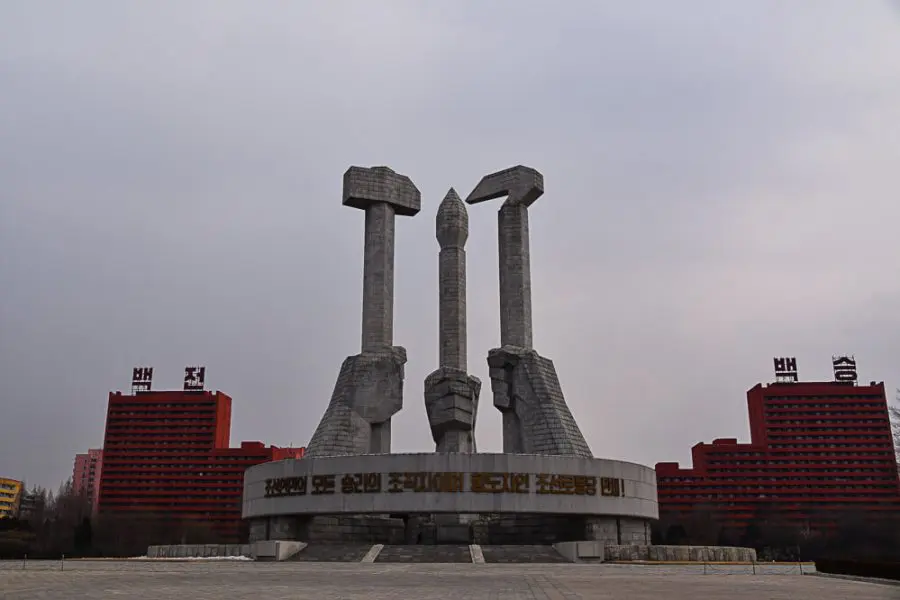
Key Property Areas in North Korea
North Korea’s property landscape is largely defined by its major cities and strategically important regions, each serving specific political, economic, or symbolic roles.
Pyongyang, the capital city, is the most developed and prominent urban center in the country. It features high-rise apartment buildings, government complexes, and modern infrastructure compared to other regions. Housing in Pyongyang is considered prestigious and is generally reserved for individuals with higher social or political standing. Developments in the city often reflect state priorities, including new residential districts designed to demonstrate progress.
Other cities such as Kaesong, Nampo, and Hamhung also play important roles within the country. Kaesong, located near the border with South Korea, has historical and economic significance, particularly due to its former industrial cooperation zone. Nampo serves as a key port city, contributing to trade and logistics, while Hamhung is an industrial hub.
Rural areas present a very different housing structure, with simpler homes and limited infrastructure. These regions are primarily focused on agriculture and local community living, with housing assigned based on local administrative systems.
Tourism-related zones, including designated areas for foreign visitors, have seen limited development of accommodation facilities. However, these are not traditional residential properties and are strictly regulated by the government.
Each region reflects the broader economic and administrative priorities of the state, rather than a market-driven approach to real estate.
Apartments, Housing, and Property Types in North Korea
The concept of property types in North Korea differs significantly from that of open-market countries, as the focus is on functional housing rather than investment-driven real estate diversity.
Apartments are the most common form of housing, particularly in urban areas. These range from older Soviet-style buildings to newer high-rise developments constructed in recent years. The quality and size of apartments can vary widely depending on location and the occupant’s status.
State-built housing projects often include large residential complexes designed to accommodate significant portions of the population. These developments may feature basic amenities, though standards can differ considerably compared to international benchmarks.
Detached houses are less common in urban areas but can be found in rural regions. These homes are typically simpler in design and constructed using locally available materials. They are assigned to families engaged in agricultural or local community work.
Special housing arrangements exist for government officials, military personnel, and individuals with higher social standing. These residences are often located in more developed areas and may offer better facilities and living conditions.
It is important to note that all these housing types are allocated rather than purchased, and the concept of property ownership remains tied to state authority.
Investment Opportunities in North Korea
Investment opportunities in North Korea’s real estate sector are extremely limited and highly regulated. Unlike traditional property markets, there is no open system for buying, selling, or leasing residential or commercial real estate for profit.
Foreign investment is generally restricted to specific sectors approved by the government, such as infrastructure, tourism, or industrial development. In these cases, participation may involve joint ventures or state partnerships rather than direct property ownership.
Special economic zones have been established in certain areas to encourage limited foreign investment. These zones may offer more flexible arrangements for business operations, including the development of facilities and infrastructure. However, even within these zones, land ownership remains under state control.
The lack of transparency, legal protections, and market mechanisms presents significant challenges for investors. Property values are not determined by supply and demand in the traditional sense, and there is no established system for resale or capital appreciation.
For most international investors, North Korea does not function as a viable real estate investment destination. Any involvement requires careful consideration of political, legal, and economic risks.
Lifestyle, Infrastructure, and Living Conditions
Living conditions in North Korea vary widely depending on location, occupation, and access to resources. Urban centers, particularly Pyongyang, offer relatively better infrastructure and services compared to rural areas.
The capital city features organized urban planning, public transportation systems, and access to education and healthcare facilities. However, these services are primarily designed for residents selected to live in the city, and access may be limited for others.
In contrast, rural areas often face challenges related to infrastructure, including limited access to modern amenities and utilities. Housing conditions in these regions reflect a more basic standard of living.
The country maintains a controlled environment with restricted access to external information and limited interaction with the global community. This significantly impacts the overall lifestyle experience for residents.
Transportation and connectivity are also influenced by state policies, with domestic travel requiring permissions in certain cases. International connectivity is minimal, reflecting the country’s isolated position.
While there have been efforts to modernize certain aspects of infrastructure, particularly in key urban areas, the overall living environment remains shaped by the country’s political and economic system.
Legal Considerations and Ownership Restrictions
Understanding the legal framework is essential when discussing property in North Korea. The absence of private land ownership is the defining feature of the system, and all real estate is controlled by the state.
Citizens are granted the right to use housing but do not possess ownership in the legal sense. These rights can be reassigned or revoked based on government decisions, making them fundamentally different from freehold or leasehold systems found elsewhere.
Foreign individuals are not permitted to purchase residential property. Any involvement in real estate must be conducted through government-approved channels and is typically limited to specific projects.
Legal protections for property transactions are minimal, particularly for foreign participants. The regulatory environment lacks the transparency and safeguards commonly found in established property markets.
Due to these restrictions, the concept of property investment in North Korea is largely theoretical for international buyers.
Your Guide to Property in North Korea
Asiarealestate.uk aims to provide clear and practical insights into property markets across Asia, including those that operate under unique and complex systems such as North Korea. Our objective is to help readers understand the realities of each market, even when they differ significantly from conventional expectations.
Exploring property in North Korea requires a shift in perspective, focusing less on ownership and investment and more on understanding the country’s structural and regulatory framework. The absence of a traditional real estate market means that opportunities are limited and highly specialized.
For most buyers and investors, North Korea is not a typical destination for property acquisition. However, studying its system offers valuable insights into how real estate functions within a centrally planned economy.
From state-controlled housing allocations to restricted foreign involvement, North Korea presents a distinct and tightly regulated property environment. Understanding these dynamics is essential for anyone seeking a comprehensive view of real estate across Asia.