Author: Dee Kapoor

  • Property for Sale in Myanmar

    Property for sale in Myanmar offers a unique opportunity to enter an emerging real estate market shaped by cultural heritage, natural beauty, and gradual economic development. Known for its historic cities, scenic landscapes, and untapped potential, Myanmar presents a range of property options, from urban apartments and commercial spaces to land investments and traditional homes.

    Whether you are looking for a long-term investment, a residential property in a growing city, or land with future development potential, Myanmar attracts interest due to its relatively low entry costs, expanding infrastructure, and strategic location within Southeast Asia.

    Real Estate in Myanmar: Growth and Potential

    Myanmar’s real estate market is considered one of the more developing sectors in Southeast Asia, offering opportunities for investors willing to take a long-term view. While the market is still evolving, it reflects a combination of traditional practices and modern development trends.

    The country’s economic reforms over recent years have contributed to increased interest in property, particularly in major cities. Urbanization is gradually driving demand for residential and commercial spaces, especially in areas with improving infrastructure and connectivity.

    The real estate sector in Myanmar includes apartments, condominiums, landed homes, and undeveloped land. In major cities, newer developments are introducing modern living standards, including improved construction quality and amenities. At the same time, traditional housing remains common, reflecting the country’s cultural identity.

    Government regulations play an important role in shaping the property market. While foreign ownership is restricted in certain segments, particularly land ownership, there are provisions that allow foreign investors to participate in condominium developments under specific conditions. Understanding these regulations is essential for navigating the market effectively.

    Despite challenges, Myanmar’s property market holds potential for growth as infrastructure improves and economic conditions stabilize. Investors are often drawn by the possibility of entering at an early stage in a developing market.
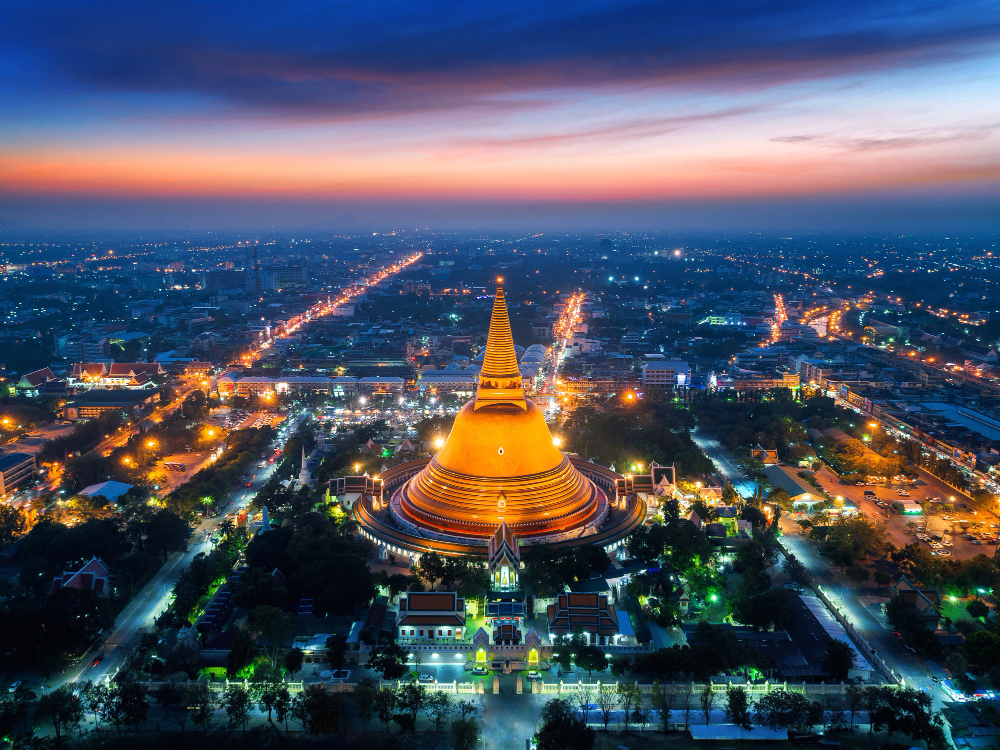
    Key Property Areas in Myanmar

    Myanmar offers a variety of locations for property investment, each with its own characteristics and opportunities.

    Yangon, the largest city and former capital, is the primary real estate hub. It features a mix of colonial architecture, modern developments, and commercial districts. Areas such as downtown Yangon, Bahan, and Yankin are popular for residential and commercial properties due to their proximity to business centers and amenities. Yangon remains the top choice for investors seeking rental income and urban living.

    Mandalay, the cultural and economic center of northern Myanmar, offers growing opportunities. The city is known for its historical significance and expanding infrastructure. Property prices are generally lower than in Yangon, making it attractive for investors looking for value and future appreciation.

    Naypyidaw, the administrative capital, presents a different type of market. With wide roads, government buildings, and planned zones, it offers opportunities for long-term development, although demand is currently more limited compared to Yangon.

    Coastal and tourist areas such as Ngapali and Ngwe Saung are gaining attention for hospitality and vacation property investments. These regions offer beachfront land and resort-style developments, appealing to those interested in tourism-related opportunities.

    Secondary cities and regional towns also present potential, particularly as infrastructure projects improve connectivity. Each location offers different advantages depending on investment goals, whether focused on rental income, capital growth, or land development.

    Apartments, Condominiums, and Landed Properties in Myanmar

    Myanmar’s property market includes a variety of residential and investment options suited to different needs and budgets.

    Apartments are the most common type of urban housing. These range from basic units in older buildings to more modern apartments in newly constructed developments. While older apartments may lack amenities, they often provide affordability and central locations.

    Condominiums represent a newer segment of the market and are particularly important for foreign investors. Under Myanmar’s Condominium Law, foreigners can purchase units in registered condominium buildings, subject to certain limits. These developments typically include features such as elevators, security, parking, and shared facilities.

    Landed properties, including houses and plots of land, are widely available but are generally restricted to local ownership. These properties offer flexibility for development and are often preferred by local buyers for residential or commercial use.

    Land investment is a significant aspect of Myanmar’s real estate market. Investors interested in long-term growth often consider land in expanding urban areas or near infrastructure projects. However, due diligence is critical, as land ownership and documentation can be complex.

    The diversity of property types allows buyers to explore options based on their objectives, whether focusing on affordability, rental income, or development potential.

    Investment Opportunities in Myanmar

    Myanmar presents a different kind of investment profile compared to more mature markets in Asia. It is often viewed as a high-risk, high-potential market where careful research and a long-term perspective are essential.

    One of the key attractions is the relatively low cost of entry. Compared to established markets, property prices in Myanmar can be significantly lower, allowing investors to acquire assets at an early stage of market development.

    Urban growth is a major driver of demand. As cities expand and populations increase, the need for housing, office spaces, and retail properties continues to grow. Yangon, in particular, shows consistent demand for rental properties, especially among expatriates and business professionals.

    Infrastructure development plays a crucial role in shaping investment opportunities. Improvements in roads, utilities, and transportation networks can significantly enhance property values over time. Areas benefiting from such developments are often considered promising for future growth.

    However, investors must also consider challenges, including regulatory complexities, market transparency, and economic uncertainties. Working with local experts and conducting thorough due diligence is essential to minimize risks.

    Despite these challenges, Myanmar offers opportunities for those willing to navigate its evolving market. The focus is often on long-term gains rather than immediate returns.

    Lifestyle, Connectivity, and Cultural Appeal

    Myanmar offers a distinct lifestyle shaped by its rich cultural heritage, natural landscapes, and slower pace of life compared to more urbanized countries. The country is known for its historic temples, traditional markets, and strong sense of community.

    The cost of living in Myanmar is generally lower than in many other Asian countries, although it varies depending on the city and lifestyle. Basic living expenses can be affordable, while imported goods and modern amenities may come at a higher cost.

    Healthcare and education facilities are improving, particularly in major cities. International schools and private healthcare options are available in Yangon, catering to expatriates and higher-income residents.

    Connectivity within the country is gradually improving, with ongoing investments in transportation and infrastructure. Yangon International Airport serves as the main gateway, connecting Myanmar to regional destinations.

    Myanmar’s appeal also lies in its natural beauty, including beaches, mountains, and rivers. This creates opportunities for a balanced lifestyle that combines urban living with access to nature.

    Safety and stability can vary depending on the region, and it is important for potential buyers to stay informed about local conditions. Nevertheless, many areas offer a peaceful environment and a welcoming atmosphere.

    Your Guide to Property in Myanmar

    Asiarealestate.uk is designed to provide UK-based buyers with clear and practical insights into property markets across Asia, including Myanmar. Our aim is to help simplify the process of exploring international real estate opportunities and understanding markets that are still developing.

    Whether you are considering an apartment in Yangon, a condominium unit eligible for foreign ownership, or land with long-term development potential, Myanmar offers a range of possibilities for different investment strategies.

    Understanding the legal framework, ownership restrictions, and local market dynamics is essential when purchasing property in Myanmar. Careful planning, professional guidance, and thorough research can help buyers navigate the complexities of this market.

    Myanmar continues to evolve, offering a blend of tradition and opportunity. For those willing to take a strategic and patient approach, the country’s real estate market presents the potential for growth, diversification, and early-stage investment advantages.

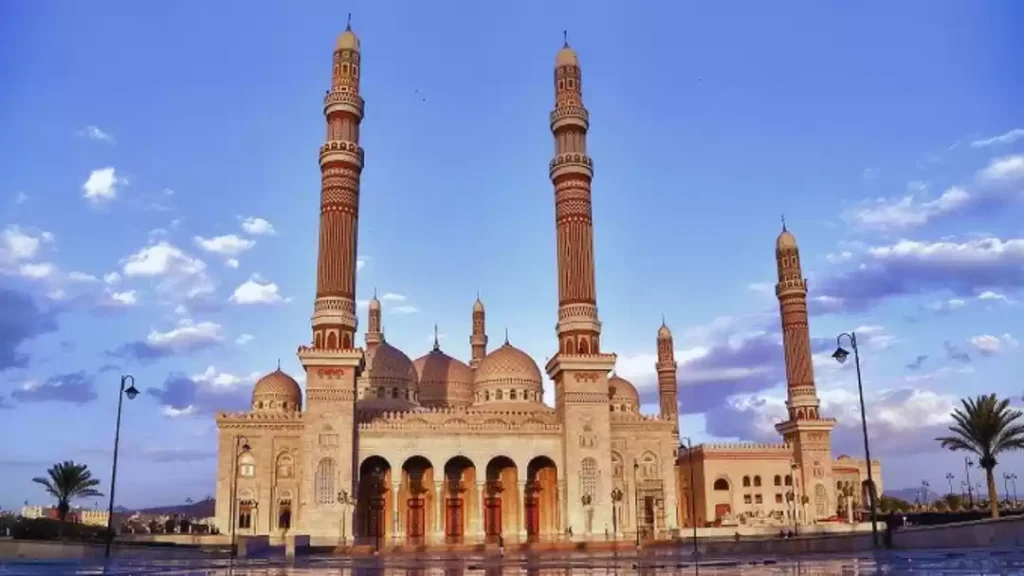
  • Property for Sale in Yemen

    Property for sale in Yemen offers a unique opportunity to explore a real estate market shaped by rich history, diverse landscapes, and evolving economic conditions.

    Whether you are looking for an affordable residence, a culturally significant property, or a long-term investment in an emerging market, Yemen’s property sector reflects both challenges and opportunities.

    Real Estate in Yemen: Tradition and Emerging Potential

    Yemen’s real estate market reflects its rich cultural and architectural heritage. The country showcases unique construction styles, including mud-brick tower houses, stone-built homes, and intricately decorated facades that highlight centuries of craftsmanship.

    At the same time, urban centres such as Sana’a and Aden have seen gradual development of modern housing, including apartments and newly constructed residential buildings.

    Economic conditions, infrastructure development, and regional stability influence the real estate sector in Yemen.While these factors can create uncertainty, they also contribute to relatively lower property prices compared to many other markets in the region. This affordability can be appealing for buyers willing to take a long-term view.

    Demand for property is primarily driven by local residents, but there is also interest from expatriates and investors with connections to the country. In certain areas, especially those with improving infrastructure or commercial activity, property values have the potential to grow as conditions stabilize and development progresses.

    Key Property Areas in Yemen

    Yemen offers a variety of locations with different characteristics, each providing distinct opportunities for property buyers.

    Sana’a, the capital city, is one of the most historically significant urban centres in the region. Known for its UNESCO-listed Old City, Sana’a features traditional multi-story homes with unique architectural designs. While modern housing options are available in newer districts, many buyers are drawn to the cultural richness and heritage value of properties in this area.

    Aden, located on the southern coast, is an important port city with strategic economic significance. Its coastal location, combined with ongoing development efforts, makes it an attractive area for residential and commercial property investment. Properties in Aden range from older homes to newer apartments, particularly in areas close to the waterfront.

    Taiz is another major city that offers a mix of traditional and modern housing. Known for its cultural importance and educational institutions, Taiz attracts families and professionals seeking affordable housing options. The city’s central location also makes it a key hub for regional connectivity.

    Hadhramaut, including cities such as Mukalla and Seiyun, is known for its distinctive architecture and relatively stable environment compared to other regions. Properties here often feature traditional designs with spacious layouts. The region has seen interest from buyers looking for heritage properties and long-term investment opportunities.

    Coastal areas along the Arabian Sea and Red Sea offer potential for tourism-related developments. While infrastructure in these regions is still developing, they present opportunities for buyers interested in future growth, particularly in hospitality and leisure sectors.

    Each location in Yemen offers different advantages, allowing buyers to choose based on lifestyle preferences, cultural interest, and investment goals.

    Apartments, Houses, and Traditional Homes in Yemen

    Yemen’s property market includes a diverse range of residential options, reflecting both its historical roots and evolving urban development.

    Apartments are increasingly common in cities such as Sana’a and Aden. These properties are typically located in multi-story buildings and offer practical living spaces for families and individuals. While amenities may vary, newer developments often include improved construction standards and modern layouts.

    Standalone houses are widely available across the country. These homes range from simple single-story structures to larger multi-level residences. In urban areas, houses may be built using concrete and modern materials, while in rural regions, traditional construction methods remain prevalent.

    Traditional Yemeni homes are one of the most distinctive features of the market. Often built from mud bricks or stone, these houses are designed to adapt to the local climate. Features such as thick walls, small windows, and decorative elements provide both functionality and aesthetic appeal. Many of these properties are located in historic districts and carry significant cultural value.

    Villas and larger residences are available in certain urban and suburban areas, offering more space and privacy. These properties are often preferred by families and individuals seeking long-term residence.

    The variety of property types ensures that buyers can find options suited to different budgets and preferences, from affordable apartments to unique heritage homes.

    Investment Opportunities in Yemen

    Yemen presents a different kind of investment landscape compared to more developed markets. While it may not offer immediate high returns, it provides opportunities for long-term growth and value acquisition at relatively low entry costs.

    One of the main advantages of investing in Yemen is affordability. Property prices are significantly lower than in many neighboring countries, allowing investors to acquire larger or more distinctive properties within a modest budget. This can be particularly appealing for buyers looking to diversify their portfolios.

    Urban areas with improving infrastructure and economic activity offer potential for gradual appreciation. As development projects progress and stability improves, property values in key cities may increase over time.

    Rental income opportunities exist, particularly in cities with higher population density and economic activity. Demand for rental housing is driven by local residents, professionals, and businesses. While rental yields may vary, well-located properties can generate steady income.

    Tourism-related investments also hold potential, especially in coastal regions and historically significant areas. Yemen’s cultural heritage and natural landscapes could attract future tourism development, creating opportunities for hospitality-related properties.

    However, it is important for investors to approach the market with careful research and local expertise. Legal processes, property registration, and ownership rights may vary, and understanding these aspects is essential for a secure transaction.

    Despite the challenges, Yemen offers a unique opportunity for investors willing to take a long-term perspective and explore an emerging market with untapped potential.

    Lifestyle, Connectivity, and Cultural Appeal

    Living in Yemen offers a lifestyle deeply connected to tradition, community, and cultural heritage. The country’s rich history is reflected in its architecture, cuisine, and daily life, providing a distinctive experience for residents.

    The cost of living in Yemen is relatively low compared to many other countries, making it accessible for individuals and families seeking affordable living options. Basic goods and services are generally priced lower, although availability can vary depending on location.

    Yemen’s cities offer a mix of traditional markets, known as souks, and modern facilities. These markets are central to daily life, offering everything from fresh produce to handmade crafts. Community interactions and social connections play a significant role in the lifestyle.

    Healthcare and education facilities are available in major cities, though their quality and accessibility may vary. Private institutions often provide higher standards of service.

    Connectivity within the country depends on infrastructure, which is gradually developing. Major cities are connected by road networks, while ports such as Aden play an important role in trade and transportation.

    Yemen’s natural landscapes add to its appeal, with mountains, deserts, and coastlines offering diverse environments. For those who appreciate cultural depth and traditional living, Yemen provides a unique and enriching experience.

    Your Guide to Property in Yemen

    Asiarealestate.uk is designed to provide UK-based buyers with clear and practical insights into property markets across Asia and the Middle East, including Yemen. Our aim is to help you navigate complex markets with confidence and identify opportunities that align with your goals.

    Whether you are interested in a traditional home in a historic city, an affordable apartment in an urban centre, or a coastal property with long-term potential, Yemen offers a range of options to explore.

    Understanding the local market, legal framework, and regional conditions is essential when considering property in Yemen. Working with local experts, conducting thorough due diligence, and taking a long-term perspective can help mitigate risks and maximize opportunities.

    While the market may not be as developed as others, it offers a distinctive combination of affordability, cultural richness, and future potential. For buyers who value uniqueness and are willing to explore emerging markets, Yemen presents an opportunity to invest in properties that carry both character and long-term promise.

    From historic architectural treasures to evolving urban developments, Yemen’s property market reflects a blend of tradition and possibility, making it an intriguing option for thoughtful and informed buyers.

  • Property for Sale in Turkey

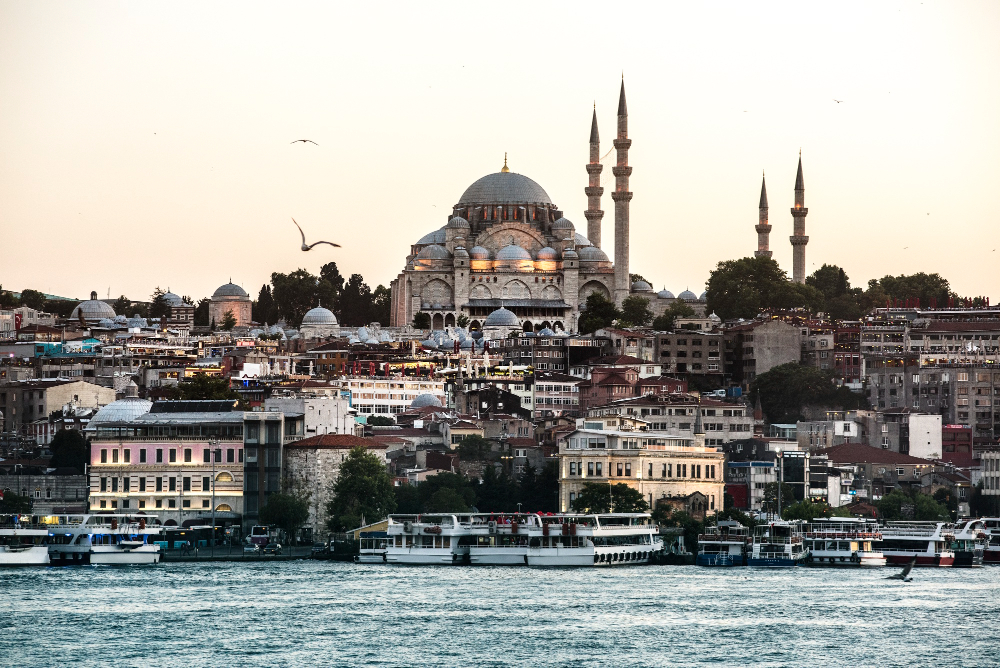
    Property for sale in Turkey offers access to one of the most dynamic and diverse real estate markets bridging Europe and Asia. Known for its rich cultural heritage, stunning coastlines, and rapidly developing cities, Turkey provides a wide range of property options, from modern city apartments to luxurious villas and seaside residences.

    Whether you are looking for a lifestyle home, a holiday retreat, or a high-potential investment, Turkey continues to attract international buyers due to its competitive property prices, residency opportunities, and growing demand across key regions.

    Real Estate in Turkey: Growth and Accessibility

    Turkey has emerged as a prominent real estate destination, offering a unique combination of affordability, growth potential, and lifestyle appeal. The market has expanded significantly over the past decade, driven by urban development, tourism, and increased foreign investment.

    The country’s strategic location between Europe, Asia, and the Middle East has contributed to its economic growth and global relevance. Major cities such as Istanbul, Ankara, and Izmir have experienced strong infrastructure development, while coastal regions continue to attract buyers seeking leisure and lifestyle properties.

    The Turkish government has actively supported the real estate sector by introducing investor-friendly policies, including citizenship-by-investment programs. These initiatives have made property ownership more accessible to foreign buyers, increasing international interest in the market.

    Turkey’s property market includes a mix of apartments, villas, commercial spaces, and land investments. Modern developments often feature high-quality construction, contemporary designs, and lifestyle amenities such as swimming pools, gyms, and security services.

    Foreign buyers benefit from a relatively straightforward purchasing process, supported by a clear legal framework. Compared to many European markets, entry prices remain attractive, making Turkey a compelling option for both first-time international investors and experienced buyers.

    Key Property Areas in Turkey

    Turkey offers a wide variety of locations, each with its own distinct character, investment potential, and lifestyle benefits.

    Istanbul stands as the country’s largest city and economic hub. It offers a mix of modern developments and historical charm, with properties ranging from luxury apartments overlooking the Bosphorus to contemporary residences in newly developed districts. The city attracts investors due to its strong rental demand and long-term appreciation potential.

    Antalya is one of the most popular coastal destinations, known for its Mediterranean lifestyle, beautiful beaches, and thriving tourism sector. Properties here include holiday apartments, resort-style developments, and villas with sea views. Antalya is especially attractive for buyers seeking rental income through short-term holiday lets.

    Bodrum is renowned for its upscale lifestyle and scenic coastline. The area offers luxury villas, boutique developments, and waterfront homes. It has become a preferred destination for high-end buyers looking for exclusivity and tranquility combined with vibrant social life.

    Fethiye provides a more relaxed and affordable coastal environment. It is popular among international buyers seeking a peaceful lifestyle, with options ranging from budget-friendly apartments to private villas surrounded by nature.

    Izmir offers a balance between city living and coastal charm. As one of Turkey’s major cities, it combines modern infrastructure with a laid-back atmosphere. The property market here is growing steadily, making it appealing for long-term investment.

    Ankara, the capital city, presents opportunities in residential and commercial real estate. While it is less focused on tourism, it offers stable demand driven by government institutions and business activity.

    Each region provides unique advantages, allowing buyers to choose based on their lifestyle preferences, budget, and investment goals.

    Apartments, Villas, and Property Types in Turkey

    Turkey’s real estate market caters to a wide range of buyers by offering diverse property types suited to different needs and budgets.

    Apartments are the most common type of property, especially in urban areas. Modern apartment complexes often include shared amenities such as swimming pools, fitness centers, landscaped gardens, and 24-hour security. These properties are popular among both investors and residents due to their affordability and convenience.

    Villas represent a premium segment of the market, offering more space, privacy, and luxury features. Many villas are located in coastal regions and include private pools, gardens, and panoramic views. They are ideal for buyers seeking a holiday home or a high-end lifestyle residence.

    Duplexes and penthouses provide a middle ground between apartments and villas, offering additional space and premium features within residential developments. These properties are particularly attractive in cities and resort areas.

    Commercial properties, including offices, retail spaces, and hotels, are also available for investors looking to diversify their portfolios. Turkey’s growing economy and tourism industry support demand in this sector.

    Land investments are another option, particularly in developing areas where future infrastructure projects are expected to increase property values. This type of investment requires careful planning but can offer significant long-term returns.

    The variety of property types ensures that buyers can find suitable options, whether they are looking for an affordable entry point or a luxury residence.

    Investment Opportunities in Turkey

    Turkey offers a range of investment opportunities supported by its growing economy, expanding tourism industry, and strategic global position.

    One of the key attractions is affordability. Compared to many European countries, property prices in Turkey remain relatively low, allowing investors to enter the market with a smaller budget while still accessing high-quality properties.

    The potential for capital appreciation is strong, particularly in developing urban areas and popular coastal destinations. Infrastructure projects, urban regeneration, and increasing foreign demand contribute to rising property values over time.

    Rental income is another important factor. Tourist hotspots such as Antalya, Bodrum, and Fethiye offer opportunities for short-term holiday rentals, while major cities like Istanbul provide steady demand for long-term rentals.

    Turkey’s citizenship-by-investment program has further enhanced its appeal. By purchasing property above a specified value, foreign investors can qualify for Turkish citizenship, making it an attractive option for those seeking mobility and long-term benefits.

    The country’s infrastructure continues to improve, with investments in transportation, healthcare, and education. New airports, highways, and public transport systems increase accessibility and enhance property value in surrounding areas.

    While the market offers strong opportunities, investors should conduct thorough research and consider factors such as location, developer reputation, and legal requirements. With the right approach, Turkey presents a balanced combination of affordability and growth potential.

    Lifestyle, Connectivity, and Cultural Appeal

    Turkey offers a rich and diverse lifestyle, combining modern living with deep cultural traditions. The country is known for its hospitality, cuisine, and vibrant social atmosphere, making it an appealing destination for both residents and visitors.

    The cost of living in Turkey is generally lower than in many Western countries, allowing residents to enjoy a comfortable lifestyle at a relatively affordable cost. This is particularly attractive for retirees and remote workers.

    Turkey’s natural beauty is a major draw. From Mediterranean and Aegean coastlines to mountains and historical landmarks, the country offers a wide range of recreational and leisure opportunities. Coastal regions provide beachside living, while cities offer cultural experiences, shopping, and entertainment.

    The healthcare system includes both public and private options, with many modern facilities available in major cities. International schools and universities also contribute to the country’s appeal for families.

    Turkey’s connectivity is another advantage. Istanbul Airport serves as a major international hub, offering direct flights to destinations around the world. The country’s location makes it a convenient base for travel between Europe, Asia, and the Middle East.

    Safety and community are important aspects of life in Turkey. Many areas, particularly residential developments and smaller towns, offer a secure and welcoming environment for residents.

    The blend of lifestyle benefits, affordability, and cultural richness makes Turkey an attractive choice for property buyers seeking more than just an investment.

    Your Guide to Property in Turkey

    Asiarealestate.uk is designed to provide UK-based buyers with clear and practical insights into property markets across international destinations, including Turkey. The aim is to simplify the process of exploring overseas real estate and help you identify opportunities that align with your personal and financial goals.

    Whether you are considering a modern apartment in a vibrant city, a luxury villa by the coast, or a property with strong rental potential, Turkey offers a wide range of options to suit different preferences.

    Understanding the local market, legal procedures, and financial considerations is essential when purchasing property in Turkey. Working with experienced professionals and conducting due diligence can help ensure a smooth and secure transaction.

    From rapidly developing urban centers to tranquil coastal retreats, Turkey continues to attract global interest. Its combination of affordability, lifestyle appeal, and investment potential makes it a compelling destination for property buyers looking to expand their horizons.

  • Property for Sale in Philippines

    Property for sale in Philippines offers a gateway into one of Southeast Asia’s most dynamic and emerging real estate markets. Known for its tropical landscapes, growing economy, and expanding infrastructure, the Philippines provides a wide range of property options, from beachfront condominiums to suburban homes and high-rise developments in major cities.

    Whether you are seeking a lifestyle property in a coastal destination, a long-term investment in a developing market, or a residence in a fast-growing urban center, the Philippines continues to attract international buyers due to its affordability, strong rental demand, and increasing global interest in its real estate sector.

    Real Estate in Philippines: Growth and Opportunity

    The Philippines stands out as a rapidly developing property market, driven by economic growth, urbanization, and a young, expanding population. Over the past decade, the country has experienced consistent development in infrastructure, business, and tourism, all of which have contributed to increased demand for real estate.

    Major cities such as Metro Manila, Cebu, and Davao have seen significant growth in residential and commercial developments. The rise of business process outsourcing industries and international companies has created a steady demand for housing, particularly in urban areas. This demand supports both property value appreciation and rental income opportunities.

    The government continues to invest in infrastructure projects, including transportation networks, airports, and roads, which are improving connectivity across the country. These developments play a key role in boosting property values and opening new areas for investment.

    The real estate market in the Philippines includes condominiums, house-and-lot developments, townhouses, and resort-style properties. Many new developments are designed with modern amenities and community-focused planning, appealing to both local buyers and foreign investors.

    Foreign ownership regulations exist, particularly for land, but foreigners can legally purchase condominium units within certain limits. This has made the condominium sector especially attractive to international buyers seeking entry into the Philippine property market.

    Key Property Areas in Philippines

    The Philippines offers a variety of locations, each with its own lifestyle appeal and investment potential.

    Metro Manila remains the country’s primary economic and financial hub. Areas such as Makati, Bonifacio Global City, and Ortigas are known for their high-end condominiums, office spaces, and vibrant urban lifestyle. These districts attract professionals, expatriates, and investors looking for strong rental demand and central connectivity.

    Cebu is one of the most popular destinations outside the capital. Known for its balance of urban living and coastal lifestyle, Cebu offers a mix of residential condominiums, beachfront properties, and commercial developments. It is a key hub for tourism and business, making it a strong choice for both lifestyle buyers and investors.

    Davao City is emerging as a stable and growing market in the southern Philippines. It offers more affordable property options compared to Metro Manila while maintaining good infrastructure and quality of life. The city is gaining attention for its safety, development, and long-term potential.

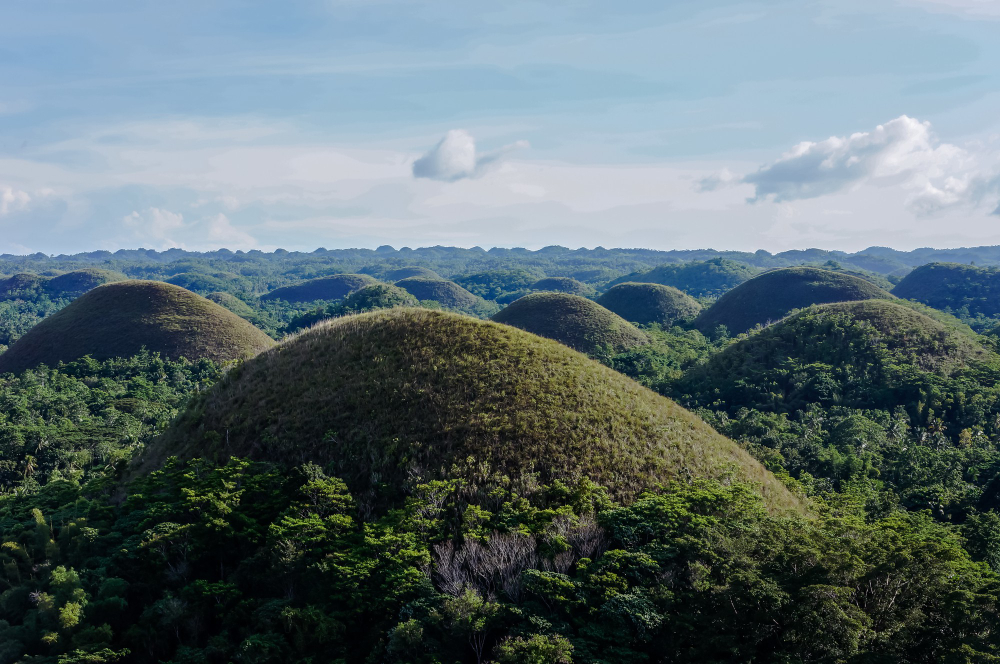
    Tourist destinations such as Boracay, Palawan, and Bohol provide opportunities for resort-style investments and vacation homes. These areas are particularly attractive for buyers interested in short-term rental income or leisure properties.

    Suburban areas surrounding major cities are also gaining popularity due to lower costs and increased space. Developments in these regions often include gated communities with modern facilities, appealing to families and long-term residents.

    Each location offers distinct advantages, allowing buyers to select properties based on their lifestyle preferences, investment strategy, and budget.

    Apartments, Condominiums, and Houses in Philippines

    The Philippine real estate market offers a diverse selection of residential properties to suit different needs and financial goals.

    Condominiums are the most accessible option for foreign buyers. These developments are typically located in urban centers and come with modern amenities such as swimming pools, fitness centers, security services, and retail spaces. Condominiums are popular for their convenience, affordability, and strong rental potential.

    House-and-lot properties are widely available across the country, particularly in suburban and provincial areas. These homes offer more space and privacy compared to condominiums, making them ideal for families. Many developments are part of planned communities with shared facilities and security.

    Townhouses provide a middle ground between condominiums and detached houses. They are often located in urban and semi-urban areas and offer a balance of space, affordability, and accessibility.

    Luxury properties are available in prime locations and resort destinations. These include high-end condominiums, beachfront villas, and exclusive gated community homes. Such properties cater to buyers seeking premium lifestyle experiences and long-term investment value.

    While foreigners cannot directly own land, alternative ownership structures such as long-term leases or corporate ownership are sometimes used. It is important for buyers to understand legal requirements before making a purchase.

    The variety of property types ensures that there are options available for different budgets, whether you are looking for a compact city apartment or a spacious family home.

    Investment Opportunities in Philippines

    The Philippines offers attractive investment opportunities due to its growing economy, increasing urbanization, and rising middle class.

    One of the key advantages of investing in Philippine real estate is affordability compared to other Asian markets. Entry costs are relatively lower, allowing investors to access high-growth areas without the high capital requirements seen in more mature markets.

    Rental demand is strong, particularly in business districts and urban centers. The presence of expatriates, young professionals, and students supports consistent occupancy rates for residential properties. Short-term rentals in tourist areas also provide additional income opportunities.

    Infrastructure development plays a significant role in enhancing property values. New transport systems, highways, and urban projects are improving accessibility and driving growth in previously underdeveloped areas.

    Tourism is another major factor influencing the real estate market. The Philippines is known for its natural beauty, attracting millions of visitors each year. This creates demand for vacation rentals, resort properties, and hospitality-related investments.

    Economic growth and government initiatives continue to support the property sector. Policies aimed at improving business conditions and attracting foreign investment contribute to long-term stability and expansion.

    While the market offers strong potential, investors should conduct thorough research and consider factors such as location, developer reputation, and legal requirements. With the right approach, the Philippines presents a promising environment for both capital appreciation and rental income.

    Lifestyle, Connectivity, and Global Appeal

    The Philippines offers a unique lifestyle that combines urban convenience with natural beauty. From bustling cities to serene beaches, the country provides a wide range of living experiences.

    The cost of living is relatively affordable compared to many other Asian countries, making it attractive for both retirees and working professionals. Everyday expenses, including food, transportation, and services, are generally lower while still offering a comfortable standard of living.

    The country is known for its warm climate and friendly culture. English is widely spoken, which makes communication easy for international buyers and residents. This accessibility adds to the overall appeal of living and investing in the Philippines.

    Connectivity is steadily improving, with major airports linking the country to global destinations. Domestic travel is also convenient, allowing residents to explore different regions and islands with ease.

    Healthcare and education facilities are expanding, particularly in major cities. International schools and modern hospitals are available, supporting both local residents and expatriates.

    The Philippines also offers a strong sense of community and lifestyle flexibility. Whether you prefer a fast-paced urban environment or a relaxed coastal setting, there are options to suit different preferences.

    Safety and infrastructure vary by location, so it is important to choose areas that align with your expectations. Well-developed cities and established communities typically offer better services and security.

    The combination of affordability, lifestyle diversity, and improving infrastructure makes the Philippines an appealing choice for property buyers.

    Your Guide to Property in Philippines

    Asiarealestate.uk is designed to provide UK-based buyers with clear and practical insights into property markets across Asia, including the Philippines. The aim is to simplify the process of exploring international real estate and help you identify opportunities that match your goals.

    Whether you are considering a condominium in a major city, a house in a growing suburban area, or a beachfront property in a tourist destination, the Philippines offers a wide range of options for different types of buyers.

    Understanding the local market, legal framework, and financial considerations is essential when purchasing property in the Philippines. Working with reliable developers and seeking proper guidance can help ensure a smooth and secure transaction.

    As the country continues to develop and attract global attention, its real estate market presents increasing opportunities for both investors and homeowners. From urban developments to coastal retreats, the Philippines offers a compelling mix of affordability, growth potential, and lifestyle appeal.

  • Property for Sale in Pakistan

    Property for sale in Pakistan offers a compelling opportunity to enter a diverse and evolving real estate market in South Asia. With a mix of rapidly growing urban centres, established residential communities, and emerging developments, Pakistan provides a wide range of property options, from modern apartments and gated housing societies to expansive plots and luxury villas.

    Whether you are looking for a comfortable family home, a high-yield investment, or a long-term asset in a developing economy, Pakistan continues to attract both local and overseas buyers. Factors such as increasing urbanization, infrastructure development, and rising demand for quality housing contribute to the growing appeal of the country’s property sector.

    Real Estate in Pakistan: Growth and Potential

    Pakistan’s real estate market has experienced steady growth over the years, driven by population expansion, urban migration, and government initiatives aimed at improving housing availability. Major cities such as Karachi, Lahore, and Islamabad have seen significant development, with new residential and commercial projects shaping the landscape.

    The market is characterized by a combination of traditional housing areas and modern planned communities. Gated housing societies have become particularly popular, offering enhanced security, organized infrastructure, and lifestyle amenities that appeal to middle- and upper-income buyers. These developments often include parks, schools, healthcare facilities, and commercial zones, creating self-sustained communities.

    Real estate in Pakistan is also influenced by its role as a preferred investment avenue. Many investors view property as a stable store of value, especially in times of economic fluctuation. Land and residential units are commonly purchased not only for personal use but also for long-term capital appreciation.

    The government has introduced various measures to regulate and support the sector, including digitization of land records in certain regions and incentives for construction and housing development. While challenges such as documentation and regulatory consistency still exist, improvements in transparency and oversight are gradually strengthening investor confidence.

    For overseas Pakistanis, the property market offers a familiar and attractive investment option. Many developers specifically target this segment with secure projects and dedicated services, making it easier to invest from abroad.

    Key Property Areas in Pakistan

    Pakistan offers a wide variety of locations, each with distinct characteristics, pricing levels, and investment potential.

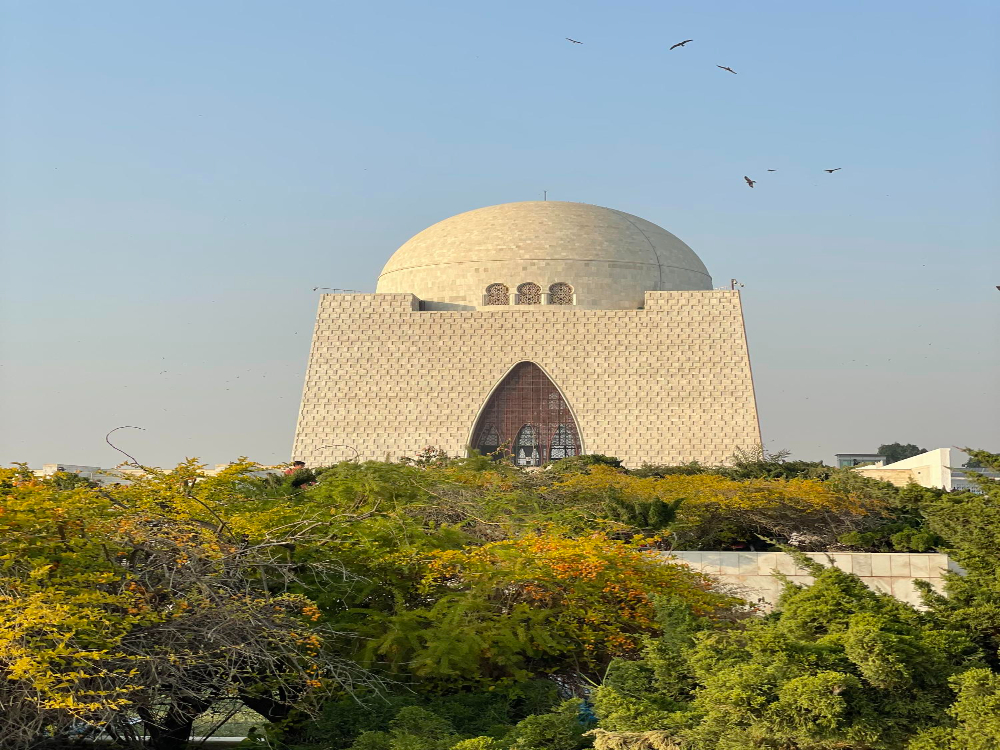
    Karachi, the country’s largest city and economic hub, features a dynamic property market. Areas such as DHA (Defence Housing Authority) and Clifton are known for upscale living, with modern apartments, luxury homes, and proximity to commercial centres. These locations are highly sought after for both residential use and rental income.

    Lahore, known for its cultural heritage and expanding infrastructure, offers a balanced mix of traditional and modern housing. Popular areas include DHA Lahore, Bahria Town, and Gulberg, which provide well-planned communities, wide roads, and access to educational institutions and business districts. Lahore’s growing population continues to drive demand across various property segments.

    Islamabad, the capital city, is recognized for its organized layout and high quality of life. Sectors such as F-6, F-7, and E-11, along with developments like Bahria Town and DHA Islamabad, offer a range of options from apartments to luxury villas. The city’s peaceful environment and strong infrastructure make it particularly attractive to families and professionals.

    Emerging cities such as Rawalpindi, Multan, Faisalabad, and Peshawar are also gaining attention. With ongoing development projects and improving connectivity, these areas present opportunities for investors seeking relatively lower entry prices and long-term growth potential.

    Gwadar, a port city under development as part of major economic initiatives, has attracted interest for its future prospects. While still in early stages, it represents a speculative investment opportunity for those willing to take a long-term view.

    Each region offers unique advantages, allowing buyers to choose based on budget, lifestyle preferences, and investment strategy.

    Apartments, Condominiums, and Landed Properties in Pakistan

    Pakistan’s real estate market provides a diverse selection of property types to suit different needs and financial capacities.

    Apartments and flats are increasingly popular in urban centres, especially in cities like Karachi and Islamabad. These properties offer convenience, lower maintenance requirements, and access to shared amenities such as security services, parking, and recreational facilities. Apartment living is particularly appealing to young professionals and small families.

    Gated housing societies have become a defining feature of the market. These communities offer plots and constructed homes with planned infrastructure, reliable utilities, and enhanced security. Buyers can either purchase ready-built houses or invest in plots to construct homes according to their preferences.

    Independent houses, including single-unit homes and larger villas, are widely available across cities. These properties provide more space, privacy, and flexibility. In premium areas, luxury houses feature modern designs, landscaped gardens, and high-end finishes.

    Commercial properties, including shops, offices, and mixed-use developments, form another important segment. These properties are often located in busy urban areas or within housing societies, offering strong rental income potential due to consistent demand from businesses.

    Agricultural land and farmhouses are also part of the broader property landscape, particularly in areas surrounding major cities. These properties appeal to buyers seeking larger plots, recreational spaces, or long-term land investments.

    The variety of property types ensures that buyers can find suitable options, whether they are looking for affordable housing, mid-range developments, or high-end residences.

    Investment Opportunities in Pakistan

    Pakistan presents a range of investment opportunities for property buyers, supported by a growing population and increasing demand for housing and commercial space.

    One of the key advantages of investing in Pakistan is the relatively lower entry cost compared to more mature international markets. This allows investors to acquire larger properties or multiple units within a reasonable budget. As urbanization continues, property values in key cities have shown upward trends over time.

    Rental income potential is significant, particularly in well-developed areas and near commercial hubs. Properties located in DHA, Bahria Town, and central city locations often attract tenants, including professionals, families, and expatriates. Consistent demand supports steady rental yields.

    Infrastructure development plays a crucial role in enhancing property value. Projects such as new highways, metro systems, and commercial centres contribute to improved connectivity and increased desirability of surrounding areas. Investors often target locations near upcoming developments to benefit from future appreciation.

    Overseas investors, especially Pakistanis living abroad, form a major segment of the market. Many developers offer secure payment plans, online booking options, and transparent documentation to facilitate remote investment.

    However, investors should approach the market with careful research. Verifying property documents, understanding local regulations, and working with reputable developers or agents are essential steps to minimize risk. While the market offers strong potential, due diligence is critical for making informed decisions.

    Overall, Pakistan’s real estate sector provides a mix of affordability, growth potential, and diverse investment options.

    Lifestyle, Connectivity, and Global Appeal

    Pakistan offers a diverse lifestyle shaped by its cultural richness, regional diversity, and evolving urban environments. Major cities provide a combination of modern amenities and traditional living, catering to a wide range of preferences.

    The cost of living in Pakistan is generally lower than in many global cities, making it an attractive option for both residents and investors. Everyday expenses, including food, transportation, and domestic services, are relatively affordable, contributing to a comfortable standard of living.

    Urban centres such as Karachi, Lahore, and Islamabad offer access to educational institutions, healthcare facilities, shopping malls, and entertainment venues. International schools and private hospitals provide quality services, particularly in larger cities.

    Connectivity within and between cities has improved significantly with infrastructure projects such as motorways and public transport systems. Airports in major cities connect Pakistan to international destinations, supporting travel and business activities.

    The country also offers a range of natural landscapes, from coastal areas and plains to mountains and valleys. This diversity enhances its lifestyle appeal, providing opportunities for recreation and tourism.

    Safety and infrastructure standards vary across regions, and buyers often prefer established housing societies that offer better planning and security. These communities provide a more organized and comfortable living environment, especially for families.

    Pakistan’s combination of affordability, cultural depth, and development potential makes it an appealing destination for property buyers seeking both value and opportunity.

    Your Guide to Property in Pakistan

    Asiarealestate.uk is designed to provide UK-based buyers with clear and practical insights into property markets across Asia, including Pakistan. Our aim is to simplify the process of exploring international real estate opportunities and help you make well-informed decisions.

    Whether you are considering an apartment in a major city, a house in a gated community, or a long-term investment in emerging areas, Pakistan offers a wide spectrum of options to match different goals and budgets.

    Understanding local market conditions, legal requirements, and documentation processes is essential when purchasing property in Pakistan. Buyers are encouraged to conduct thorough research, verify ownership records, and seek professional guidance where necessary.

    From established urban centres to rapidly developing regions, Pakistan’s real estate market continues to evolve, offering a blend of affordability, growth potential, and diverse investment opportunities. With the right approach, it can serve as a valuable addition to a long-term property portfolio.

  • Property for Sale in Mongolia

    Property for sale in Mongolia offers a unique opportunity to enter one of Asia’s most emerging and distinctive real estate markets. Known for its vast landscapes, rich natural resources, and rapidly developing urban centres, Mongolia presents a mix of traditional charm and modern growth. From contemporary apartments in the capital city of Ulaanbaatar to expansive land plots and countryside properties, the market caters to a wide range of buyers.

    Whether you are looking for an affordable investment, a long-term land holding, or a residential property in a developing economy, Mongolia is increasingly attracting attention due to its untapped potential, growing infrastructure, and strategic location between major economic powers such as China and Russia.

    Real Estate in Mongolia: Growth and Potential

    Mongolia’s real estate market is still in a developing phase, offering opportunities for early investors seeking long-term value. The country’s economy is heavily influenced by mining, agriculture, and trade, and as these sectors grow, so does demand for residential, commercial, and industrial property.

    The capital city, Ulaanbaatar, serves as the central hub of economic activity. Rapid urbanisation has led to increasing demand for housing, especially modern apartments with improved infrastructure and amenities. As more people migrate from rural areas to urban centres, the need for quality housing continues to rise.

    Unlike more mature markets, Mongolia offers relatively affordable entry points for property buyers. This affordability, combined with economic expansion, makes it appealing for investors who are willing to take a long-term perspective. While the market may experience fluctuations, the overall trajectory is linked to the country’s resource-driven growth and urban development.

    The government has been taking steps to improve infrastructure, encourage foreign investment, and modernise urban planning. These efforts contribute to the gradual strengthening of the real estate sector and increase confidence among international buyers.

    Key Property Areas in Mongolia

    Mongolia offers a variety of locations, each with its own characteristics, investment potential, and lifestyle appeal.

    Ulaanbaatar is the primary real estate hotspot. As the political, economic, and cultural centre of the country, it offers the widest selection of apartments, office spaces, and commercial developments. Areas such as Sukhbaatar District and Khan-Uul District are particularly popular for modern housing and proximity to business centres.

    Darkhan, Mongolia’s second-largest city, is an industrial hub with growing demand for residential and commercial properties. It appeals to investors interested in supporting industrial expansion and workforce housing.

    Erdenet, known for its mining industry, also presents opportunities, especially in housing for workers and professionals associated with mining operations. The stability of the mining sector directly influences property demand in this region.

    Beyond the cities, Mongolia’s vast countryside offers large land parcels at relatively low prices. These areas are ideal for agricultural use, eco-tourism projects, or long-term land investment. Buyers interested in unique opportunities often explore these regions for their natural beauty and future development potential.

    Each location offers different advantages, allowing buyers to align their investment with economic activity, lifestyle preferences, and long-term goals.

    Apartments, Houses, and Land in Mongolia

    Mongolia’s property market includes a diverse range of options, from urban apartments to traditional houses and expansive land holdings.

    Apartments in Ulaanbaatar are the most common type of residential property. These range from older Soviet-era buildings to newly constructed modern developments with improved insulation, heating systems, and amenities. Newer apartments are particularly attractive to professionals and expatriates.

    Standalone houses, including both modern homes and traditional ger-style dwellings, are available in urban and suburban areas. While modern houses offer comfort and contemporary design, traditional housing reflects Mongolia’s cultural heritage and is often found in peri-urban or rural regions.

    Land ownership is a significant aspect of Mongolia’s real estate market. Large plots of land are available at comparatively low prices, making them attractive for agriculture, development projects, or long-term investment. However, regulations around land ownership, particularly for foreign buyers, should be carefully understood before making a purchase.

    Commercial properties, including office spaces, retail units, and warehouses, are also gaining attention as the economy diversifies. Businesses entering the Mongolian market often require modern facilities, creating demand in this segment.

    The variety of property types ensures that buyers can find opportunities suited to different budgets and investment strategies.

    Investment Opportunities in Mongolia

    Mongolia presents a compelling case for investors who are looking beyond established markets and are willing to explore emerging economies.

    One of the key advantages is affordability. Compared to many Asian markets, property prices in Mongolia are significantly lower, allowing investors to acquire larger assets or diversify their portfolios more easily.

    The country’s economy, driven by mining and natural resources, plays a crucial role in shaping real estate demand. As global demand for minerals increases, Mongolia’s economic growth is likely to strengthen, supporting property value appreciation over time.

    Urbanisation is another important factor. As more people move to Ulaanbaatar and other cities in search of employment, demand for housing continues to grow. This trend supports both capital appreciation and rental income potential.

    Infrastructure development is gradually improving connectivity and livability. Investments in roads, public services, and utilities enhance the overall appeal of properties and contribute to long-term value.

    However, investors should also consider potential challenges, including market volatility, regulatory complexities, and dependence on global commodity prices. A well-researched approach and a long-term outlook are essential when investing in Mongolia.

    Lifestyle, Connectivity, and Cultural Appeal

    Mongolia offers a lifestyle that is distinctly different from densely populated urban centres in Asia. It combines modern city living with access to vast open landscapes and natural beauty.

    Ulaanbaatar provides essential amenities, including shopping centres, international schools, healthcare facilities, and a growing range of restaurants and entertainment options. While the city is developing rapidly, it still retains a unique cultural identity shaped by its history and traditions.

    The cost of living in Mongolia is generally lower than in more developed Asian countries, although imported goods and certain services can be relatively expensive. This balance makes it an interesting option for expatriates and long-term residents.

    Mongolia’s connectivity is improving, with international flights linking Ulaanbaatar to major cities in Asia and beyond. Its strategic position between China and Russia enhances its role as a bridge between regions.

    One of the most distinctive aspects of life in Mongolia is access to nature. From expansive степpe landscapes to mountains and deserts, the country offers outdoor experiences that are rare in more urbanised environments. This connection to nature is a significant draw for those seeking a different lifestyle.

    Safety levels are generally acceptable, particularly in central urban areas, although, like any developing country, certain precautions are advisable.

    Your Guide to Property in Mongolia

    Asiarealestate.uk is designed to provide UK-based buyers with clear and practical insights into property markets across Asia, including Mongolia. Our goal is to simplify the process of exploring international real estate and help you identify opportunities that align with your objectives.

    Whether you are considering an apartment in Ulaanbaatar, a commercial property in a growing industrial city, or a large land investment in the countryside, Mongolia offers a range of possibilities for different types of buyers.

    Understanding the local market, legal framework, and economic drivers is essential before making any investment. Working with local experts, conducting thorough due diligence, and taking a long-term perspective can help mitigate risks and maximise returns.

    From urban developments to vast open land opportunities, Mongolia’s property market reflects a country in transition. For those willing to explore beyond traditional markets, it offers a combination of affordability, growth potential, and a unique investment landscape.

  • Property for Sale in Cambodia

    Property for sale in Cambodia offers a gateway into one of Southeast Asia’s most emerging and dynamic real estate markets. Known for its rich cultural heritage, expanding urban centers, and growing tourism industry, Cambodia provides a wide range of property options, from modern city apartments to beachfront villas and land development opportunities.

    Whether you are seeking an affordable lifestyle residence, a high-yield investment, or a long-term stake in a rapidly developing economy, Cambodia continues to attract international buyers due to its competitive pricing, relaxed ownership structures in certain segments, and strong growth potential.

    Real Estate in Cambodia: Growth and Opportunity

    Cambodia stands out as one of the fastest-growing property markets in Southeast Asia, supported by steady economic expansion, increasing foreign investment, and ongoing infrastructure development. The country offers a compelling mix of affordability and opportunity, making it attractive for both investors and homeowners.

    The real estate market in Cambodia is driven by urbanization and tourism. Cities such as Phnom Penh and Siem Reap have seen significant development in recent years, with new residential projects, commercial hubs, and hospitality investments shaping the landscape. The influx of expatriates, entrepreneurs, and international businesses has further strengthened demand for modern housing and office spaces.

    Cambodia’s property sector includes condominiums, serviced apartments, landed homes, and large tracts of land for development. Construction standards and quality have improved steadily, particularly in projects backed by international developers. Many developments now feature modern amenities, including swimming pools, fitness centers, and security systems.

    Foreign buyers are drawn to Cambodia due to relatively accessible property ownership laws for strata-titled condominiums. While direct land ownership is restricted for non-citizens, alternative structures such as long-term leases and company ownership provide viable pathways for investment.

    Key Property Areas in Cambodia

    Cambodia offers a variety of locations, each with distinct characteristics, lifestyle appeal, and investment potential.

    Phnom Penh, the capital city, represents the center of economic and real estate activity. Areas such as BKK1, Tonle Bassac, and the Riverside district are popular for their modern developments, international restaurants, and proximity to business hubs. Properties here are in high demand among expatriates and professionals, making them ideal for rental investment.

    Siem Reap, known for its proximity to Angkor Wat, is a major tourism destination. The property market here focuses on boutique residences, serviced apartments, and hospitality-related investments. It appeals to buyers looking for lifestyle properties or tourism-driven income.

    Sihanoukville is Cambodia’s primary coastal city and has undergone rapid transformation in recent years. With its beaches and proximity to islands, it offers opportunities for resort-style living and commercial investments. Development has been influenced by foreign capital, leading to a mix of high-rise projects and hospitality ventures.

    Koh Rong and other nearby islands provide a more exclusive and natural setting. These areas are ideal for buyers interested in eco-tourism, private villas, or long-term land investments. While infrastructure is still developing, the potential for appreciation is significant.

    Emerging suburban areas around Phnom Penh are also gaining attention due to expanding infrastructure and more affordable land prices. These regions offer opportunities for residential developments and long-term investment growth.

    Apartments, Condominiums, and Landed Properties in Cambodia

    Cambodia’s property market offers a diverse range of residential options suited to different budgets and preferences.

    Condominiums are the most accessible option for foreign buyers. These properties are typically sold under strata titles, allowing foreigners to own units above the ground floor. Modern condominium developments often include facilities such as swimming pools, gyms, parking, and 24-hour security. They are especially popular in Phnom Penh and Sihanoukville.

    Serviced apartments are another common choice, particularly among expatriates. These properties offer fully furnished units with hotel-style amenities, making them suitable for both short-term stays and rental income.

    Landed properties, including villas and traditional houses, provide more space and privacy. These homes are often found in suburban or rural areas and can range from modest residences to luxury estates. While foreigners cannot directly own land, these properties can still be accessed through legal structures such as long-term leases or local partnerships.

    Land investment is a significant part of Cambodia’s real estate market. Buyers often invest in undeveloped land for future residential, commercial, or agricultural use. With increasing infrastructure development, land values in strategic locations have shown strong growth potential.

    The wide variety of property types allows buyers to select options that align with their lifestyle needs and investment strategies.

    Investment Opportunities in Cambodia

    Cambodia presents attractive investment opportunities due to its relatively low entry costs and high growth potential compared to more mature markets in Asia.

    One of the key advantages is affordability. Property prices in Cambodia remain significantly lower than in neighboring countries, allowing investors to enter the market with smaller capital while still accessing prime locations. This affordability also contributes to higher rental yields in certain segments.

    Rental income potential is particularly strong in urban and tourist areas. Phnom Penh’s growing expatriate population drives demand for quality rental housing, while Siem Reap benefits from tourism-related accommodation needs. Well-located condominiums and serviced apartments can generate consistent returns.

    Infrastructure development plays a crucial role in enhancing property values. Improvements in roads, airports, and public utilities are making previously less accessible areas more attractive for investment. These developments are expected to support long-term appreciation.

    Cambodia’s open economic policies and foreign investment incentives further strengthen its appeal. The government continues to encourage development in key sectors, including real estate, tourism, and manufacturing.

    However, investors should conduct careful due diligence. Understanding legal structures, verifying property titles, and working with reputable developers are essential steps to ensure a secure investment.

    Lifestyle, Connectivity, and Cultural Appeal

    Cambodia offers a unique lifestyle that blends tradition with modern convenience. The country is known for its warm climate, friendly communities, and rich cultural heritage.

    The cost of living is relatively low compared to many other Asian countries, making it an attractive destination for retirees, digital nomads, and long-term residents. Everyday expenses such as food, transportation, and services are affordable, allowing for a comfortable lifestyle.

    Cambodia’s culture is deeply rooted in history, with landmarks such as Angkor Wat drawing global attention. The country’s traditions, festivals, and cuisine add to its overall appeal as a place to live and invest.

    Connectivity has improved significantly in recent years. International airports in Phnom Penh and Siem Reap provide access to major cities across Asia. Ongoing infrastructure projects continue to enhance mobility within the country.

    The lifestyle in Cambodia can vary depending on location. Urban areas offer modern amenities, international schools, and healthcare facilities, while coastal and rural regions provide a more relaxed and nature-oriented environment.

    Safety and stability have improved over time, contributing to increased confidence among foreign buyers. While challenges remain, the overall trajectory of development is positive.

    Your Guide to Property in Cambodia

    Asiarealestate.uk is designed to provide UK-based buyers with clear and practical insights into property markets across Asia, including Cambodia. Our goal is to simplify the process of exploring international real estate and help you identify opportunities that align with your objectives.

    Whether you are considering a modern condominium in Phnom Penh, a boutique property in Siem Reap, or a beachfront investment in Sihanoukville, Cambodia offers a wide range of options to suit different preferences and budgets.

    Understanding the local market dynamics, legal frameworks, and investment structures is essential when purchasing property in Cambodia. With the right research and professional guidance, buyers can navigate the market effectively and make informed decisions.

    From emerging urban developments to untapped coastal opportunities, Cambodia continues to attract global interest, offering a combination of affordability, growth potential, and cultural richness that makes it a compelling destination for property investment.

  • Property for Sale in Vietnam

    Property for sale in Vietnam offers a compelling entry into one of Southeast Asia’s fastest-growing and increasingly dynamic real estate markets. Known for its vibrant cities, scenic coastline, and rapidly expanding economy, Vietnam presents a diverse range of property opportunities, from modern urban apartments to beachfront villas and integrated resort developments.

    Whether you are seeking an affordable entry point into international property, a high-growth investment opportunity, or a lifestyle residence in an emerging destination, Vietnam continues to attract global buyers due to its economic momentum, improving infrastructure, and expanding tourism sector.

    Real Estate in Vietnam: Growth and Potential

    Vietnam stands out as one of Asia’s most promising real estate markets, driven by strong economic growth, urbanization, and a young, expanding population. Over the past decade, the country has experienced significant transformation, with major cities evolving into modern urban centres supported by improved infrastructure and foreign investment.

    The real estate market in Vietnam is closely tied to its economic development. As industries expand and incomes rise, demand for residential, commercial, and hospitality properties continues to grow. Cities such as Ho Chi Minh City and Hanoi serve as key economic hubs, attracting both local professionals and international businesses.

    Vietnam’s property sector includes a mix of high-rise apartments, landed homes, serviced residences, and resort-style developments. Developers are increasingly focusing on quality construction, modern amenities, and integrated communities, aligning with international standards and buyer expectations.

    Foreign ownership regulations have become more favorable in recent years, allowing international buyers to purchase certain types of residential property under defined conditions. This has opened the market to a broader audience, increasing transparency and boosting investor confidence.

    Key Property Areas in Vietnam

    Vietnam offers a wide variety of locations, each with distinct characteristics, investment appeal, and lifestyle advantages.

    Ho Chi Minh City is the country’s largest economic centre and a major driver of real estate demand. District 1 and District 3 represent prime central areas, offering luxury apartments and proximity to business hubs. District 2, particularly Thao Dien, has become popular among expatriates due to its modern developments, international schools, and lifestyle amenities.

    Hanoi, the capital city, combines historical charm with modern growth. Areas such as Ba Dinh and Hoan Kiem are known for their cultural significance and central location, while newer districts like Tay Ho and Cau Giay offer contemporary residential developments and growing infrastructure.

    Da Nang has emerged as one of Vietnam’s most attractive coastal cities. Known for its clean environment, beaches, and relaxed lifestyle, it offers a mix of apartments, villas, and resort properties. Its growing popularity among tourists and expatriates contributes to strong rental potential.

    Nha Trang is another coastal destination with a well-established tourism industry. It features beachfront condominiums and resort-style developments that appeal to investors seeking holiday rental income.

    Phu Quoc, an island destination, represents a rapidly growing market focused on luxury tourism and resort real estate. With ongoing infrastructure projects and government support, it has gained attention as a high-growth investment location.

    Each of these areas offers unique opportunities, allowing buyers to choose based on investment goals, lifestyle preferences, and budget considerations.

    Apartments, Condominiums, and Villas in Vietnam

    Vietnam’s real estate market offers a diverse selection of property types designed to meet varying needs and price points.

    Apartments and condominiums are the most widely available options, particularly in urban areas. These developments often include modern facilities such as security, parking, fitness centres, and communal spaces. High-rise living is especially popular in major cities, offering convenience and accessibility.

    Serviced apartments cater to expatriates and short-term residents, providing fully furnished units with hotel-like amenities. These properties are often located in central districts and generate consistent rental demand.

    Townhouses and landed homes are common in both urban and suburban areas. These properties offer more space and are often used for both residential and commercial purposes. However, ownership structures may vary depending on location and regulations.

    Beachfront villas and resort properties represent the premium segment of the market. Located in destinations such as Da Nang, Nha Trang, and Phu Quoc, these properties offer scenic views, privacy, and access to resort facilities. They are particularly attractive for lifestyle buyers and investors targeting the tourism sector.

    The variety of property types ensures that buyers can find options that align with their financial goals, whether they are looking for a city-based apartment or a luxury coastal retreat.

    Investment Opportunities in Vietnam

    Vietnam continues to gain recognition as a high-potential destination for property investment, supported by its economic growth, demographic trends, and increasing international integration.

    One of the key advantages of investing in Vietnam is the relatively affordable entry price compared to more established Asian markets. This allows investors to access high-growth potential at a lower initial cost, making it appealing for both first-time international buyers and experienced investors.

    Rental yields in Vietnam can be attractive, particularly in urban centres and tourist destinations. The demand for rental properties is driven by a growing middle class, expatriate communities, and a strong tourism industry. Short-term rental opportunities in coastal cities further enhance income potential.

    Infrastructure development plays a crucial role in boosting property values. Investments in transportation, including highways, airports, and metro systems, are improving connectivity and increasing the attractiveness of emerging areas.

    The government has implemented policies to support foreign investment while maintaining market stability. However, investors should understand ownership limits, leasehold structures, and legal requirements before making a purchase.

    While the market offers strong growth prospects, it is important to approach investment with careful research and due diligence. Understanding local dynamics and working with experienced professionals can help mitigate risks and maximize returns.

    Lifestyle, Culture, and Connectivity

    Vietnam offers a unique lifestyle that blends cultural richness with modern convenience. The country is known for its diverse landscapes, from bustling cities and historical towns to beaches and mountain regions.

    The cost of living in Vietnam is relatively low compared to many other Asian countries, making it an attractive destination for both retirees and expatriates. Residents can enjoy a comfortable lifestyle with access to quality dining, entertainment, and services at affordable prices.

    Vietnam’s culture is deeply rooted in tradition, with a strong emphasis on community, cuisine, and heritage. At the same time, major cities offer modern amenities, international schools, and healthcare facilities, creating a balanced living environment.

    Connectivity is continuously improving, with international airports in key cities providing access to global destinations. Domestic travel is also convenient, allowing residents to explore different regions of the country with ease.

    Safety and hospitality contribute to Vietnam’s appeal. The country is known for its welcoming atmosphere and relatively low cost of day-to-day living, making it suitable for long-term stays and relocation.

    The combination of affordability, cultural richness, and economic growth makes Vietnam an increasingly attractive choice for property buyers seeking both lifestyle and investment benefits.

    Your Guide to Property in Vietnam

    Asiarealestate.uk is designed to provide UK-based buyers with clear and practical insights into property markets across Asia, including Vietnam. Our goal is to simplify the process of exploring international real estate and help you identify opportunities that align with your objectives.

    Whether you are considering a modern apartment in a major city, a coastal villa with rental potential, or a property in an emerging development zone, Vietnam offers a wide range of options suited to different strategies and budgets.

    Understanding the local legal framework, ownership regulations, and market conditions is essential when purchasing property in Vietnam. With the right guidance and preparation, buyers can navigate the process confidently and make well-informed decisions.

    From rapidly growing urban centres to scenic coastal destinations, Vietnam continues to attract global attention as a market with strong potential, offering a unique blend of affordability, growth, and long-term opportunity.

  • Property for Sale in Nepal

    Property for sale in Nepal offers a unique opportunity to enter an emerging real estate market set against one of the most breathtaking natural landscapes in the world. Known for its Himalayan views, cultural richness, and steadily developing urban centres, Nepal provides a diverse range of property options, from modern city apartments to traditional homes and expansive land parcels.

    Whether you are looking for a peaceful residential retreat, a long-term investment, or a property in a culturally vibrant and naturally beautiful country, Nepal continues to attract both local and international buyers. Its growing infrastructure, improving connectivity, and increasing interest in tourism and development contribute to the rising appeal of Nepal’s property market.

    Real Estate in Nepal: Growth and Potential

    Nepal’s real estate market is gradually evolving, supported by urban expansion, population growth, and increasing demand for housing and commercial spaces. While the market is still developing compared to more mature Asian economies, it offers strong potential for long-term appreciation and diversification.

    The country’s economic structure is driven by sectors such as tourism, agriculture, remittances, and small-scale industries. As cities expand and infrastructure improves, the demand for residential and commercial properties continues to grow, particularly in urban centres.

    Real estate in Nepal includes a mix of standalone houses, apartments, land plots, and commercial properties. In cities like Kathmandu and Pokhara, modern residential developments with improved amenities are becoming more common, reflecting a shift toward urban lifestyles.

    Government regulations play a role in shaping the market, particularly when it comes to land ownership and foreign investment. While foreign ownership of land is generally restricted, there are opportunities through joint ventures, long-term leasing, and investment in development projects.

    Despite certain limitations, Nepal’s real estate market remains attractive for those seeking affordability, natural surroundings, and long-term growth potential.

    Key Property Areas in Nepal

    Nepal offers a range of locations, each with distinct characteristics, lifestyle advantages, and investment opportunities.

    Kathmandu Valley is the primary real estate hub, encompassing Kathmandu, Lalitpur, and Bhaktapur. As the political, economic, and cultural centre of the country, this region offers the highest concentration of residential and commercial properties. Areas such as Lazimpat, Boudha, and Jhamsikhel are popular for their accessibility, amenities, and vibrant communities.

    Pokhara is another key location, known for its scenic beauty and relaxed lifestyle. Situated near the Annapurna mountain range and Phewa Lake, Pokhara attracts both domestic and international buyers seeking holiday homes, retirement properties, and tourism-related investments. The city’s growing infrastructure and tourism industry make it an appealing option.

    Chitwan offers opportunities for those interested in eco-tourism and nature-based living. With its national parks and wildlife reserves, the area is suitable for resort development and hospitality investments.

    Emerging urban areas such as Butwal, Biratnagar, and Dharan are gaining attention due to increasing industrial activity and improved connectivity. These cities offer relatively lower property prices and potential for future growth.

    Each region presents different opportunities depending on whether the focus is on lifestyle, investment, or development.

    Apartments, Houses, and Land in Nepal

    Nepal’s property market provides a wide range of options to suit different preferences and budgets.

    Apartments are becoming increasingly popular in urban areas, particularly in Kathmandu. These developments often include basic modern amenities such as security, parking, and shared facilities. While not as extensive as those in more developed markets, apartment living is growing due to convenience and space efficiency.

    Standalone houses are the most common type of residential property in Nepal. These homes vary from traditional designs to modern constructions and are often built on individually owned land. They offer privacy, flexibility, and the opportunity for customization.

    Land ownership is a significant aspect of real estate in Nepal. Many buyers prefer purchasing land for future construction or investment purposes. Plots are available in both urban and semi-urban areas, with pricing depending on location, accessibility, and infrastructure.

    Commercial properties, including shops, office spaces, and hotels, are also gaining traction, particularly in tourist areas and growing cities. These properties offer opportunities for business development and rental income.

    The variety of property types ensures that buyers can find suitable options, whether they are looking for a city apartment, a family home, or land for future development.

    Investment Opportunities in Nepal

    Nepal presents an emerging investment landscape with opportunities driven by tourism, urbanization, and infrastructure development.

    One of the main advantages of investing in Nepal is affordability. Compared to many other Asian markets, property prices remain relatively low, allowing investors to enter the market with lower capital requirements.

    Tourism plays a major role in shaping real estate demand. With Nepal being home to the Himalayas, trekking routes, and cultural heritage sites, there is consistent demand for hotels, guesthouses, and short-term rental properties. Locations like Pokhara and Kathmandu are particularly attractive for such investments.

    Urban expansion is another key factor. As cities grow and infrastructure improves, land values in and around urban areas are expected to rise. Early investment in developing regions can offer significant long-term returns.

    Rental income potential exists in major cities, especially in areas with high demand from students, professionals, and expatriates. While rental yields may vary, consistent occupancy in prime locations can provide steady income.

    Investors should be aware of regulatory considerations, including restrictions on foreign ownership and the importance of due diligence in property transactions. Working with local experts and understanding legal requirements is essential for a smooth investment process.

    Overall, Nepal offers a promising environment for investors willing to take a long-term perspective.

    Lifestyle, Connectivity, and Natural Appeal

    Nepal offers a lifestyle that blends simplicity, cultural richness, and natural beauty. The country is known for its welcoming communities, traditional values, and diverse cultural heritage.

    The cost of living in Nepal is relatively low compared to many other countries, making it an attractive destination for retirees, remote workers, and those seeking a more affordable lifestyle. Daily expenses, housing, and services are generally budget-friendly, particularly outside major cities.

    Healthcare and education facilities are improving, especially in urban centres. International schools and private hospitals are available in cities like Kathmandu, providing better access to quality services.

    Connectivity is gradually improving, with ongoing infrastructure projects aimed at enhancing road networks, airports, and urban development. Tribhuvan International Airport serves as the main gateway, connecting Nepal to major international destinations.

    One of Nepal’s strongest appeals is its natural environment. From the Himalayas to lush valleys and rivers, the country offers unparalleled scenic beauty. Outdoor activities such as trekking, hiking, and wildlife exploration contribute to a unique and active lifestyle.

    While infrastructure and services may not match those of more developed markets, the overall lifestyle experience in Nepal is defined by its authenticity, tranquility, and connection to nature.

    Your Guide to Property in Nepal

    Asiarealestate.uk is designed to provide UK-based buyers with clear and practical insights into property markets across Asia, including Nepal. Our aim is to simplify the process of exploring international real estate and help you identify opportunities that align with your goals.

    Whether you are considering a home in Kathmandu, a lakeside property in Pokhara, or land for future development, Nepal offers a range of options suited to different preferences and investment strategies.

    Understanding the local market, legal framework, and financial considerations is essential when purchasing property in Nepal. Due diligence, local guidance, and careful planning can help buyers navigate the process with confidence.

    From culturally rich urban centres to peaceful natural surroundings, Nepal presents a distinctive real estate opportunity. Its combination of affordability, growth potential, and unique lifestyle appeal makes it an increasingly interesting choice for property buyers seeking something different in Asia.

  • Property for Sale in Afghanistan

    Property for sale in Afghanistan presents a unique opportunity to explore a real estate market that is shaped by history, resilience, and evolving development. While Afghanistan is not traditionally viewed as a mainstream international property destination, it offers a range of opportunities for those seeking long-term potential, affordable land, or strategic investments in key urban centers.

    From residential homes in major cities to land parcels and commercial spaces, the Afghan property market reflects both traditional living patterns and gradual modernization. Buyers who approach the market with careful research and local understanding may find opportunities that align with long-term growth and development prospects.

    Real Estate in Afghanistan: Emerging Potential and Local Dynamics

    Afghanistan’s real estate market operates within a distinct framework influenced by local customs, economic conditions, and ongoing development efforts. Unlike more mature global markets, Afghanistan’s property sector is still developing, with significant variations across regions and cities.

    Major urban centers such as Kabul, Herat, and Mazar-i-Sharif serve as the primary hubs for real estate activity. These cities have relatively higher demand for residential and commercial properties due to population density, business activity, and access to infrastructure. In these areas, property values tend to be more stable compared to rural regions.

    The market is largely driven by domestic demand, with local buyers, returning expatriates, and business owners playing a key role. Construction activity has increased in certain urban pockets, leading to the development of modern housing units, apartment complexes, and commercial buildings.

    However, the real estate environment in Afghanistan requires careful navigation. Legal frameworks for property ownership can vary, and documentation processes may differ depending on location. Buyers often rely on local expertise and verification to ensure secure transactions.

    Despite these challenges, Afghanistan’s real estate sector holds potential for gradual growth. As infrastructure improves and urbanization continues, demand for quality housing and commercial space is expected to increase over time.

    Key Property Areas in Afghanistan

    Afghanistan offers a variety of locations for property investment, each with its own characteristics, opportunities, and considerations.

    Kabul, the capital city, is the most active real estate market in the country. It offers a mix of residential homes, apartments, and commercial properties. Areas within Kabul vary significantly, with some neighborhoods featuring modern developments and others reflecting traditional housing styles. Demand is driven by government offices, businesses, and a growing population.

    Herat, located in the western part of the country, is known for its cultural heritage and trade connections. The city has a relatively stable property market with demand for both residential and commercial spaces. Its proximity to international trade routes adds to its appeal for business-related investments.

    Mazar-i-Sharif, in the north, is another important urban center with growing real estate activity. The city has seen development in residential housing and commercial infrastructure, making it an attractive option for local investors and businesses.

    Kandahar, one of Afghanistan’s historical cities, also offers property opportunities, particularly in residential housing and land investments. While the market may be less developed compared to Kabul, it holds potential for future growth.

    In addition to these cities, smaller towns and rural areas offer land at significantly lower prices. These regions may appeal to buyers looking for agricultural land or long-term investment opportunities, although infrastructure and accessibility can be limited.

    Each location requires a tailored approach, considering factors such as security, infrastructure, and local market conditions.

    Apartments, Houses, and Land in Afghanistan

    Afghanistan’s property market includes a range of options that reflect both traditional and modern living preferences.

    Standalone houses are the most common type of residential property. These homes often feature courtyards, multiple rooms, and designs suited to extended family living. In urban areas, newer houses may include modern layouts and improved construction standards.

    Apartments are becoming more common in cities like Kabul, where land availability is limited and demand for compact housing is increasing. Apartment buildings may offer basic amenities, while some newer developments include features such as security and parking.

    Land is one of the most widely available and sought-after property types in Afghanistan. Buyers often invest in land for residential construction, agriculture, or long-term appreciation. Land prices vary significantly depending on location, accessibility, and proximity to urban centers.

    Commercial properties, including shops, office spaces, and warehouses, are primarily concentrated in city centers and business districts. These properties are often used by local businesses and entrepreneurs, contributing to economic activity.

    The diversity of property types allows buyers to choose based on their needs, whether it is a family home, an investment property, or land for development.

    Investment Opportunities in Afghanistan

    Afghanistan presents a different kind of investment landscape compared to more established markets. While it carries higher risks, it also offers opportunities for those with a long-term perspective and a strong understanding of local conditions.

    One of the key advantages is affordability. Property prices in Afghanistan are generally lower than in many other countries, making it possible to acquire land or housing at relatively modest costs. This can be appealing for investors looking to enter the market with limited capital.

    Urban growth is another factor to consider. Cities like Kabul are expanding, with increasing demand for housing and commercial space. As infrastructure develops and population grows, property values in key areas may appreciate over time.

    Rental income potential exists בעיקר in urban centers, where demand for housing is driven by professionals, businesses, and returning residents. However, rental yields can vary widely depending on location and property quality.

    Investors should also consider the importance of due diligence. Verifying property ownership, ensuring proper documentation, and understanding local regulations are essential steps in minimizing risk.

    While Afghanistan may not offer the same level of stability as more developed markets, it provides opportunities for those willing to navigate its complexities and invest with caution.

    Lifestyle, Infrastructure, and Living Conditions

    Living in Afghanistan offers a distinct experience shaped by cultural traditions, community values, and evolving urban environments.

    In major cities, residents have access to basic infrastructure, including markets, schools, and healthcare facilities. However, the quality and availability of services can vary depending on the area. Urban centers generally offer better access to amenities compared to rural regions.

    Transportation within cities is often based on road networks, with public transport options available in some areas. Infrastructure development is ongoing, with efforts to improve connectivity and accessibility.

    The cost of living in Afghanistan is relatively low compared to many other countries. Everyday expenses such as food and local services are affordable, although imported goods can be more expensive.

    Community and family play a central role in Afghan life. Residential properties are often designed to accommodate extended families, reflecting the importance of social connections and shared living.

    Safety and stability can vary by region, and it is important for residents and investors to stay informed about local conditions. Understanding the environment and working with trusted local contacts can help ensure a more secure experience.

    Your Guide to Property in Afghanistan

    Asiarealestate.uk is designed to provide UK-based buyers with clear and practical insights into property markets across Asia, including Afghanistan. Our aim is to simplify the process of exploring international real estate opportunities, even in emerging and less conventional markets.

    Afghanistan’s property sector requires a thoughtful and informed approach. Buyers should take time to understand local practices, verify legal requirements, and seek reliable guidance when navigating transactions.

    Whether you are considering a residential property in Kabul, land for development in a growing city, or a long-term investment opportunity, Afghanistan offers a range of options that reflect its evolving market.

    Careful planning, local knowledge, and a long-term perspective are essential when investing in Afghanistan. While the market may present challenges, it also holds potential for those who are prepared to engage with it responsibly.

    As development continues and urban centers expand, Afghanistan’s real estate market may gradually open new opportunities for both local and international buyers. With the right approach, it is possible to explore this market with confidence and identify opportunities that align with your goals.