Author: Dee Kapoor

  • Property for Sale in Jordan

    Property for sale in Jordan offers a compelling opportunity to enter a growing and strategically located real estate market in the Middle East. Known for its rich history, cultural heritage, and political stability within the region, Jordan provides a wide range of property options, from modern city apartments in Amman to luxury villas, resort-style homes, and investment properties in coastal and tourist destinations.

    Whether you are looking for a comfortable residence, a vacation home, or a long-term investment in an emerging market, Jordan continues to attract international buyers due to its affordability, welcoming environment, and increasing demand for quality real estate.

    Real Estate in Jordan: Growth and Opportunity

    Jordan’s real estate market has steadily developed over the years, supported by urban expansion, infrastructure improvements, and a growing population. The country offers a unique mix of traditional charm and modern development, making it appealing to both local buyers and international investors.

    The capital city, Amman, plays a central role in the real estate sector. As the economic and cultural hub of the country, it attracts professionals, expatriates, and businesses, driving demand for residential and commercial properties. At the same time, other regions such as Aqaba and the Dead Sea are gaining popularity due to tourism and resort-style living.

    Jordan’s property market is characterized by relatively affordable prices compared to many global markets, offering good value for buyers. The government has taken steps to encourage investment, including regulations that allow foreign ownership in certain areas, making it easier for international buyers to enter the market.

    The real estate sector includes apartments, villas, gated communities, and mixed-use developments. Construction standards have improved significantly in recent years, with many new projects offering modern designs, amenities, and better infrastructure.

    Foreign buyers are increasingly considering Jordan due to its stable political environment, strategic location in the Middle East, and potential for long-term growth. While the market is still developing compared to more mature global markets, it presents opportunities for both capital appreciation and rental income.
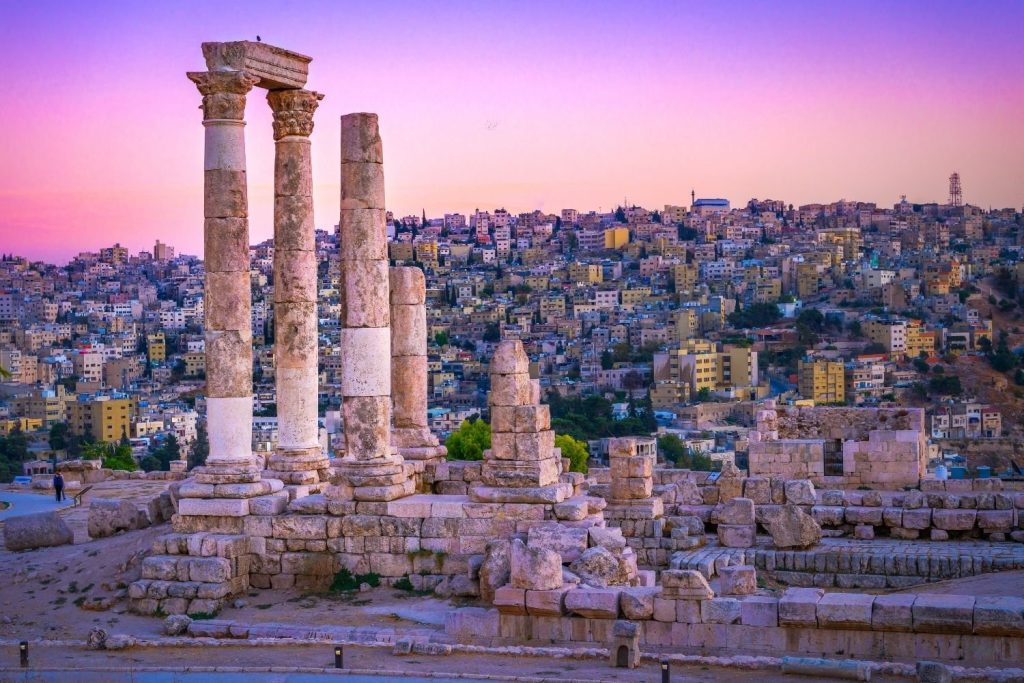
    Key Property Areas in Jordan

    Jordan offers a variety of locations, each with its own lifestyle appeal and investment potential.

    Amman is the primary real estate hub, offering a wide range of properties across different price points. Areas such as Abdoun, Sweifieh, and Dabouq are known for their upscale residential developments, featuring luxury apartments, villas, and modern facilities. These neighborhoods are popular among expatriates, professionals, and high-income residents seeking comfort and convenience.

    Aqaba, located on the Red Sea, is a growing hotspot for real estate investment. Known for its coastal lifestyle, warm climate, and tourism appeal, Aqaba offers beachfront apartments, resort properties, and villas. The city is part of a special economic zone, which provides incentives for investors and contributes to its growing popularity.

    The Dead Sea region is another unique location, offering properties with stunning natural surroundings and wellness-focused living. Developments in this area often include resort-style amenities and attract buyers looking for vacation homes or hospitality investments.

    Other cities such as Irbid and Zarqa provide more affordable housing options and are popular among local residents. These areas are gradually developing, with increasing infrastructure and connectivity, making them suitable for long-term investment.

    Each location in Jordan offers different advantages, allowing buyers to choose based on their budget, lifestyle preferences, and investment goals.

    Apartments, Villas, and Residential Options in Jordan

    Jordan’s property market offers a diverse range of residential options designed to meet different needs and budgets.

    Apartments are the most common type of property, especially in urban areas like Amman. These range from compact units to spacious, high-end apartments with modern amenities. Many developments include features such as parking, security, and shared facilities, making them attractive for both residents and investors.

    Villas are popular among families and buyers seeking more space and privacy. These properties are often located in upscale neighborhoods and gated communities, offering larger living areas, gardens, and sometimes private pools. Villas in areas like Abdoun and Dabouq are considered premium properties.

    Gated communities and modern residential complexes are becoming increasingly popular in Jordan. These developments offer a secure environment, landscaped surroundings, and access to amenities such as gyms, swimming pools, and recreational areas. They appeal to both local buyers and expatriates looking for a comfortable lifestyle.

    Townhouses and duplex homes are also available, providing a balance between apartment living and standalone villas. These options are often more affordable than villas while still offering additional space and privacy.

    The variety of property types ensures that buyers can find suitable options, whether they are looking for a city apartment, a family home, or a luxury residence.

    Investment Opportunities in Jordan

    Jordan presents attractive investment opportunities for buyers looking to enter an emerging real estate market with growth potential.

    One of the key advantages of investing in Jordan is affordability. Property prices are relatively lower compared to many international markets, allowing investors to acquire real estate at competitive rates. This lower entry point makes it easier to diversify investments and explore different property types.

    Rental demand is supported by a growing population, urbanization, and the presence of expatriates and international organizations. In cities like Amman, well-located properties can generate steady rental income, particularly in areas close to business districts, universities, and commercial centers.

    Tourism also plays a significant role in the real estate market. Locations such as Aqaba and the Dead Sea attract visitors year-round, creating opportunities for short-term rental properties and hospitality investments. Vacation homes and serviced apartments in these areas can offer strong returns during peak seasons.

    Infrastructure development is another factor driving the market. Improvements in roads, public services, and urban planning are enhancing the overall value of properties and making different regions more accessible.

    While the market is still evolving, this can be an advantage for investors seeking early opportunities. As development continues and demand increases, property values have the potential to appreciate over time.

    However, it is important for investors to understand local regulations, ownership laws, and transaction processes. Working with reliable professionals and conducting thorough research can help ensure a smooth and secure investment experience.

    Lifestyle, Culture, and Living Experience

    Jordan offers a unique lifestyle that blends modern living with deep cultural heritage. The country is known for its hospitality, making it welcoming for both residents and international buyers.

    The cost of living in Jordan is generally lower than in many Western countries, which adds to its appeal. Daily expenses, including food, transportation, and services, are relatively affordable, allowing residents to maintain a comfortable lifestyle.

    Healthcare and education facilities in major cities are well-developed, with access to international schools and quality medical services. This makes Jordan a suitable option for families as well as individuals relocating for work or investment purposes.

    The country’s rich history and natural beauty provide a distinctive living experience. From ancient archaeological sites such as Petra to the unique landscapes of the Dead Sea and Wadi Rum, Jordan offers a variety of recreational and cultural activities.

    Connectivity is another advantage. Jordan is well-connected to major cities in the Middle East and beyond, with an international airport in Amman providing convenient travel options.

    Safety and stability are important factors that contribute to Jordan’s appeal. Despite being located in a complex region, Jordan is considered one of the more stable and secure countries in the Middle East, which reassures investors and residents alike.

    The combination of affordability, cultural richness, and improving infrastructure makes Jordan an increasingly attractive destination for property buyers.

    Your Guide to Property in Jordan

    Asiarealestate.uk is designed to provide UK-based buyers with clear and practical insights into property markets across Asia and the Middle East, including Jordan. Our goal is to simplify the process of exploring international real estate and help you identify opportunities that align with your objectives.

    Whether you are considering a modern apartment in Amman, a beachfront property in Aqaba, or a resort-style home near the Dead Sea, Jordan offers a wide range of options to suit different preferences and investment strategies.

    Understanding the local market, legal framework, and financial considerations is essential when purchasing property in Jordan. With the right approach and proper guidance, buyers can confidently navigate the process and make informed decisions.

    From developing urban centers to scenic coastal and tourist destinations, Jordan continues to gain attention as a promising real estate market. Its blend of affordability, growth potential, and lifestyle appeal makes it a strong contender for both residential buyers and investors looking for new opportunities.

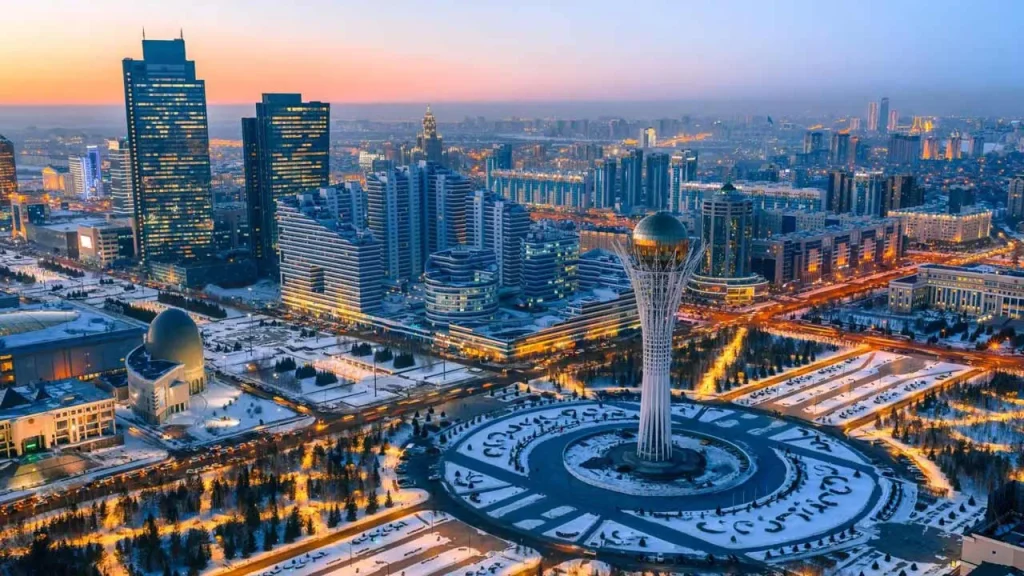
  • Property for Sale in Kazakhstan

    Property for sale in Kazakhstan offers access to one of Central Asia’s most dynamic and evolving real estate markets. Known for its vast landscapes, resource-driven economy, and growing urban centres, Kazakhstan presents a wide spectrum of property opportunities, from modern city apartments to spacious suburban homes and commercial developments.

    Whether you are looking for a residence in a rapidly developing city, a long-term investment in an emerging market, or a property aligned with economic growth corridors, Kazakhstan is gaining attention among international buyers for its affordability, expansion potential, and improving infrastructure.

    Real Estate in Kazakhstan: Growth and Opportunity

    Kazakhstan’s real estate market is shaped by its economic transformation and ongoing urban development. As the largest economy in Central Asia, the country benefits from natural resources, strategic trade positioning, and increasing foreign investment. These factors contribute to a steadily evolving property sector with both residential and commercial potential.

    Major cities such as Almaty and Astana (Nur-Sultan) serve as economic and cultural hubs, driving demand for housing and office spaces. Urbanization continues to influence the market, with more people relocating to cities for employment, education, and improved living standards.

    The government has introduced initiatives to support housing development and infrastructure expansion. These efforts aim to modernize cities, improve accessibility, and create sustainable communities. As a result, new residential complexes, mixed-use developments, and commercial centres are emerging across key regions.

    Kazakhstan’s property market includes a mix of apartments, detached homes, and new-build developments. Construction quality and design standards have improved significantly in recent years, especially in major cities, where modern amenities and contemporary architecture are increasingly common.

    Foreign buyers are gradually showing interest in Kazakhstan due to its relatively low entry costs compared to more mature markets. While the legal framework for foreign ownership may require careful review, the overall investment environment is becoming more transparent and accessible.

    Key Property Areas in Kazakhstan

    Kazakhstan offers a variety of locations, each with distinct characteristics, lifestyle advantages, and investment potential.

    Almaty, the country’s largest city, remains a prime destination for property buyers. Known for its scenic mountain backdrop, vibrant culture, and established infrastructure, Almaty offers a mix of luxury apartments, family homes, and commercial properties. The city attracts both local residents and expatriates, contributing to steady demand.

    Astana, the capital city, represents modern development and future growth. With its contemporary skyline, government institutions, and expanding business sector, Astana offers new residential projects and investment opportunities. Properties here often appeal to professionals and investors looking for long-term appreciation.

    Shymkent, one of the fastest-growing cities, is gaining attention for its affordability and development potential. With ongoing infrastructure projects and a growing population, Shymkent offers opportunities for buyers seeking value and future growth.

    Regional cities and suburban areas provide more space and lower price points. These locations are ideal for buyers interested in larger properties, agricultural land, or long-term investments in emerging regions.

    Each area presents unique benefits, allowing buyers to choose based on lifestyle preferences, budget, and investment goals.

    Apartments, Houses, and New Developments in Kazakhstan

    Kazakhstan’s property market offers a wide range of residential options to suit different needs and budgets.

    Apartments are the most common type of property, particularly in urban areas. From older Soviet-era buildings to modern high-rise complexes, buyers can find a variety of options. New developments often include amenities such as security, parking, and recreational facilities, making them attractive to both residents and investors.

    Detached houses and villas are available in suburban and regional areas. These properties offer more space, privacy, and flexibility for customization. They are popular among families and buyers seeking a quieter lifestyle outside city centres.

    New residential developments are becoming increasingly prominent, especially in major cities. These projects often feature modern designs, energy-efficient construction, and integrated community facilities. Developers are focusing on creating comfortable living environments with access to schools, shops, and public transport.

    Commercial properties, including office spaces, retail units, and mixed-use developments, are also part of the market. As Kazakhstan’s economy diversifies, demand for commercial real estate continues to grow, particularly in business districts.

    The variety of property types ensures that buyers can find suitable options, whether they are looking for an affordable apartment or a large family home.

    Investment Opportunities in Kazakhstan

    Kazakhstan presents promising opportunities for property investment, particularly for those willing to explore emerging markets. The combination of economic growth, urban expansion, and relatively low property prices creates potential for long-term returns.

    One of the main advantages is affordability. Compared to more established markets, property prices in Kazakhstan are generally lower, allowing investors to enter the market with a smaller initial investment. This makes it appealing for buyers seeking diversification.

    Rental demand is driven by urbanization, employment opportunities, and a growing middle class. Cities like Almaty and Astana offer consistent demand for rental properties, especially among professionals, students, and expatriates.

    Infrastructure development plays a significant role in enhancing property value. New roads, transport systems, and public facilities improve connectivity and increase the attractiveness of certain areas. Properties located near key infrastructure projects often experience higher demand.

    The government’s focus on economic diversification and foreign investment contributes to market stability. However, investors should conduct thorough research and understand local regulations, including ownership laws and taxation policies.

    While the market may not yet match the maturity of global real estate hubs, Kazakhstan offers growth potential and opportunities for those with a long-term perspective.

    Lifestyle, Connectivity, and Regional Appeal

    Kazakhstan offers a unique lifestyle that combines urban convenience with natural beauty. The country is known for its vast landscapes, including mountains, степpe regions, and lakes, providing opportunities for outdoor activities and exploration.

    Cities like Almaty offer a vibrant cultural scene, with restaurants, shopping centres, and entertainment options. The presence of international schools and healthcare facilities makes these المدن suitable for families and expatriates.

    The cost of living in Kazakhstan is generally lower than in many global cities, making it an attractive option for buyers seeking value. Daily expenses, housing costs, and services are relatively affordable while still offering a comfortable standard of living.

    Kazakhstan’s strategic location between Europe and Asia enhances its connectivity. The country serves as a transit hub, with improving air and rail links connecting it to major international destinations. This accessibility supports both business and tourism.

    Safety and stability are important considerations for buyers. Kazakhstan maintains a relatively stable environment, with ongoing efforts to improve governance and infrastructure. These factors contribute to its growing appeal as a place to live and invest.

    The balance between modern development and natural surroundings creates a distinctive lifestyle that appeals to a wide range of buyers.

    Your Guide to Property in Kazakhstan

    Asiarealestate.uk is designed to provide UK-based buyers with clear and practical insights into property markets across Asia, including Kazakhstan. The aim is to simplify the process of exploring international real estate and help identify opportunities aligned with individual goals.

    Whether you are considering an apartment in a major city, a house in a suburban area, or a property with long-term investment potential, Kazakhstan offers a variety of options. Understanding local market conditions, legal requirements, and financial considerations is essential for making informed decisions.

    Working with local experts and conducting thorough due diligence can help buyers navigate the market with confidence. From selecting the right location to understanding ownership regulations, each step plays a role in ensuring a successful purchase.

    Kazakhstan’s real estate market continues to evolve, offering a combination of affordability, growth potential, and regional significance. For buyers seeking new opportunities beyond traditional markets, it presents a compelling option with long-term prospects.

  • Property for Sale in Taiwan

    Property for sale in Taiwan offers access to one of East Asia’s most dynamic and steadily evolving real estate markets. Known for its blend of modern urban living, scenic landscapes, and strong technology-driven economy, Taiwan presents a wide variety of property options, from contemporary city apartments to suburban homes and coastal residences.

    Whether you are looking for a comfortable lifestyle property, a long-term investment opportunity, or a base in a strategically located Asian market, Taiwan continues to attract both local and international buyers due to its affordability compared to neighboring markets, stable economy, and high quality of life.

    Real Estate in Taiwan: Growth and Opportunity

    Taiwan’s real estate market is characterized by steady growth, strong domestic demand, and increasing interest from overseas investors. With a well-developed infrastructure, transparent legal processes, and a resilient economy, the property sector has remained stable even during global fluctuations.

    The island’s economy is driven by technology, manufacturing, and international trade, with major cities serving as hubs for innovation and business. This has led to consistent demand for residential and commercial properties, particularly in urban centers where employment opportunities are concentrated.

    Taiwan’s government maintains a balanced approach to real estate regulation, implementing measures to prevent excessive speculation while supporting sustainable development. This creates a relatively secure environment for both homeowners and investors.

    The property market includes a mix of high-rise apartments, gated residential communities, townhouses, and standalone homes. Modern construction standards, efficient use of space, and access to amenities contribute to the appeal of Taiwanese real estate.

    Foreign buyers are allowed to purchase property in Taiwan under certain conditions, making the market accessible to international investors. The legal framework is clear, though it requires understanding of local regulations and reciprocity agreements, which can vary depending on the buyer’s country of origin.

    Key Property Areas in Taiwan

    Taiwan offers a diverse range of locations, each with distinct lifestyle advantages and investment potential.

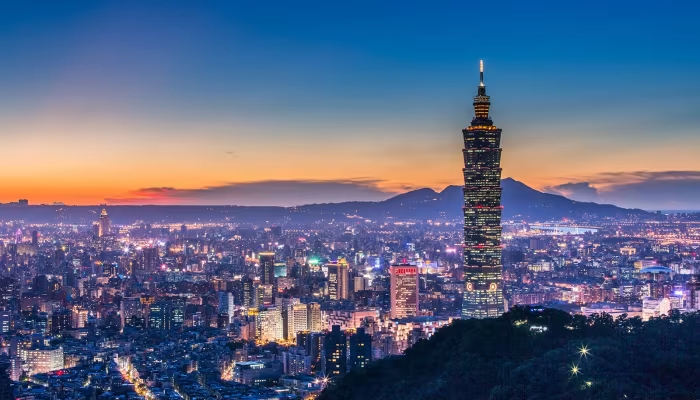
    Taipei, the capital city, represents the heart of the country’s real estate market. It is known for its modern skyline, vibrant culture, and strong economic activity. Districts such as Xinyi, Da’an, and Zhongshan are particularly popular, offering luxury apartments, proximity to business centers, and excellent amenities. Properties in Taipei are highly sought after due to strong rental demand and long-term value appreciation.

    New Taipei City surrounds the capital and provides more affordable alternatives while still offering excellent connectivity. Areas such as Banqiao, Tamsui, and Xindian have seen significant development, making them attractive for families and investors seeking better value without sacrificing access to Taipei.

    Taichung, located in central Taiwan, is known for its balanced lifestyle, growing economy, and lower property prices compared to the north. It has become a popular destination for buyers looking for spacious homes and a more relaxed pace of life. The city’s ongoing infrastructure development continues to enhance its appeal.

    Kaohsiung, in the south, offers a different dynamic with its port-based economy and increasing urban redevelopment. Property prices are generally more affordable, and the city is gaining attention due to new projects, improved public transport, and waterfront developments.

    Other regions, including Tainan and Hsinchu, also present opportunities. Hsinchu, in particular, is a major technology hub, attracting professionals and driving demand for housing. Each area provides unique advantages depending on lifestyle preferences and investment goals.

    Apartments, Condominiums, and Houses in Taiwan

    Taiwan’s property market offers a variety of residential options suited to different needs and budgets.

    Apartments are the most common type of property, particularly in urban areas. High-rise buildings dominate city landscapes, offering efficient living spaces with access to amenities such as security, parking, and shared facilities. These properties are popular among both local residents and foreign buyers due to their practicality and accessibility.

    Condominiums, often referred to as modern apartment complexes, provide enhanced facilities including gyms, rooftop gardens, and community spaces. These developments are typically newer and attract professionals, expatriates, and families seeking a higher standard of living.

    Townhouses and low-rise residential units are common in suburban and smaller city areas. They offer more space and privacy compared to apartments, making them suitable for families or buyers looking for long-term residences.

    Detached houses and villas are less common in densely populated cities but can be found in suburban and rural regions. These properties offer larger living areas, outdoor space, and greater flexibility in design. They are often preferred by those seeking a quieter lifestyle or vacation homes.

    The diversity of property types ensures that buyers can find options that match their requirements, whether it is a compact city apartment or a spacious home in a quieter setting.

    Investment Opportunities in Taiwan

    Taiwan presents a compelling case for property investment, particularly for those seeking stability and moderate growth rather than high-risk speculation.

    One of the main advantages is affordability compared to other major Asian markets such as Hong Kong or Singapore. While prices in Taipei are relatively high, they remain more accessible, and other cities offer even greater value.

    Rental demand is driven by a strong workforce, including professionals in the technology and manufacturing sectors. Cities like Taipei and Hsinchu, with high concentrations of employment opportunities, provide consistent rental income potential.

    Infrastructure development plays a key role in enhancing property values. Taiwan’s efficient transportation network, including high-speed rail and metro systems, improves connectivity between cities and increases the desirability of well-located properties.

    The government’s efforts to maintain market stability help reduce the risk of sudden price fluctuations. Policies aimed at controlling speculation ensure that the market remains sustainable over the long term.

    Investors should also consider factors such as property taxes, transaction costs, and currency exchange when entering the market. While returns may not be as rapid as in emerging markets, Taiwan offers reliability and steady appreciation.

    For many buyers, the focus is on securing a stable asset in a well-developed economy rather than pursuing short-term gains.

    Lifestyle, Connectivity, and Cultural Appeal

    Taiwan offers a high quality of life, combining modern convenience with rich cultural heritage and natural beauty. The island is known for its friendly communities, excellent public services, and safe living environment.

    Healthcare and education standards are high, with access to quality hospitals and schools across major cities. This makes Taiwan an attractive option for families as well as individual buyers.

    The cost of living is generally lower than in many developed Asian economies, especially outside Taipei. This allows residents to enjoy a comfortable lifestyle with access to modern amenities without excessive expenses.

    Taiwan’s transportation system is efficient and well-connected. The high-speed rail network links major cities, while metro systems in urban areas make daily commuting convenient. International travel is also easily accessible through major airports.

    The country offers a balanced lifestyle, with a mix of urban attractions and natural landscapes. Residents can enjoy mountains, beaches, national parks, and cultural sites, all within relatively short travel distances.

    Food culture is another highlight, with a wide range of local and international cuisine available. Night markets, cafes, and restaurants contribute to a vibrant social scene.

    Safety is a key advantage, with low crime rates and a strong sense of community. This stability enhances the overall appeal of Taiwan as a place to live and invest.

    Your Guide to Property in Taiwan

    Asiarealestate.uk is designed to provide UK-based buyers with clear and practical insights into property markets across Asia, including Taiwan. Our aim is to simplify the process of exploring international real estate and help you identify opportunities that align with your goals.

    Whether you are considering a modern apartment in Taipei, a spacious home in Taichung, or a coastal property in southern Taiwan, the market offers a wide range of options to suit different preferences and budgets.

    Understanding local regulations, ownership rules, and financial considerations is essential when purchasing property in Taiwan. With proper research and guidance, buyers can navigate the process confidently and make informed decisions.

    From vibrant urban centers to peaceful suburban communities, Taiwan continues to attract attention for its balance of affordability, quality of life, and economic stability. For those seeking a reliable and appealing property market in Asia, Taiwan presents a strong and promising option.

  • Property for Sale in Sri Lanka

    Property for sale in Sri Lanka offers a compelling opportunity to enter one of South Asia’s most scenic and steadily growing real estate markets. Known for its tropical landscapes, pristine beaches, and rich cultural heritage, Sri Lanka presents a diverse range of property options, from beachfront villas and hillside retreats to modern apartments and urban residences.

    Whether you are looking for a peaceful holiday home, a long-term investment, or a property in an emerging tourism-driven economy, Sri Lanka continues to attract international buyers due to its natural beauty, affordability, and increasing global interest in its real estate sector.

    Real Estate in Sri Lanka: Growth and Opportunity

    Sri Lanka’s real estate market has been evolving steadily, supported by infrastructure development, tourism growth, and increasing foreign interest. The country offers a unique blend of lifestyle appeal and investment potential, making it attractive to both individual buyers and investors.

    The property market is influenced by Sri Lanka’s strategic location in the Indian Ocean, as well as its growing reputation as a tourist destination. With more visitors arriving each year, there is a rising demand for rental properties, holiday homes, and hospitality-focused developments.

    Urban areas such as Colombo have seen significant development, with modern high-rise apartments and commercial spaces emerging alongside traditional neighborhoods. At the same time, coastal and rural regions offer opportunities for buyers seeking tranquility and scenic surroundings.

    Sri Lanka’s property sector includes apartments, villas, land plots, and commercial properties. While the market is still developing compared to more mature Asian markets, this also means there is room for growth and potential value appreciation.

    Foreign buyers are drawn to Sri Lanka for its relatively affordable property prices and relaxed lifestyle. While there are certain regulations regarding foreign ownership, particularly for land, options such as condominium ownership and long-term leases provide accessible entry points into the market.

    Key Property Areas in Sri Lanka

    Sri Lanka offers a variety of locations, each with its own character, lifestyle benefits, and investment appeal.

    Colombo, the capital city, is the commercial and financial hub of the country. It features modern apartments, luxury condominiums, and mixed-use developments. Areas such as Colombo 3, Colombo 5, and Colombo 7 are particularly popular among professionals and expatriates due to their central location and access to amenities.

    The southern coast, including Galle, Unawatuna, and Mirissa, is known for its beautiful beaches and vibrant tourism scene. These areas are ideal for holiday homes, boutique villas, and rental investments catering to international travelers.

    Negombo, located close to the international airport, offers a mix of residential and tourism-oriented properties. Its coastal setting and convenience make it a popular choice for both short-term stays and long-term living.

    Kandy, situated in the central highlands, provides a cooler climate and a more traditional atmosphere. Known for its cultural significance and scenic surroundings, Kandy appeals to buyers seeking peaceful living away from the coast.

    Emerging areas such as Kalutara, Bentota, and Trincomalee are gaining attention due to ongoing development and increasing tourism. These locations offer relatively lower entry prices and potential for future growth.

    Each region in Sri Lanka presents distinct advantages, allowing buyers to choose properties based on lifestyle preferences, investment goals, and proximity to key attractions.

    Apartments, Villas, and Land in Sri Lanka

    Sri Lanka’s property market offers a wide variety of options, catering to different budgets and purposes.

    Apartments and condominiums are most commonly found in urban areas like Colombo. These properties often include modern amenities such as security, parking, and recreational facilities. They are particularly attractive to foreign buyers due to clearer ownership structures.

    Villas are a popular choice in coastal and resort areas. These properties often feature spacious layouts, private gardens, and proximity to beaches. Many buyers invest in villas as holiday homes or rental properties, taking advantage of the tourism market.

    Land purchases are another option, especially for those looking to build custom homes or develop projects. While there are restrictions for foreign ownership of land, long-term lease agreements provide a viable alternative for international buyers.

    Traditional houses can also be found across the country, offering a more authentic living experience. These properties may require renovation but can provide unique character and charm.

    The diversity of property types ensures that buyers can find suitable options, whether they are seeking a modern city apartment, a beachfront villa, or a plot of land for future development.

    Investment Opportunities in Sri Lanka

    Sri Lanka presents a range of investment opportunities driven by tourism, urban development, and increasing international interest.

    One of the key advantages of investing in Sri Lanka is affordability. Compared to many other Asian markets, property prices are relatively low, allowing investors to enter the market at a lower cost while still benefiting from potential appreciation.

    The tourism sector plays a major role in driving demand for rental properties. Coastal regions and cultural destinations attract visitors throughout the year, creating opportunities for short-term rental income through holiday homes and boutique accommodations.

    Infrastructure development is also contributing to property value growth. Improvements in roads, airports, and public services are enhancing connectivity and making previously less accessible areas more attractive to buyers.

    Colombo, in particular, has seen significant investment in commercial and residential developments, positioning it as a growing urban center. High-rise apartments and mixed-use projects are becoming increasingly common, offering modern living options and investment potential.

    Investors should be aware of regulatory requirements, including taxes and ownership rules. Conducting proper due diligence and working with local experts is essential to ensure a smooth transaction process.

    While the market may not yet offer the same level of stability as more established regions, it provides strong potential for long-term growth, especially for those willing to take a strategic approach.

    Lifestyle, Connectivity, and Natural Beauty

    Sri Lanka offers a unique lifestyle that combines natural beauty, cultural richness, and a relaxed pace of living. The country is known for its diverse landscapes, including beaches, mountains, forests, and tea plantations.

    The cost of living in Sri Lanka is generally lower than in many developed countries, making it an attractive option for retirees and remote workers. Daily expenses, including food, transportation, and services, are relatively affordable.

    Sri Lanka’s connectivity is improving, with an international airport in Colombo providing access to major global destinations. Domestic transportation networks are also being enhanced, making it easier to travel across the island.

    The country offers a wide range of recreational activities, from surfing and diving to hiking and wildlife exploration. Cultural experiences, including festivals, temples, and historical sites, add to its appeal.

    Healthcare and education facilities are developing, particularly in urban areas. International schools and private healthcare services are available, catering to expatriates and long-term residents.

    Safety and community living are important aspects of life in Sri Lanka. While it is always advisable to consider local conditions, many areas offer a welcoming and peaceful environment for residents.

    The combination of affordability, natural beauty, and lifestyle benefits makes Sri Lanka an attractive destination for property buyers seeking something different from traditional urban markets.

    Your Guide to Property in Sri Lanka

    Asiarealestate.uk is designed to provide UK-based buyers with clear and practical insights into property markets across Asia, including Sri Lanka. Our aim is to simplify the process of exploring international real estate and help you identify opportunities that align with your goals.

    Whether you are considering a beachfront villa, a city apartment in Colombo, or a land investment in an emerging region, Sri Lanka offers a variety of options to suit different needs and strategies.

    Understanding local regulations, market trends, and financial considerations is essential when purchasing property in Sri Lanka. Taking the time to research and seek professional advice can help you make informed decisions and avoid potential challenges.

    From coastal retreats to urban developments, Sri Lanka continues to attract global attention as a growing real estate destination. With its combination of affordability, natural appeal, and long-term potential, it offers a promising opportunity for buyers looking to invest in an evolving market.

  • Property for Sale in Syria

    Property for sale in Syria presents a unique opportunity within a market shaped by history, resilience, and gradual recovery. Known for its rich cultural heritage, strategic location in the Middle East, and diverse landscapes, Syria offers a range of property options, from traditional homes in historic cities to modern apartments and land for development.

    Whether you are looking for a long-term investment, a restoration project, or a residential property with cultural significance, Syria is gradually regaining attention from buyers interested in emerging markets with future growth potential. While the market is still evolving, there are opportunities for those willing to take a long-term perspective and understand the local dynamics.

    Real Estate in Syria: Recovery and Potential

    Syria’s real estate market has undergone significant changes over the past decade, influenced by economic and political factors. Despite challenges, the property sector is slowly stabilizing, with renewed activity in certain regions and increasing interest in rebuilding and redevelopment.

    The country’s real estate landscape is characterized by a mix of traditional architecture and newer developments. Cities such as Damascus and Latakia continue to show signs of recovery, with residential and commercial activity gradually increasing. Demand is largely driven by local buyers, returning residents, and investors interested in long-term opportunities.

    Government initiatives and reconstruction efforts are expected to play a key role in shaping the future of the property market. As infrastructure is rebuilt and economic activity improves, the demand for housing and commercial spaces is likely to grow. This creates potential for capital appreciation over time.

    Syria’s property sector includes apartments, standalone houses, land plots, and mixed-use developments. While modern amenities may be limited in some areas, there is increasing focus on improving construction quality and urban planning as part of broader recovery efforts.

    For foreign buyers, navigating the legal and regulatory environment requires careful consideration. Ownership regulations, documentation, and local partnerships are important factors to understand before making any investment decisions.

    Key Property Areas in Syria

    Syria offers a variety of locations with different characteristics, depending on lifestyle preferences and investment goals.

    Damascus, the capital city, remains the central hub for real estate activity. Known for its historical significance and economic importance, Damascus offers a mix of traditional homes in the Old City and modern apartments in newer districts. Areas such as Mezzeh and Abu Rummaneh are among the more established residential zones, attracting professionals and families.

    Aleppo, once a major commercial center, is gradually rebuilding. While the market here is still in recovery, it offers opportunities for buyers interested in redevelopment projects and long-term investment. Property prices in Aleppo can be relatively lower compared to Damascus, reflecting both risk and potential.

    Latakia and Tartus, located along the Mediterranean coast, are gaining attention for their coastal lifestyle and improving infrastructure. These cities offer apartments, villas, and land with sea views, making them appealing for residential use and tourism-related investments.

    Homs and Hama are also witnessing gradual redevelopment, with growing demand for residential housing as communities rebuild. These areas may offer more affordable entry points for buyers looking to invest in emerging locations.

    Each region in Syria presents different opportunities and challenges. Buyers should consider factors such as infrastructure, accessibility, security, and long-term development plans when selecting a location.

    Apartments, Houses, and Land in Syria

    Syria’s property market provides a range of options suited to different budgets and purposes.

    Apartments are the most common type of property, particularly in urban areas. These range from older buildings with traditional layouts to newer developments offering improved facilities. In cities like Damascus and Latakia, apartments are popular among both residents and investors due to their relatively lower cost and ease of maintenance.

    Standalone houses, including traditional courtyard homes, are a distinctive feature of Syrian architecture. These properties often have cultural and historical value, especially in older neighborhoods. While some may require renovation, they offer unique living experiences and potential for restoration projects.

    Villas and larger homes are available in suburban and coastal areas, providing more space and privacy. These properties are typically favored by families or buyers seeking long-term residences.

    Land is another important segment of the market. With ongoing reconstruction efforts, demand for land is expected to increase, particularly for residential and commercial development. Investors interested in development projects may find opportunities in areas undergoing rebuilding.

    The variety of property types allows buyers to choose based on their objectives, whether it is personal use, rental income, or long-term appreciation.

    Investment Opportunities in Syria

    Syria represents a high-risk, high-potential investment environment. While the market is not yet fully stabilized, it offers opportunities for those with a long-term outlook and a clear understanding of the risks involved.

    One of the key advantages is relatively low property prices compared to more established markets. This provides an opportunity for early entry, especially in areas expected to benefit from reconstruction and economic recovery.

    As rebuilding efforts continue, demand for housing, commercial spaces, and infrastructure is likely to increase. This could lead to gradual appreciation in property values over time. Investors focusing on strategic locations and development zones may benefit from future growth.

    Rental income potential exists, particularly in major cities where demand for housing remains steady. However, rental yields can vary depending on location, property condition, and market conditions.

    It is important for investors to carefully assess legal requirements, ownership regulations, and local market practices. Working with experienced local professionals and conducting thorough due diligence is essential to minimize risks.

    While Syria may not offer the immediate stability of more developed markets, it provides a unique opportunity for those willing to invest in a recovering economy with long-term potential.

    Lifestyle, Connectivity, and Cultural Appeal

    Syria offers a distinctive lifestyle shaped by its rich history, cultural diversity, and strong sense of community. From ancient cities and historic landmarks to coastal regions and rural landscapes, the country provides a varied living experience.

    The cost of living in Syria is generally lower compared to many other countries, making it more accessible for residents. However, the availability of services and infrastructure can vary depending on the region.

    Major cities such as Damascus and Latakia offer access to healthcare, education, and basic amenities, although these services are still developing in some areas. Markets, local businesses, and traditional industries play an important role in daily life.

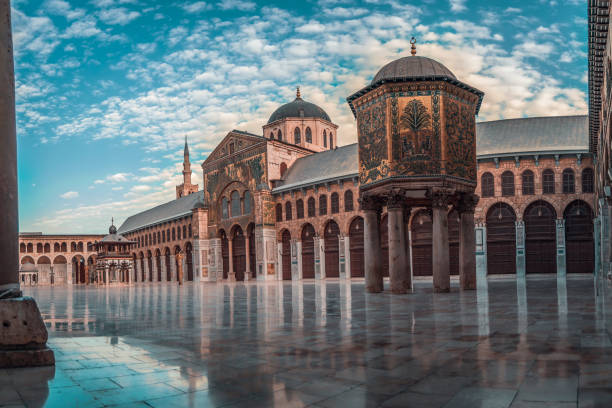
    Syria’s cultural heritage is one of its strongest attractions. Historic sites, traditional architecture, and local customs contribute to a unique environment that appeals to those interested in history and culture.

    Connectivity is gradually improving as infrastructure is rebuilt. While international travel and transport networks are still recovering, domestic connectivity within major regions is becoming more reliable.

    Safety and stability are important considerations for anyone planning to live or invest in Syria. Conditions can vary across regions, and it is essential to stay informed and make decisions based on current realities.

    Your Guide to Property in Syria

    Asiarealestate.uk is designed to provide UK-based buyers with clear and practical insights into property markets across Asia and the Middle East, including Syria. Our aim is to help you understand emerging markets and identify opportunities that align with your investment goals.

    Whether you are considering an apartment in a major city, a traditional home with cultural significance, or land for future development, Syria offers a range of possibilities for those willing to explore a recovering market.

    Understanding local regulations, market conditions, and economic factors is essential when purchasing property in Syria. Taking a cautious and informed approach will help you navigate the complexities of the market.

    From historic urban properties to coastal developments and redevelopment opportunities, Syria presents a unique real estate landscape. While challenges remain, the country’s long-term potential, cultural richness, and strategic location continue to attract interest from forward-looking investors.

  • Property for Sale in North Korea

    North Korea

    Property for sale in North Korea presents a highly unique and unconventional segment of the global real estate landscape. Unlike open and market-driven property environments found in most countries, North Korea operates under a centralized system where land and property ownership are controlled by the state. This creates a very different framework for what “property for sale” means, particularly for foreign observers and potential investors.

    While traditional private ownership is not recognized in the same way as in other countries, there are limited forms of property usage rights and state-allocated housing that function within the domestic system. For individuals seeking to understand or explore real estate in North Korea, it is essential to approach the subject with a clear understanding of the country’s legal structure, political environment, and economic model.

    Whether viewed from an academic, geopolitical, or highly specialized investment perspective, North Korea’s property landscape remains one of the most restricted and tightly controlled in the world.

    Real Estate in North Korea: Structure and State Control

    North Korea’s real estate system is fundamentally different from market economies due to its centralized governance and socialist framework. All land in the country is owned by the state, and individuals do not have the legal right to buy or sell property in the conventional sense.

    Housing is typically allocated by the government based on employment, social status, and family needs. Citizens are assigned apartments or homes, particularly in urban areas such as Pyongyang, which is considered the most prestigious location in the country. These allocations are not permanent ownership rights but rather usage permissions that can change based on circumstances.

    In recent years, there have been reports of informal markets emerging within the domestic population, where usage rights to apartments are exchanged or transferred. However, these transactions exist outside formal legal frameworks and are not recognized as official property sales.

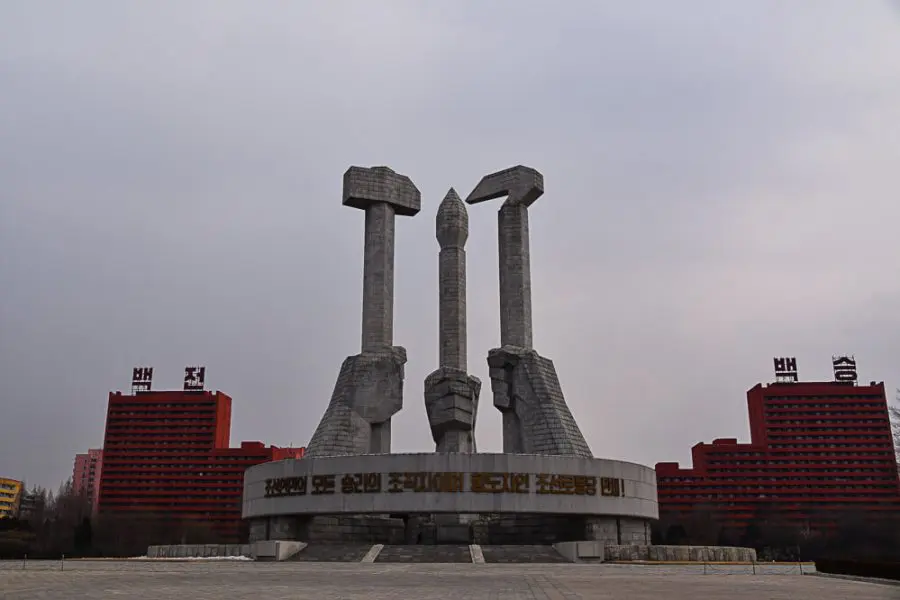
    The real estate environment is shaped by strict government planning and urban development policies. Construction projects are often initiated and completed by the state, with a focus on showcasing national progress and modernization, especially in key cities.

    For foreign individuals or companies, direct ownership of residential property is not permitted. Any involvement in real estate is typically limited to government-approved projects or diplomatic arrangements, making the market highly restricted.

    Key Property Areas in North Korea

    North Korea’s property landscape is largely defined by its major cities and strategically important regions, each serving specific political, economic, or symbolic roles.

    Pyongyang, the capital city, is the most developed and prominent urban center in the country. It features high-rise apartment buildings, government complexes, and modern infrastructure compared to other regions. Housing in Pyongyang is considered prestigious and is generally reserved for individuals with higher social or political standing. Developments in the city often reflect state priorities, including new residential districts designed to demonstrate progress.

    Other cities such as Kaesong, Nampo, and Hamhung also play important roles within the country. Kaesong, located near the border with South Korea, has historical and economic significance, particularly due to its former industrial cooperation zone. Nampo serves as a key port city, contributing to trade and logistics, while Hamhung is an industrial hub.

    Rural areas present a very different housing structure, with simpler homes and limited infrastructure. These regions are primarily focused on agriculture and local community living, with housing assigned based on local administrative systems.

    Tourism-related zones, including designated areas for foreign visitors, have seen limited development of accommodation facilities. However, these are not traditional residential properties and are strictly regulated by the government.

    Each region reflects the broader economic and administrative priorities of the state, rather than a market-driven approach to real estate.

    Apartments, Housing, and Property Types in North Korea

    The concept of property types in North Korea differs significantly from that of open-market countries, as the focus is on functional housing rather than investment-driven real estate diversity.

    Apartments are the most common form of housing, particularly in urban areas. These range from older Soviet-style buildings to newer high-rise developments constructed in recent years. The quality and size of apartments can vary widely depending on location and the occupant’s status.

    State-built housing projects often include large residential complexes designed to accommodate significant portions of the population. These developments may feature basic amenities, though standards can differ considerably compared to international benchmarks.

    Detached houses are less common in urban areas but can be found in rural regions. These homes are typically simpler in design and constructed using locally available materials. They are assigned to families engaged in agricultural or local community work.

    Special housing arrangements exist for government officials, military personnel, and individuals with higher social standing. These residences are often located in more developed areas and may offer better facilities and living conditions.

    It is important to note that all these housing types are allocated rather than purchased, and the concept of property ownership remains tied to state authority.

    Investment Opportunities in North Korea

    Investment opportunities in North Korea’s real estate sector are extremely limited and highly regulated. Unlike traditional property markets, there is no open system for buying, selling, or leasing residential or commercial real estate for profit.

    Foreign investment is generally restricted to specific sectors approved by the government, such as infrastructure, tourism, or industrial development. In these cases, participation may involve joint ventures or state partnerships rather than direct property ownership.

    Special economic zones have been established in certain areas to encourage limited foreign investment. These zones may offer more flexible arrangements for business operations, including the development of facilities and infrastructure. However, even within these zones, land ownership remains under state control.

    The lack of transparency, legal protections, and market mechanisms presents significant challenges for investors. Property values are not determined by supply and demand in the traditional sense, and there is no established system for resale or capital appreciation.

    For most international investors, North Korea does not function as a viable real estate investment destination. Any involvement requires careful consideration of political, legal, and economic risks.

    Lifestyle, Infrastructure, and Living Conditions

    Living conditions in North Korea vary widely depending on location, occupation, and access to resources. Urban centers, particularly Pyongyang, offer relatively better infrastructure and services compared to rural areas.

    The capital city features organized urban planning, public transportation systems, and access to education and healthcare facilities. However, these services are primarily designed for residents selected to live in the city, and access may be limited for others.

    In contrast, rural areas often face challenges related to infrastructure, including limited access to modern amenities and utilities. Housing conditions in these regions reflect a more basic standard of living.

    The country maintains a controlled environment with restricted access to external information and limited interaction with the global community. This significantly impacts the overall lifestyle experience for residents.

    Transportation and connectivity are also influenced by state policies, with domestic travel requiring permissions in certain cases. International connectivity is minimal, reflecting the country’s isolated position.

    While there have been efforts to modernize certain aspects of infrastructure, particularly in key urban areas, the overall living environment remains shaped by the country’s political and economic system.

    Legal Considerations and Ownership Restrictions

    Understanding the legal framework is essential when discussing property in North Korea. The absence of private land ownership is the defining feature of the system, and all real estate is controlled by the state.

    Citizens are granted the right to use housing but do not possess ownership in the legal sense. These rights can be reassigned or revoked based on government decisions, making them fundamentally different from freehold or leasehold systems found elsewhere.

    Foreign individuals are not permitted to purchase residential property. Any involvement in real estate must be conducted through government-approved channels and is typically limited to specific projects.

    Legal protections for property transactions are minimal, particularly for foreign participants. The regulatory environment lacks the transparency and safeguards commonly found in established property markets.

    Due to these restrictions, the concept of property investment in North Korea is largely theoretical for international buyers.

    Your Guide to Property in North Korea

    Asiarealestate.uk aims to provide clear and practical insights into property markets across Asia, including those that operate under unique and complex systems such as North Korea. Our objective is to help readers understand the realities of each market, even when they differ significantly from conventional expectations.

    Exploring property in North Korea requires a shift in perspective, focusing less on ownership and investment and more on understanding the country’s structural and regulatory framework. The absence of a traditional real estate market means that opportunities are limited and highly specialized.

    For most buyers and investors, North Korea is not a typical destination for property acquisition. However, studying its system offers valuable insights into how real estate functions within a centrally planned economy.

    From state-controlled housing allocations to restricted foreign involvement, North Korea presents a distinct and tightly regulated property environment. Understanding these dynamics is essential for anyone seeking a comprehensive view of real estate across Asia.

  • Property for Sale in Saudi Arabia

    Property for sale in Saudi Arabia offers access to one of the Middle East’s fastest-evolving and increasingly attractive real estate markets. Known for its ambitious development plans, expanding urban infrastructure, and strong economic transformation under Vision 2030, Saudi Arabia provides a wide range of property opportunities, from modern city apartments to luxury villas, gated communities, and large-scale master-planned developments.

    Whether you are looking for a contemporary residence, a long-term investment, or a property in a rapidly growing economic environment, Saudi Arabia is gaining attention from both regional and international buyers. Its evolving regulatory landscape, growing private sector, and focus on diversification are reshaping the real estate market and opening new opportunities.

    Real Estate in Saudi Arabia: Growth and Transformation

    Saudi Arabia’s real estate market is undergoing a significant transformation driven by economic diversification, population growth, and government-led initiatives. The country is moving beyond its traditional reliance on oil by investing heavily in infrastructure, tourism, technology, and urban development.

    Vision 2030 plays a central role in shaping the property market. This national strategy focuses on improving quality of life, increasing homeownership rates, and attracting foreign investment. As a result, large-scale projects, new cities, and residential developments are being introduced across the country.

    The real estate sector benefits from strong domestic demand due to a young and growing population. Increased access to housing finance, government support programs, and rising incomes are contributing to higher demand for residential properties.

    Saudi Arabia offers a mix of property types, including apartments, villas, compounds, and commercial developments. Modern construction standards, improved urban planning, and integrated community designs are enhancing the overall quality of real estate offerings.

    Foreign ownership regulations have gradually evolved, allowing greater participation from international investors in specific areas and developments. While certain restrictions still apply, the market is becoming more accessible, especially within designated investment zones and major projects.

    Key Property Areas in Saudi Arabia

    Saudi Arabia offers a variety of cities and regions, each with distinct characteristics, lifestyle appeal, and investment potential.

    Riyadh, the capital city, is the primary economic and administrative hub of the country. It has experienced rapid growth in recent years, with new residential communities, commercial districts, and infrastructure projects reshaping the city. High demand for housing, driven by business activity and population expansion, makes Riyadh a key location for both investors and homeowners.

    Jeddah, located along the Red Sea coast, is known for its cultural diversity, coastal lifestyle, and commercial importance. The city offers a mix of waterfront properties, modern apartments, and established residential neighborhoods. Jeddah’s appeal lies in its relaxed atmosphere combined with strong economic activity and connectivity.

    Dammam and the Eastern Province form another important region, particularly due to their proximity to major oil and industrial operations. Cities such as Khobar and Dhahran offer well-developed residential areas, modern amenities, and a high standard of living. This region attracts professionals working in energy, engineering, and related industries.

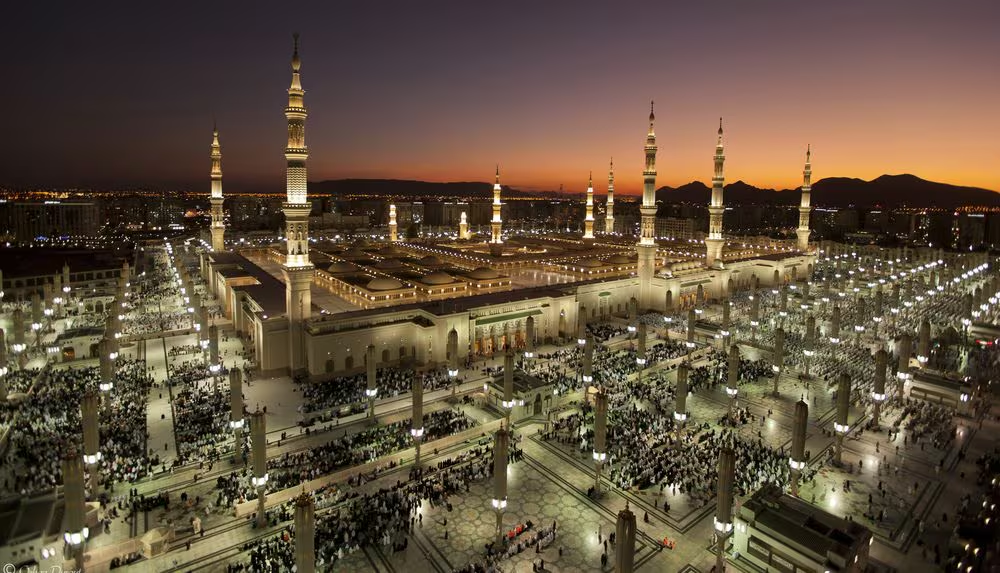
    Mecca and Medina hold religious significance and attract millions of visitors annually. While property ownership in these cities is subject to specific regulations, real estate development continues to grow, particularly in hospitality and residential sectors catering to pilgrims.

    Emerging developments such as NEOM, The Red Sea Project, and Qiddiya represent a new frontier in Saudi Arabia’s real estate landscape. These large-scale initiatives are designed to create world-class destinations, combining residential, commercial, and leisure spaces with advanced technology and sustainability.

    Each region offers different opportunities depending on investment goals, lifestyle preferences, and long-term growth potential.

    Apartments, Villas, and Residential Compounds in Saudi Arabia

    Saudi Arabia’s property market provides a wide selection of residential options designed to meet diverse needs and preferences.

    Apartments are increasingly popular in urban areas, particularly in cities like Riyadh and Jeddah. Modern apartment buildings often include facilities such as security, parking, gyms, and shared recreational spaces. These properties are suitable for professionals, small families, and investors seeking rental income.

    Villas represent a significant portion of the residential market and are especially favored by families. These properties offer more space, privacy, and flexibility. Villas can be found in standalone formats or within gated communities, often featuring gardens, multiple floors, and modern designs.

    Residential compounds are a unique segment of the Saudi housing market. These gated communities provide a secure and self-contained living environment, often with amenities such as swimming pools, sports facilities, retail outlets, and community spaces. Compounds are particularly popular among expatriates and offer a more international lifestyle experience.

    Townhouses and duplex homes are also becoming more common, offering a balance between apartment living and standalone villas. These properties are typically located within planned communities and provide a cost-effective alternative for families.

    The increasing focus on quality construction, smart home features, and community living is elevating the standard of residential developments across the country.

    Investment Opportunities in Saudi Arabia

    Saudi Arabia is emerging as a compelling destination for real estate investment due to its economic reforms, large-scale development projects, and expanding population.

    One of the key drivers of investment is the government’s commitment to increasing homeownership and supporting the housing sector. Initiatives such as subsidized financing and partnerships with private developers are encouraging market growth.

    Major projects under Vision 2030 are creating new investment opportunities. Developments like NEOM and The Red Sea Project are attracting global attention and are expected to drive long-term value through tourism, innovation, and infrastructure development.

    Rental demand is also growing, particularly in major cities where business activity and urbanization are increasing. Professionals, expatriates, and young families contribute to a steady demand for rental properties, especially in well-connected and modern communities.

    Infrastructure development plays a significant role in enhancing property values. Investments in transportation, including metro systems, highways, and airports, improve accessibility and make new areas more attractive for residential and commercial development.

    The regulatory environment is evolving to support investment while maintaining market stability. Transparency, digitalization of property transactions, and clearer legal frameworks are improving investor confidence.

    While the market is still developing compared to more mature global real estate hubs, Saudi Arabia offers strong growth potential. Investors are increasingly viewing it as a long-term opportunity driven by structural economic changes.

    Lifestyle, Connectivity, and Modern Living

    Saudi Arabia is experiencing a shift in lifestyle and urban living standards, driven by modernization and increased investment in social infrastructure.

    Major cities now offer a wide range of amenities, including shopping malls, entertainment venues, restaurants, and cultural attractions. The introduction of cinemas, events, and tourism initiatives has expanded lifestyle options for residents.

    Healthcare and education are also improving, with the development of modern hospitals, international schools, and universities. These factors contribute to a higher quality of life and make the country more attractive for families and professionals.

    Connectivity within Saudi Arabia is strong, with well-developed road networks and ongoing investments in public transportation. Projects such as the Riyadh Metro are expected to significantly enhance urban mobility.

    International connectivity is supported by major airports in Riyadh, Jeddah, and Dammam, linking the country to global destinations. This accessibility is important for business, tourism, and expatriate communities.

    The country is also focusing on sustainability and smart city initiatives, particularly in new developments. Green spaces, energy-efficient buildings, and integrated urban planning are becoming more prominent in modern projects.

    Safety and stability remain key strengths. Saudi Arabia maintains a secure environment with a strong legal framework, contributing to confidence among residents and investors.

    Your Guide to Property in Saudi Arabia

    Asiarealestate.uk is designed to provide UK-based buyers with clear and practical insights into property markets across Asia and the Middle East, including Saudi Arabia. Our aim is to simplify the process of exploring international real estate opportunities and help you make informed decisions.

    Whether you are considering an apartment in a growing urban center, a villa in a family-friendly community, or an investment in a large-scale development project, Saudi Arabia offers a diverse range of options.

    Understanding the local regulations, ownership structures, and market trends is essential when purchasing property in Saudi Arabia. Working with experienced professionals and staying informed about policy changes can help you navigate the process with confidence.

    The country’s real estate market is evolving rapidly, supported by strong government initiatives and increasing global interest. From established cities to futuristic developments, Saudi Arabia presents a unique combination of growth, opportunity, and long-term potential.

    As the market continues to mature, it is likely to attract even greater attention from international investors seeking diversification and exposure to a transforming economy.

  • Property for Sale in Uzbekistan

    Property for sale in Uzbekistan presents an emerging opportunity within Central Asia’s evolving real estate landscape. Known for its rich cultural heritage, strategic location along historic trade routes, and steadily developing economy, Uzbekistan offers a diverse range of property options, from modern city apartments to traditional homes and expanding suburban developments.

    Whether you are looking for a unique lifestyle residence, an affordable entry point into an emerging market, or a long-term investment in a country undergoing economic transformation, Uzbekistan is gaining attention among international buyers due to its growth potential, improving infrastructure, and increasing openness to foreign investment.

    Real Estate in Uzbekistan: Growth and Opportunity

    Uzbekistan’s real estate market is in a phase of development, characterized by gradual modernization, regulatory reforms, and increasing demand for residential and commercial properties. As the country continues to open its economy and attract foreign investment, the property sector is benefiting from improved transparency and rising interest from both local and international buyers.

    The real estate market is driven by urbanization, population growth, and expanding business activity. Cities such as Tashkent, Samarkand, and Bukhara are experiencing increased development, with new residential complexes, commercial spaces, and infrastructure projects shaping the urban landscape.

    Uzbekistan offers a mix of traditional housing and newly constructed developments. Older properties often reflect local architectural styles and cultural influences, while newer projects focus on modern design, improved construction standards, and enhanced amenities. This combination allows buyers to choose between character-rich homes and contemporary living spaces.

    The government has been taking steps to support the real estate sector through reforms aimed at simplifying property transactions and encouraging investment. While the market is still developing compared to more established regions, this stage of growth presents opportunities for buyers seeking value and future appreciation.

    Foreign interest is gradually increasing as Uzbekistan continues to position itself as an accessible and promising destination. With relatively lower property prices compared to many global markets, the country offers a compelling entry point for those willing to explore emerging opportunities.

    Key Property Areas in Uzbekistan

    Uzbekistan offers a variety of locations, each with its own unique appeal, lifestyle advantages, and investment potential.

    Tashkent, the capital city, is the primary hub of economic and real estate activity. It features a growing number of modern residential complexes, business centres, and infrastructure developments. Central districts offer convenience, proximity to offices, and strong rental demand, making them attractive for both investors and professionals.

    Samarkand is known for its historical significance and tourism appeal. Properties here often attract buyers interested in cultural surroundings and hospitality-related investments. The city is seeing increasing development, with new housing projects complementing its historic charm.

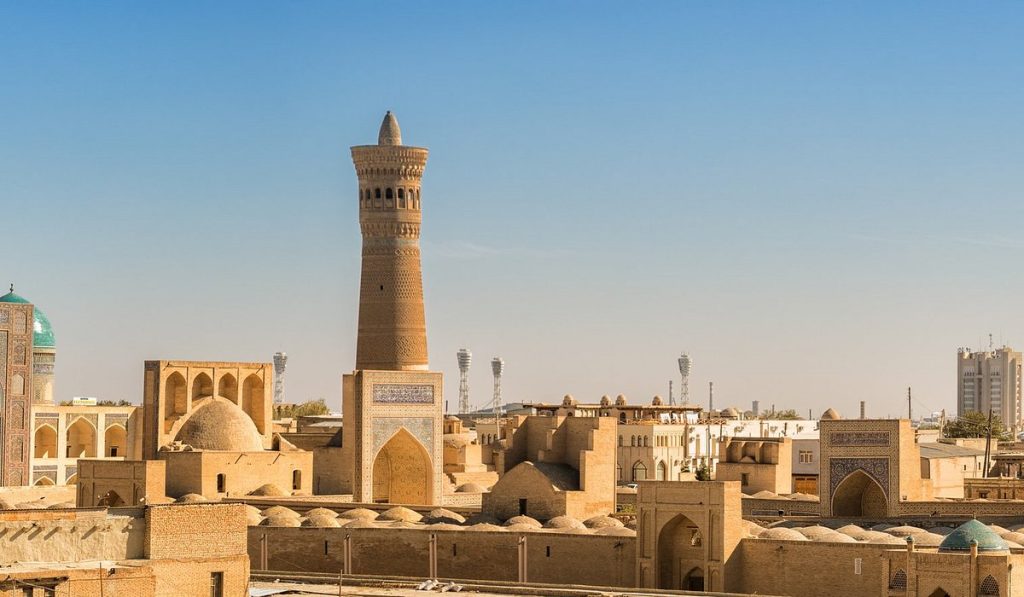
    Bukhara offers a more traditional and heritage-focused environment. It appeals to those seeking unique properties with cultural value or opportunities in the tourism sector. While development is more gradual compared to Tashkent, the city’s distinct character makes it an interesting option for niche investments.

    Regional cities and suburban areas provide more affordable property options and greater space. As infrastructure improves and connectivity expands, these areas are expected to see increased demand over time. Buyers looking for long-term growth or residential use may find value in these locations.

    Each area offers different advantages depending on whether the focus is on lifestyle, affordability, or investment potential.

    Apartments, Houses, and New Developments in Uzbekistan

    Uzbekistan’s property market includes a range of residential options designed to meet varying needs and budgets.

    Apartments are the most common type of property, particularly in urban areas. These range from older Soviet-era buildings to newly constructed complexes with modern amenities. New developments often include features such as security systems, parking facilities, and improved layouts, making them attractive to younger buyers and professionals.

    Traditional houses, often found in older neighborhoods or smaller cities, provide more space and a connection to local architectural styles. These properties may include courtyards and unique design elements, offering a different living experience compared to modern apartments.

    New residential developments are becoming increasingly popular, especially in Tashkent. These projects focus on contemporary living standards, with better construction quality, energy efficiency, and integrated community features. They are often designed to meet the expectations of a growing middle class and international buyers.

    Gated communities and planned residential areas are also emerging, offering enhanced security, shared facilities, and a more structured living environment. These developments are particularly appealing to families and long-term residents.

    The variety of property types ensures that buyers can find options suited to their preferences, whether they are looking for affordability, modern comfort, or cultural authenticity.

    Investment Opportunities in Uzbekistan

    Uzbekistan is gaining recognition as an emerging market with strong investment potential in the real estate sector.

    One of the key advantages is affordability. Property prices are relatively low compared to more developed markets, allowing investors to enter at a lower cost. This creates opportunities for capital appreciation as the market continues to develop and demand increases.

    Economic reforms and government initiatives are playing a significant role in attracting investment. Efforts to improve the business environment, enhance infrastructure, and promote tourism are contributing to the growth of the property market.

    Rental income potential is also improving, particularly in major cities like Tashkent. As more professionals, expatriates, and businesses enter the market, demand for quality rental properties is rising. Well-located apartments and modern developments are especially attractive for rental purposes.

    Tourism growth is another factor influencing investment opportunities. Cities with strong cultural and historical appeal are seeing increased visitor numbers, creating demand for short-term rental properties and hospitality-related investments.

    While the market offers promising opportunities, it is important for investors to understand local regulations, ownership structures, and legal processes. Conducting proper due diligence and working with local experts can help ensure a smooth investment experience.

    Uzbekistan’s real estate market may not yet offer the same level of maturity as established markets, but its growth trajectory and affordability make it an appealing option for forward-looking investors.

    Lifestyle, Connectivity, and Cultural Appeal

    Uzbekistan offers a distinctive lifestyle shaped by its rich history, cultural heritage, and evolving modern infrastructure. The country provides a blend of traditional living and contemporary convenience, making it an interesting place to live or invest.

    The cost of living is relatively affordable, especially when compared to major global cities. This affordability extends to housing, daily expenses, and services, making it attractive for both residents and expatriates.

    Uzbekistan’s cities are becoming increasingly connected, with improvements in transportation infrastructure, including roads, railways, and air travel. Tashkent serves as a central hub, with international connections and growing accessibility to other parts of the region.

    Cultural richness is a defining feature of life in Uzbekistan. Historic landmarks, local markets, and traditional cuisine contribute to a unique living experience. Cities like Samarkand and Bukhara offer a strong sense of heritage, while Tashkent provides a more modern urban environment.

    Education and healthcare services are improving, with both public and private options available. While international-standard facilities are still developing, major cities are seeing steady progress in service quality.

    Safety and community-oriented living are also notable aspects. Uzbekistan is generally considered a safe country, with a welcoming environment for both locals and visitors.

    The combination of affordability, cultural depth, and gradual modernization creates a lifestyle that is both comfortable and distinctive.

    Your Guide to Property in Uzbekistan

    Asiarealestate.uk is designed to provide UK-based buyers with clear and practical insights into property markets across Asia, including Uzbekistan. Our aim is to simplify the process of exploring international real estate opportunities and help you make informed decisions.

    Whether you are considering a modern apartment in Tashkent, a culturally rich property in Samarkand, or a spacious home in a developing suburban area, Uzbekistan offers a range of options suited to different goals and budgets.

    Understanding the local market, legal framework, and financial considerations is essential when investing in Uzbekistan. While the market is still developing, it presents opportunities for those willing to take a long-term perspective.

    With careful planning and the right guidance, buyers can navigate the market confidently and identify properties that align with their investment strategy or lifestyle needs.

    From affordable entry points to future growth potential, Uzbekistan’s real estate market is steadily gaining attention, offering a unique combination of opportunity, cultural richness, and evolving economic strength.

  • Property for Sale in South Korea

    Property for sale in South Korea offers access to one of Asia’s most dynamic and technologically advanced real estate markets. Known for its vibrant cities, strong economy, and rapidly evolving urban landscape, South Korea provides a diverse range of property options, from modern high-rise apartments to luxury residences and suburban homes.

    Whether you are looking for a stylish urban apartment, a long-term investment in a growing economy, or a property in a country known for innovation and cultural influence, South Korea continues to attract international interest. Its blend of tradition and modernity, combined with strong infrastructure and global connectivity, makes it a compelling destination for property buyers.

    Real Estate in South Korea: Growth and Modern Living

    South Korea has developed into a highly organized and efficient real estate market, supported by a strong economy and advanced infrastructure. The country is known for its high-quality construction, smart city initiatives, and well-planned urban environments, which contribute to its growing appeal among investors and homeowners.

    The real estate market in South Korea is largely driven by urban demand, particularly in major cities where economic activity is concentrated. The capital city, Seoul, plays a central role, attracting professionals, businesses, and international residents. This consistent demand has led to steady property value growth, especially in prime locations.

    Government policies play a significant role in regulating the market and maintaining stability. Measures are often introduced to control speculation, manage housing affordability, and ensure sustainable growth. These regulations help create a balanced environment for both local and foreign buyers.

    South Korea’s property sector includes apartments, officetels, villas, and detached houses. Apartments dominate the residential landscape, particularly in urban areas, offering modern facilities, security, and convenience. The country’s focus on innovation is also reflected in smart home technologies and energy-efficient buildings.

    For international buyers, South Korea offers a transparent legal framework and relatively straightforward property ownership processes. While certain regulations apply, particularly regarding land ownership, the overall system supports foreign investment and provides a secure environment for transactions.

    Key Property Areas in South Korea

    South Korea offers a wide range of locations, each with its own character, lifestyle appeal, and investment potential.

    Seoul stands at the center of the country’s real estate market. Districts such as Gangnam, Seocho, and Songpa are known for their luxury apartments, high-end developments, and strong demand. These areas are popular among professionals, expatriates, and investors seeking premium properties and consistent rental income.

    Other parts of Seoul, including Mapo, Yongsan, and Seongsu, have gained popularity due to their vibrant culture, proximity to business hubs, and ongoing redevelopment projects. These neighborhoods attract younger buyers and investors looking for growth opportunities.

    Busan, South Korea’s second-largest city, offers a coastal lifestyle combined with urban convenience. Areas such as Haeundae and Marine City are known for beachfront apartments and modern high-rise developments. Busan’s growing tourism industry and port economy contribute to its real estate appeal.

    Incheon, located near Seoul and home to a major international airport, is another key property market. With large-scale development projects and improved connectivity, areas such as Songdo International Business District offer modern living spaces and strong investment potential.

    Other cities like Daegu, Daejeon, and Gwangju provide more affordable property options while still offering good infrastructure and quality of life. These locations are suitable for buyers seeking value and long-term growth outside the major metropolitan areas.

    Each region presents different advantages, allowing buyers to choose based on lifestyle preferences, budget, and investment strategy.

    Apartments, Officetels, and Houses in South Korea

    South Korea’s property market is dominated by a variety of residential types designed to meet different needs and budgets.

    Apartments are the most common form of housing, particularly in cities. These are typically located in large residential complexes with facilities such as security systems, parking, playgrounds, and community spaces. Modern apartments often include smart home features and are highly sought after for their convenience and efficiency.

    Officetels are a unique property type that combines residential and commercial functions. They are popular among young professionals and investors due to their compact size, flexible use, and relatively lower entry cost. Officetels are often located in central areas, making them ideal for rental income.

    Villas, which are low-rise residential buildings, offer an alternative to high-rise apartments. They are generally more affordable and provide a quieter living environment, making them suitable for families or those seeking more privacy.

    Detached houses and luxury homes represent the premium segment of the market. These properties offer more space, customization options, and exclusivity, but they are less common in densely populated urban areas.

    The diversity of property types ensures that buyers can find suitable options, whether they are looking for a modern apartment in a city center or a more spacious home in a quieter neighborhood.

    Investment Opportunities in South Korea

    South Korea presents a range of investment opportunities supported by its strong economy and growing global influence. The country’s real estate market has shown resilience, with consistent demand in key urban areas driving long-term value.

    One of the main advantages of investing in South Korea is its stable economic environment. As a leading economy in Asia, the country benefits from strong industries, including technology, manufacturing, and exports. This economic strength supports the real estate sector and contributes to property value stability.

    Rental income potential is particularly strong in cities like Seoul, where demand for housing remains high. The presence of students, professionals, and expatriates ensures a steady rental market, especially for well-located apartments and officetels.

    Infrastructure development is another key factor. South Korea’s advanced transportation network, including high-speed trains and extensive metro systems, enhances connectivity and increases the attractiveness of properties located near transit hubs.

    The government’s active role in the market helps maintain balance and transparency. While certain restrictions and taxes may apply, these measures are designed to prevent excessive speculation and ensure long-term sustainability.

    South Korea also offers opportunities in emerging areas undergoing redevelopment. Urban renewal projects and smart city initiatives create potential for capital appreciation, particularly in districts experiencing rapid transformation.

    For investors, the focus is often on both rental yield and long-term growth. With careful planning and market understanding, South Korea provides a promising environment for property investment.

    Lifestyle, Infrastructure, and Cultural Appeal

    South Korea offers a high standard of living, combining modern convenience with rich cultural heritage. The country is known for its efficient public services, advanced technology, and vibrant lifestyle, making it an attractive place to live and invest.

    Cities like Seoul provide a fast-paced urban environment with access to world-class dining, shopping, and entertainment. At the same time, traditional markets, historic palaces, and cultural festivals add depth and character to everyday life.

    The cost of living varies depending on location, with major cities being more expensive than smaller towns. However, the quality of infrastructure and services often justifies the cost. Residents benefit from excellent healthcare, education, and public transportation systems.

    South Korea’s transportation network is one of the most advanced in the world. High-speed trains connect major cities, while extensive metro systems make commuting easy within urban areas. This level of connectivity enhances the value of well-located properties.

    The country also offers a balanced lifestyle, with access to natural landscapes such as mountains, parks, and coastal areas. Outdoor activities, wellness culture, and a strong emphasis on community contribute to overall quality of life.

    Safety is another important factor. South Korea is considered one of the safest countries in Asia, with low crime rates and a strong legal system. This sense of security appeals to both families and international buyers.

    The combination of modern living, cultural richness, and reliable infrastructure makes South Korea a desirable destination for property ownership.

    Your Guide to Property in South Korea

    Asiarealestate.uk is designed to provide UK-based buyers with clear and practical insights into property markets across Asia, including South Korea. Our aim is to simplify the process of exploring international real estate and help you identify opportunities that align with your goals.

    Whether you are considering a high-rise apartment in Seoul, a coastal property in Busan, or an emerging investment opportunity in a developing city, South Korea offers a wide range of options to suit different preferences and budgets.

    Understanding local regulations, market trends, and financial considerations is essential when purchasing property in South Korea. With the right approach and reliable information, buyers can navigate the market confidently and make well-informed decisions.

    From modern urban developments to evolving residential communities, South Korea continues to attract global attention. Its combination of economic strength, innovation, and lifestyle appeal positions it as a strong contender for both property investment and long-term living.

  • Property for Sale in Iraq

    Property for sale in Iraq presents a unique opportunity to enter a developing real estate market with strong long-term potential. Known for its rich history, strategic location, and growing urban centres, Iraq is gradually rebuilding and modernizing its infrastructure, creating new prospects across residential, commercial, and mixed-use developments.

    Whether you are looking for an affordable entry point into an emerging market, a property with future appreciation potential, or a residence in one of Iraq’s expanding cities, the country is beginning to attract attention from both regional and international buyers. With increasing investment in reconstruction and urban development, Iraq’s property sector is evolving and offering new possibilities.

    Real Estate in Iraq: Growth and Opportunity

    Iraq’s real estate market is in a phase of gradual transformation, shaped by ongoing reconstruction efforts, economic reforms, and infrastructure development. After years of instability, the country is focusing on rebuilding key sectors, including housing, transportation, and commercial facilities, which directly influences property demand.

    Major cities such as Baghdad, Erbil, and Basra are witnessing increased development activity. Urban expansion, population growth, and the need for modern housing are driving demand for residential properties. At the same time, commercial real estate is gaining traction as businesses expand and new enterprises enter the market.

    The real estate sector in Iraq is characterized by a mix of traditional housing, newly constructed residential complexes, and large-scale development projects. While the market is still developing compared to more established regions, it offers relatively lower entry costs and the potential for significant long-term appreciation.

    Government initiatives aimed at improving infrastructure and encouraging investment are gradually strengthening the market. Roads, utilities, and public services are being upgraded, making urban areas more accessible and attractive for property buyers.

    For investors willing to navigate a developing environment, Iraq presents opportunities that are not typically found in more mature markets. The focus is often on long-term growth rather than immediate returns, making it suitable for strategic investment planning.

    Key Property Areas in Iraq

    Iraq offers a range of locations with varying levels of development, each providing distinct advantages for buyers and investors.

    Baghdad, the capital city, remains the central hub for political, economic, and cultural activity. The city has a high demand for residential housing due to its large population. Areas with improved security and infrastructure are particularly attractive for property buyers. New residential projects and gated communities are gradually emerging to meet modern living standards.

    Erbil, located in the Kurdistan Region, is one of the most developed and investor-friendly cities in Iraq. It has seen significant growth in recent years, with modern residential compounds, shopping centres, and business districts. The city offers a more stable environment compared to other regions, making it a preferred choice for both local and foreign investors.

    Basra, an important economic centre in southern Iraq, plays a key role in the country’s oil industry. The demand for housing and commercial spaces is driven by business activity and employment opportunities. As infrastructure improves, Basra continues to develop as a promising real estate location.

    Sulaymaniyah is another city in the Kurdistan Region known for its cultural environment and growing urban infrastructure. It offers a mix of residential and commercial properties and is becoming increasingly attractive for long-term investment.

    Emerging suburban and peripheral areas around major cities are also gaining attention. These locations often provide more affordable property options and are expected to benefit from future development and urban expansion.

    Each area presents different levels of risk and opportunity, allowing buyers to choose based on their investment goals and comfort with market conditions.

    Apartments, Houses, and Residential Compounds in Iraq

    Iraq’s property market includes a variety of residential options that cater to different budgets and lifestyle preferences.

    Apartments are among the most common property types, particularly in urban areas. They range from basic units in older buildings to modern apartments in newly developed complexes. In cities like Erbil, high-rise residential buildings with contemporary amenities are becoming more common.

    Standalone houses are widely available and remain a traditional choice for many families. These properties typically offer more space and privacy compared to apartments. In suburban areas, houses can be relatively affordable, making them attractive for long-term living.

    Gated residential compounds are an emerging segment in Iraq’s real estate market. These developments are designed to provide modern living standards, including security, infrastructure, and community facilities. They are particularly popular among professionals, expatriates, and higher-income residents seeking a more structured and secure environment.

    Luxury properties are also beginning to appear in select areas, especially in Erbil and parts of Baghdad. These include villas and upscale residences with modern designs and amenities, catering to a niche segment of buyers.

    Commercial properties, including office spaces, retail units, and mixed-use developments, are gradually expanding as business activity increases. These properties offer potential opportunities for investors interested in the growing commercial sector.

    The diversity of property types allows buyers to find options that align with their needs, whether they are looking for a basic residence or a more modern and secure living environment.

    Investment Opportunities in Iraq

    Iraq’s real estate market offers a range of investment opportunities, particularly for those with a long-term perspective. The country’s rebuilding phase creates demand for housing, commercial spaces, and infrastructure-related developments.

    One of the main advantages of investing in Iraq is the relatively low cost of entry compared to more established markets. Property prices in many areas remain affordable, providing an opportunity for investors to acquire assets at an early stage of market development.

    Population growth and urbanization are key drivers of demand. As more people move to cities in search of employment and better living conditions, the need for housing continues to rise. This trend supports the potential for property value appreciation over time.

    The Kurdistan Region, especially Erbil, stands out as a more stable and investor-friendly area. It has attracted both local and foreign investment, with clearer regulations and a more developed real estate framework.

    Rental income potential exists, particularly in areas with strong economic activity. Professionals, expatriates, and business workers contribute to demand for rental properties, especially in modern residential compounds.

    However, investing in Iraq also involves certain challenges. Market transparency, legal processes, and regulatory frameworks may vary across regions. It is essential for investors to conduct thorough due diligence and seek reliable local guidance before making any decisions.

    Despite these considerations, Iraq offers a unique opportunity for investors who are willing to take a calculated approach and focus on long-term growth potential.

    Lifestyle, Connectivity, and Cultural Significance

    Iraq offers a lifestyle that is deeply rooted in history, culture, and tradition. From ancient heritage sites to vibrant local communities, the country provides a unique living experience.

    Urban centres are gradually modernizing, with improvements in infrastructure, shopping facilities, and services. Cities like Erbil offer a more contemporary lifestyle with international restaurants, malls, and entertainment options, while still maintaining cultural authenticity.

    The cost of living in Iraq is generally lower than in many other countries, particularly in terms of housing and daily expenses. This can be an advantage for residents and investors seeking affordability.

    Connectivity is improving as the government invests in transportation and infrastructure. Airports in major cities provide access to regional and international destinations, while road networks are being upgraded to enhance mobility within the country.

    Family life in Iraq is centred around strong community values. Social connections, cultural traditions, and local customs play an important role in daily life, creating a sense of belonging for residents.

    Safety and stability can vary by region, and this is an important factor to consider when choosing a location. The Kurdistan Region is often viewed as more stable, which contributes to its popularity among investors and expatriates.

    Overall, Iraq offers a distinctive blend of traditional culture and emerging modern development, making it an interesting option for those seeking a different lifestyle experience.

    Your Guide to Property in Iraq

    Asiarealestate.uk is designed to provide UK-based buyers with clear and practical insights into property markets across Asia and the Middle East, including Iraq. Our aim is to help you understand the opportunities and challenges associated with investing in developing real estate markets.

    Whether you are exploring residential property in a growing city, considering a long-term investment in an emerging market, or looking for affordable property options, Iraq offers a range of possibilities that are still evolving.

    Understanding regional differences, legal requirements, and market conditions is essential when purchasing property in Iraq. Each location has its own dynamics, and careful planning is key to making informed decisions.

    With ongoing development and increasing interest in reconstruction projects, Iraq’s real estate market is gradually gaining attention. For buyers who are prepared to take a strategic and patient approach, the country presents opportunities that could deliver value over time.

    From traditional housing to modern residential compounds, Iraq’s property market reflects a nation in transition, offering both challenges and potential rewards for those looking to be part of its growth journey.