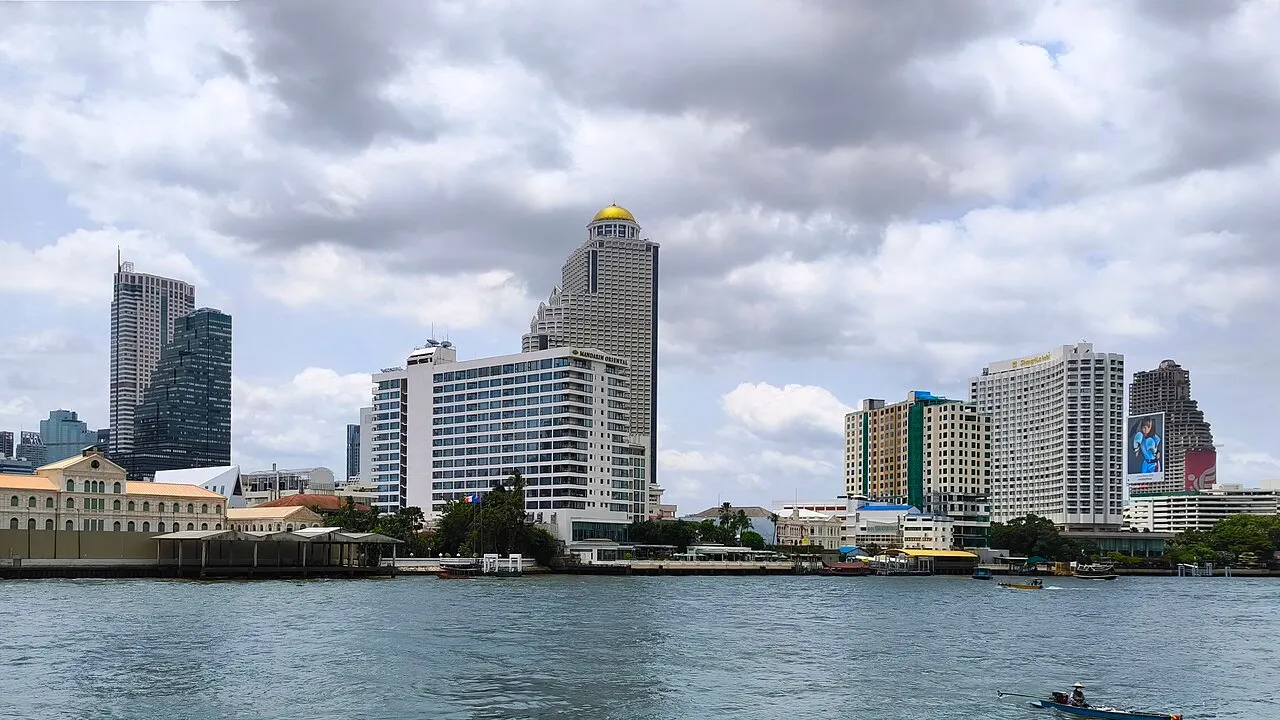
Buying Property in Asia from the UK: A Calm Due Diligence Guide
· 10 min read · Asia Real Estate
The most valuable part of buying abroad happens before you fall in love with a view. This is the slow, sensible groundwork that UK buyers can do from home.
Why Patience Is the First Investment
Asia is not one property market. It is dozens of legal systems, languages, currencies and building cultures, stretching from the apartment towers of Dubai to the timber townhouses of Kyoto. A buyer in Surrey looking at a condominium in Bangkok and a villa in Bali is not comparing two homes; they are comparing two entirely different sets of rules about who may own land, how title is recorded, which taxes apply and how money moves across borders. That is why we encourage every reader to begin with questions rather than listings.
If you are still deciding where to look, our Asian property destinations guide sets out cities and coastal areas with a short note on the character of each. Use it as a map of conversations to have, not a shortlist of things to buy. The rest of this guide explains the checks that should come before any reservation fee, deposit or signature.
Our approach mirrors the official guidance published by the UK government for people buying property abroad. That guidance is clear and practical, and we quote its principles throughout. It does not promise anything about returns, and neither do we. A home overseas can be a wonderful thing, but it is a purchase to be understood, not a product to be sold.
Start with What You Actually Want
Before you consider a single market, write down why you want to buy. A winter base for three months of the year leads to a different decision from a home for retirement, a place for children studying in the region, or a property you hope to let while you are away. Each purpose changes the questions that matter: proximity to hospitals, quality of the airport connections, rules on short-term rental, the strength of the local resale market and the realistic cost of maintenance in a humid climate.
It helps to be honest about how often you will visit. A villa with a garden and a pool needs regular care, staff or a reliable management arrangement. An apartment in a well-run building may need far less of your attention. Many buyers discover that a modest, well-located apartment fits their life better than the dramatic villa they first imagined, and that discovery is much cheaper to make on paper than after completion.
Finally, set a budget that includes everything, not just the purchase price. We return to costs below, but the principle is simple: decide what you can comfortably commit, including a margin for currency movement and surprises, and treat that as a ceiling rather than a starting point for negotiation.
Appoint an Independent, Licensed Lawyer
The single most important recommendation in the UK government guidance is to use an independent lawyer who is qualified and licensed in the country where you are buying, and who speaks English. Independent means exactly that: someone who acts for you alone, not a lawyer recommended by the developer or the seller, and not someone who receives a fee contingent on the sale going through.
A good local lawyer will explain whether a foreign national can hold the property directly, whether approvals are required, what form of title is being transferred, and what happens if the seller or developer fails to deliver. They should review the contract before you sign anything and before you transfer any money. If a seller presses you to sign quickly or to pay a deposit before your lawyer has reviewed the paperwork, treat that pressure as information.
It is also sensible to speak to a UK adviser about how an overseas property interacts with your affairs at home, including tax, inheritance and how you will fund the purchase. We do not give legal or tax advice, and the details vary greatly by country and by personal circumstance. What we can do is help you frame the questions and introduce you to independent professionals.

Understand Every Document You Sign
The government guidance also recommends an independent translator where documents are not in English. This is easy to underestimate. A contract may be presented with an English courtesy translation, but it is usually the local-language version that carries legal weight. Small differences in wording about completion dates, penalties, specifications or service charges can matter a great deal.
Never sign a document you do not fully understand, and never rely on a verbal assurance that is not reflected in writing. If an agent says the building will have a gym, a pool or a management company, ask where that promise appears in the contract. If a seller says the land can be built on, ask your lawyer to confirm the zoning and permissions with the relevant authority.
Keep copies of everything: reservation forms, receipts, emails and messages. A clear paper trail protects you if anything later becomes disputed, and it makes the job of your lawyer far easier.
Check Title, Debts and Utilities
Your lawyer should confirm that the seller actually owns the property and has the right to sell it, and that it is free of debts or charges that could pass to you. The UK guidance specifically mentions checking for outstanding debts and utility bills, because in some countries these can attach to the property rather than the person.
For apartments, ask about the building management, the service charge history and any planned major works. For villas and land, ask about access rights, boundaries, water supply, drainage and whether the structure on the land has the permits it should have. In fast-growing coastal areas it is not unusual for a beautiful house to sit on land with an unclear history. A careful buyer finds that out before paying, not after.
Where a survey or structural inspection is available, consider it. Tropical climates are hard on buildings: humidity, salt air, heavy rain and termites all take a toll. An independent inspection is a small cost against the price of a roof or a failed pool.
Count the Full Cost, Then Count It Again
The purchase price is rarely the whole story. Depending on the country, buyers can face transfer taxes, stamp duties, registration fees, legal fees, translation costs, agent fees, currency transfer costs and, in some markets, additional taxes for foreign buyers. The government guidance recommends understanding the full purchase cost and the ongoing costs before you commit.
Ongoing costs include service charges, maintenance, insurance, local property taxes where they apply, utilities, management fees if you let the property, and the cost of travelling to it. If you intend to rent the home out, ask your lawyer and a local accountant about how rental income is taxed locally and how it should be reported in the UK.
We suggest building a simple spreadsheet with three columns: one-off purchase costs, annual running costs and an allowance for the unexpected. Ask your lawyer to check the first column, ask the building or a management company for real figures for the second, and be generous with the third.
Currency Risk Is a Real Cost
When you buy in another currency, the price you pay in sterling can change between reservation and completion. For an off-plan purchase paid in stages, that exposure can last several years. The government guidance highlights currency fluctuation as a risk to understand before buying.
There are ways to manage this, including fixing an exchange rate for a future payment through a regulated currency provider. Whatever you choose, use regulated providers, confirm payment details directly with your lawyer by a trusted method, and be alert to fraud. Emails changing bank details at the last moment are a known tactic used by criminals.
Currency also affects selling. If you sell in the future and convert the proceeds back to sterling, the exchange rate at that time will shape your result just as much as the local price.

Off-Plan and Resale: Weighing the Difference
Many new homes in Asia are sold off-plan, meaning you agree to buy before construction is complete. The UK guidance notes that buying off-plan can carry greater risk than buying a completed resale property. Projects can be delayed, specifications can change and, in the worst cases, developers can fail.
If you consider off-plan, ask your lawyer how your stage payments are protected, whether funds are held in a supervised account, what the contract says about delay and what recourse you have if the building is not finished. Look at the developer’s completed projects in person, not only in brochures.
A resale property lets you see exactly what you are buying, talk to neighbours and check the building management. It may cost more per square metre, but it removes a layer of uncertainty that many first-time overseas buyers are wise to avoid.
Be Careful with Promised Returns
Some marketing in the region promises guaranteed rental returns for a fixed number of years. Treat any such promise with great care. A guarantee is only as strong as the company behind it, and the cost of the guarantee is often built into the purchase price. Ask your lawyer who is giving the guarantee, what assets stand behind it, and what happens if that company stops paying.
We never describe a property as a guaranteed investment, and we encourage readers to view any income as a possible benefit rather than the reason to buy. Values can fall as well as rise, rental demand can change and regulations on short-term letting can tighten.
Plan for Life After Completion
Think about how you will look after the home when you are not there. Who holds the keys? Who checks for leaks after a storm? Who pays the bills? A trustworthy local manager, a well-run building or a good relationship with neighbours makes overseas ownership far more relaxing.
Consider also your plans for the long term. Find out how resale works, what costs apply when selling and how the property would pass to your family. Ask your lawyer whether you need a local will. These are not cheerful questions, but answering them early is a kindness to your future self.
Insurance deserves its own conversation. Check what cover is available for the building and contents, whether it includes storm and flood damage, and how claims are handled from overseas. If the building has its own policy, find out exactly what it covers and what remains your responsibility. Keep a simple folder, physical and digital, with your title documents, contracts, insurance details, utility accounts and the contact details of your lawyer and manager, so that you or your family can find everything quickly if needed.
A Simple Checklist to Take with You
Before you pay anything: appoint an independent, licensed, English-speaking lawyer; arrange independent translation of key documents; confirm who can own the property and in what form; check title, debts, utilities and permits; list every purchase and running cost; understand currency exposure; and decide whether off-plan risk suits you. Read the official UK government guidance for buying property abroad in full; it is short and worth the time.
When you are ready to talk, our property search and enquiry service is a quiet place to start. Tell us where you are curious about, what you hope to spend and how you want to live, and we will reply thoughtfully, with no pressure and no promises we cannot keep.