Bali, Phuket or Da Nang: Choosing a Coastal Home in Asia
· 10 min read · Asia Real Estate
Three coastlines, three temperaments. Before comparing prices, compare mornings: the light, the sounds, the walk to coffee and the way the sea changes through the year.
Choose the Life, Then the Property
Bali, Phuket and Da Nang are among the most searched coastal destinations in Asia for buyers from the UK. Each offers warm water, international food and generous light. Yet they feel profoundly different to live in, and the right choice depends far more on the shape of your days than on any headline price.
This guide compares them through a lifestyle lens and highlights the ownership questions that must be answered locally. It does not offer legal or tax advice, and it makes no claims about returns. For a wider view of the region, our Asian destinations and property search covers twenty locations from Niseko to Abu Dhabi.
Bali: Rice Terraces, Surf and Open-Air Living
Bali is an island of contrasts. In the south, the coast from Uluwatu to Canggu draws surfers and young families, with cafés, co-working spaces and beach clubs. Inland, Ubud and the surrounding villages offer rice terraces, forest and a slower, more spiritual pace shaped by Balinese Hindu culture and its daily offerings.
Homes here often embrace open-air design: living pavilions, timber, alang-alang roofs, gardens and private pools. That architecture is beautiful and suits the climate, but it requires ongoing care. Timber needs treatment, gardens grow quickly and pools need daily attention. Many owners rely on local staff or a management company.
Ownership in Indonesia works differently from the UK. Foreign buyers frequently encounter leasehold arrangements and specific legal structures, and the rules have been subject to change. This is an area where independent, licensed local legal advice is essential before any money is paid. Be wary of arrangements that rely on informal nominee ownership, and ask your lawyer to explain plainly what you will own and for how long.

Phuket: Established Bays and Island Convenience
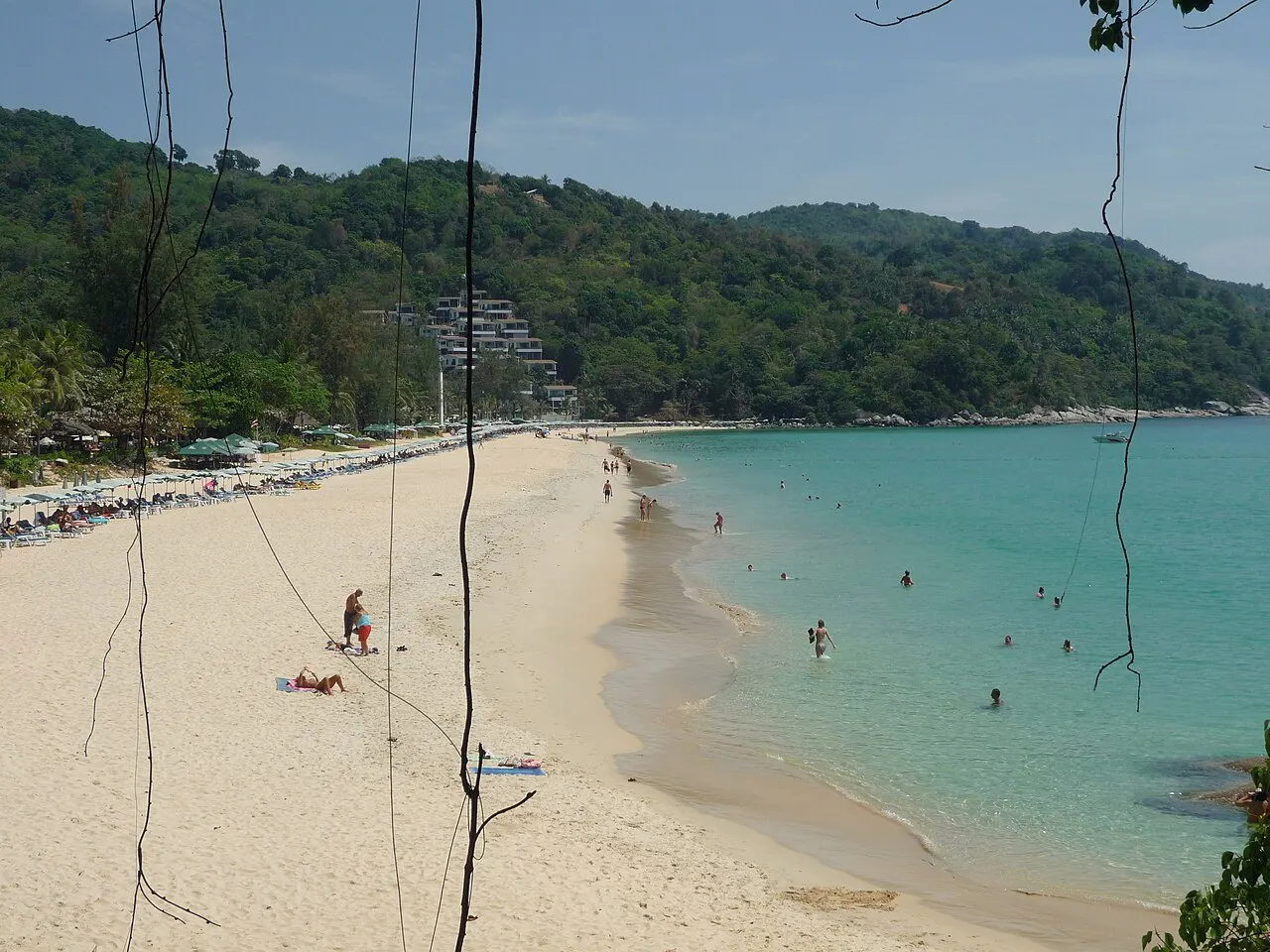
Phuket is Thailand’s largest island and one of the most established resort destinations in Asia. Its west coast curves through a series of bays, each with its own character: lively Patong, family-friendly Kata and Karon, quieter Kamala and the upscale stretches around Bang Tao and Surin. The north of the island, near the airport, feels greener and calmer.
Daily life is convenient. There are international hospitals, schools and supermarkets, and the airport has direct regional connections with onward links to Europe. Property ranges from apartments with sea views to hillside pool villas. The monsoon season brings rougher seas on the west coast, which is worth experiencing before you buy.
In Thailand, ask an independent Thai-licensed lawyer to explain the exact rights attached to the home you are considering. Do not assume that a condominium, villa and plot of land carry the same ownership rights. Have your lawyer verify eligibility, any applicable ownership limits, the title and all contractual obligations before you pay a deposit.
Da Nang: A City on the Beach
Da Nang offers something rare: a modern, functional city sitting right on a long sandy beach. My Khe beach runs for kilometres along the eastern edge of the city, with the Son Tra peninsula and its forest to the north and the Marble Mountains to the south. The historic town of Hoi An, with its lantern-lit river and tailors, is a short drive away.
Life here can feel practical and unhurried. Wide roads, new bridges, local markets and a growing international community make it attractive to buyers who want coast and city in one place. Apartments with sea views are the most common property type for overseas buyers.
Vietnam has its own framework for overseas buyers. Ask an independent, licensed local lawyer whether you are eligible to buy the specific home, which rights you would receive and how long those rights last. Your adviser should check the project approvals, the seller’s title and the current rules before you sign any agreement.

Climate and Seasons
Tropical does not mean the same everywhere. Bali has a wet season and a dry season, with the dry months generally falling in the middle of the year. Phuket’s west coast is calmest in the northern hemisphere winter, while the summer months bring stronger swells. Da Nang has its own rainy season later in the year, when storms can affect the central coast of Vietnam.
Visit in more than one season if you can. A home that feels perfect in a dry, breezy month may feel very different during heavy rain. Ask neighbours about flooding, power cuts and how buildings cope with storms.
Getting There from the UK
Accessibility matters more as the years pass. Consider journey time, the number of connections and how easy it would be to travel at short notice. Bali and Phuket both have international airports with many regional connections, and Da Nang has a growing international airport. Major hubs such as Singapore, Bangkok and the Gulf cities provide onward links to the UK.
Before travelling, check the UK government’s foreign travel advice for each country. It is updated regularly and covers entry requirements, safety and health information.
Villas, Apartments and the Reality of Upkeep
The fantasy is a villa with a pool and a view. The reality includes a pump that needs servicing, a garden that grows a metre a month and a roof that must withstand monsoon rain. None of this is a reason not to buy a villa, but it is a reason to budget properly for maintenance and management.
Apartments in well-run buildings shift much of that work to a management company, funded by a service charge. Before buying, ask to see accounts, maintenance records and the rules on letting. In resort areas, understand whether short-term letting is permitted, both by the building and by local law.
Community and Belonging
Each coast has a different expatriate and local community. Bali attracts creative and wellness-focused residents. Phuket has long-established international communities, sailing and golf. Da Nang is home to a younger, growing international population alongside a vibrant local city life.
Learning a little of the language, respecting local customs and supporting local businesses make a lasting difference to how welcome you feel. The best overseas homes are those where owners become part of a place rather than visitors in it.
Renting Before You Buy
One of the most useful things a prospective buyer can do is rent first. A few weeks, or better still a few months, in a rented apartment or villa reveals what no viewing trip can: the noise at night, the walk to the beach in the midday heat, the reliability of the electricity and the friendliness of the street. It also gives you time to meet local lawyers, managers and neighbours without the pressure of a deadline.
Renting lets you compare areas within a destination too. In Bali, the difference between living near the southern beaches and living in the hills around Ubud is enormous. In Phuket, the east and west coasts feel like different islands. In Da Nang, life near the river is not the same as life on the beachfront. A season spent living rather than visiting is often the best due diligence of all.
Many buyers find that renting changes their mind about the type of property they want, and some decide that renting long term suits them better than buying. That is a perfectly good outcome. The aim is a life that fits, not a purchase for its own sake.
Comparing Costs Honestly
It is tempting to compare price per square metre, but that rarely tells the whole story. Compare total purchase costs, the length and terms of any lease, running costs, management fees, insurance, travel and currency exposure. The UK government guidance for buying property abroad recommends understanding all of these before committing, and it is good advice in every market.
Remember too that values can fall as well as rise, and that resale markets in resort areas can be slower than in major cities. Buy something you would be happy to own and use for many years.
Healthcare, Schools and Everyday Practicalities
For many buyers, especially those planning to spend long periods abroad, healthcare is the deciding factor. Phuket has well-established private hospitals serving international patients. Bali has private clinics and hospitals in the south, with some residents travelling to larger regional centres for specialist care. Da Nang has growing private medical facilities and access to larger hospitals in the city. Visit them, understand what your insurance covers and think about how you would manage an emergency.
Families should look carefully at schools. International schools exist in all three areas, but places, curricula and fees vary widely. If schooling matters, contact schools directly early in your search, as availability can shape where you choose to live.
Everyday practicalities matter just as much: reliable internet if you work remotely, the quality of local roads, the distance to a good supermarket and how you will get around. A beautiful villa at the end of a steep, unlit track may be less appealing in rainy-season traffic than it looked in the brochure.
Letting Your Coastal Home
Many owners hope to let their home when they are not using it. Holiday letting can help cover costs, but it is never guaranteed, and it changes the experience of ownership. Guests expect cleaning, check-ins, maintenance and quick responses, which usually means paying a management company a significant share of the income.
Rules on short-term letting differ by country, by local area and sometimes by building. Some developments prohibit it entirely; others require licences. Ask your lawyer and the building management for the current position in writing, and find out how rental income is taxed locally and how it should be reported in the UK.
If someone offers you a fixed or guaranteed rental return, ask who stands behind that promise and what happens if they stop paying. The safest assumption is to buy a home you can afford without any rental income, and to treat any income as a welcome bonus.
Respecting the Environment You Are Buying Into
Asia’s coastlines are extraordinary, and in places fragile. Rapid building can strain water supplies, waste systems and the landscape that drew people there in the first place. Ask how a development manages water and waste, whether it respects local building codes and how it affects the surrounding area.
Buildings designed for the climate, with shade, cross-ventilation and local materials, are often more comfortable and cheaper to run than glass boxes that rely on constant air conditioning. Thoughtful design is not only kinder to the environment; it usually makes for a better home.
Questions to Ask on Every Coast
What exactly will I own, and for how long? Is this structure lawful and how is it registered? Who holds title to the land? What permits does the building have? What are the full purchase and running costs? Can I let the property, and on what terms? What happens on resale or inheritance? Who will look after the property when I am away?
Bring these to an independent lawyer and expect clear answers in writing. Read the UK foreign travel advice for each country you are considering, and take time over your decision.
Finding Your Coast
If you are drawn to rice terraces and surf, Bali may call you. If you want convenience and established bays, Phuket may fit. If a city on the beach appeals, Da Nang deserves a visit. Many buyers spend time in all three before deciding, and that time is never wasted.
When you are ready, share your preferences through our coastal property enquiry. Our buying from the UK due diligence guide is a good companion read before you begin.