Singapore Property for Foreign Buyers: Condominiums and Landed Homes
· 10 min read · Asia Real Estate
Singapore is often described as open to foreign buyers. The truth is more precise, and more useful: the type of home you choose decides which rules apply.
A City Built on Clarity
Few places in Asia publish their property rules as clearly as Singapore. The Singapore Land Authority sets out, in plain language, which kinds of residential property a foreign person may buy freely and which require approval. For a buyer in the UK, that clarity is a gift. It means the first question is not “can I buy here?” but “what kind of home am I actually looking for?”
This guide explains the distinction in general terms and points you to the official source. It is not legal advice. Rules can change, individual circumstances differ and taxes or eligibility conditions apply separately. Anyone seriously considering a purchase should speak to an independent Singapore-qualified lawyer. If you are comparing Singapore with other markets, our guide to Asian property destinations sets the city alongside nineteen others.
The Residential Property Act in One Paragraph
Singapore’s Residential Property Act governs foreign ownership of residential property. The Singapore Land Authority explains that foreign persons generally need approval to buy restricted residential property, which includes landed homes such as detached houses, semi-detached houses and terraced houses, as well as vacant residential land. In contrast, the Authority states that foreign persons may buy condominium units and flat units in buildings that are not restricted without needing approval under the Act.
That is the heart of it. In general terms, the apartment in a private condominium development is the natural route for an overseas buyer, while the house with its own plot of land is a much more restricted category. The word “generally” matters: there are definitions, exceptions and a formal approval process, and only a qualified professional should tell you how they apply to you.
Condominium Units: The Usual Starting Point
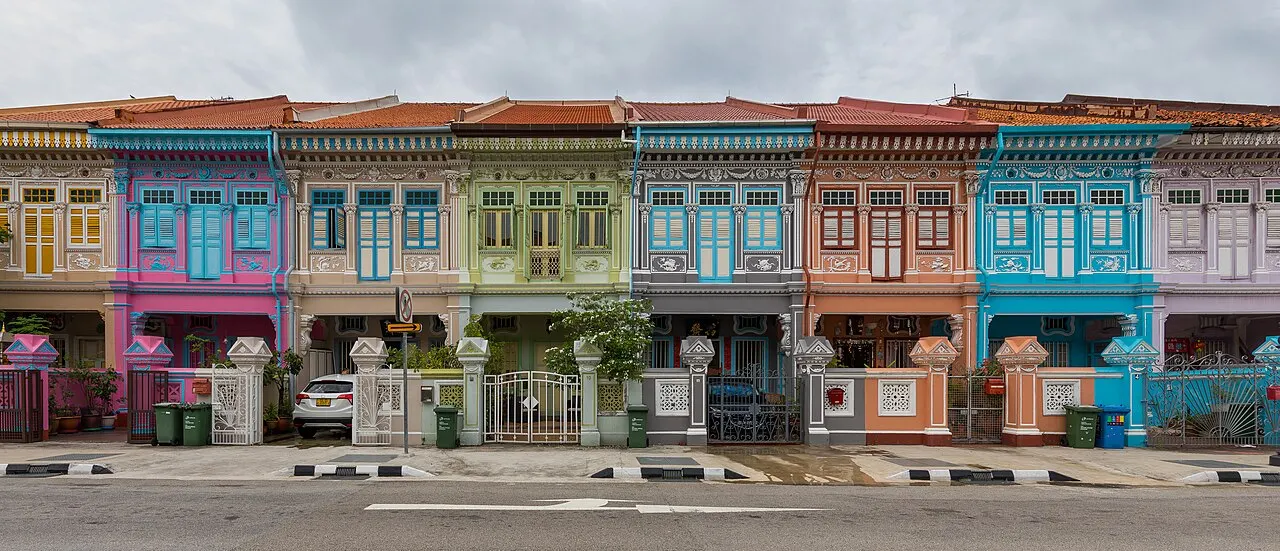
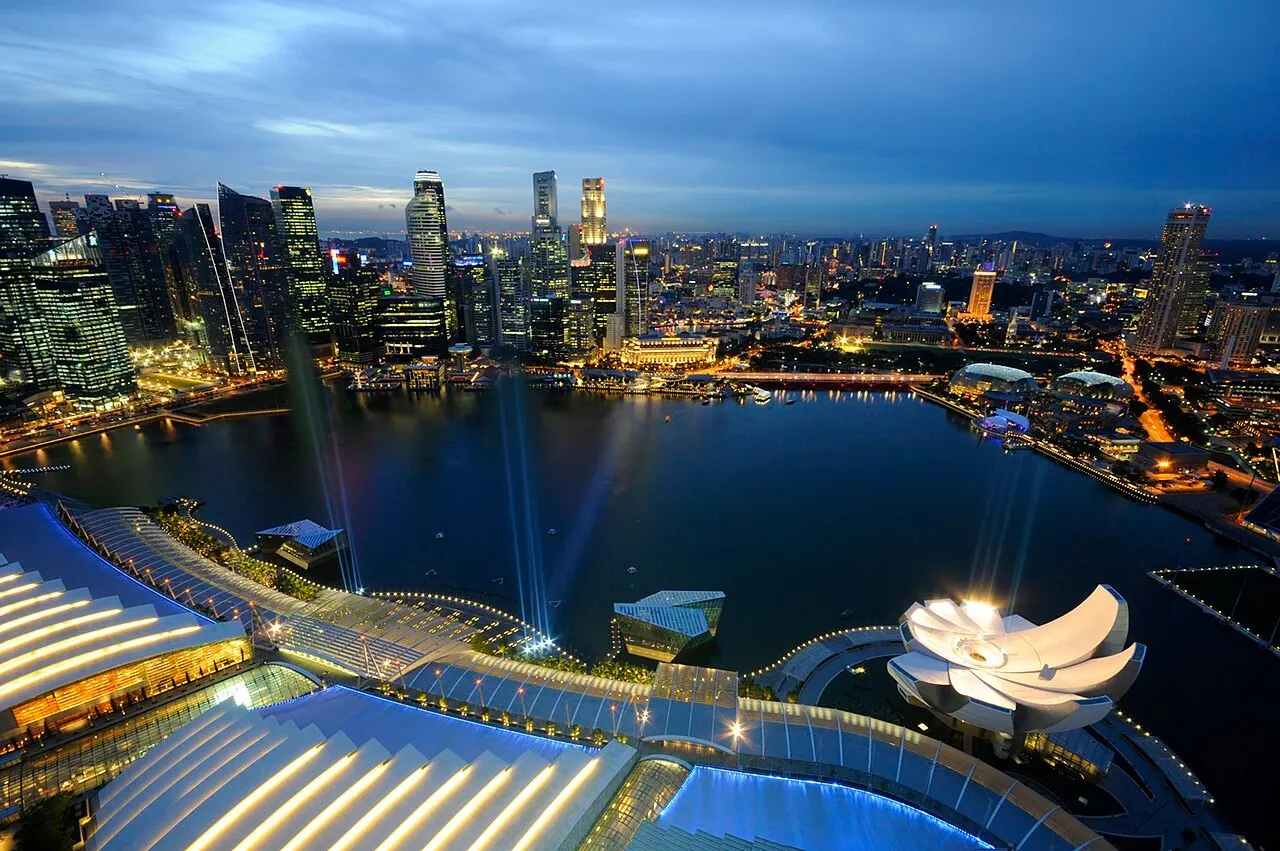
For most UK buyers, a condominium unit is where a Singapore search begins. Private condominiums typically offer shared facilities, security and professional management, which suits owners who live elsewhere for part of the year. Developments range from compact city apartments near the business district to larger family units in quieter residential areas with green space and good schools nearby.
The Singapore Land Authority confirms that these units can be purchased by foreign persons without approval under the Residential Property Act. That does not mean there are no other rules. Separate taxes, including stamp duties that may apply at different rates to foreign buyers, are set by other authorities and change over time. Your lawyer should confirm the current position on every cost before you commit.
It is also important to distinguish private condominiums from public housing. Singapore’s public housing system has its own eligibility rules, and an overseas buyer should not assume that any flat advertised is open to them. Again, the answer lies in the specific property and the specific rules, which is why independent advice matters.
Landed Homes: Why Approval Is Usually Required
Landed property is a scarce and closely managed resource in an island nation of Singapore’s size. The Singapore Land Authority explains that foreign persons generally need approval before acquiring landed residential property. Approval is not automatic, and applications are assessed against published criteria.
For a buyer used to the UK, where a foreign national can usually buy a house without special permission, this can be surprising. It is a reminder that every country makes its own choices about land, and that those choices reflect local priorities. A thoughtful buyer respects that and works within it, rather than looking for ways around it.
Sentosa Cove: A Specific Exception Worth Understanding
Sentosa Cove, the waterfront residential area on Sentosa island, is often mentioned in conversations about landed homes for foreigners. The Singapore Land Authority addresses Sentosa Cove specifically. Its guidance makes clear that landed homes there remain restricted residential property, and that foreign persons generally need approval before buying one. In other words, Sentosa Cove is not a general exception to the rules on landed homes, even though it is frequently discussed as an option for international buyers.
Because this is a particular area with particular procedures, it is precisely the kind of detail that should be confirmed by an independent lawyer using the latest official guidance. Please do not rely on articles, including this one, for the final word.
Taxes, Eligibility and Other Rules Sit Alongside Ownership
Being allowed to buy a property is not the same as knowing what it will cost. Singapore applies stamp duties on property purchases, and additional duties may apply depending on the buyer’s residency status and the number of properties they own. These rates are set by other government bodies and have changed several times in recent years.
Financing is another consideration. Lending rules for foreign borrowers, loan-to-value limits and debt servicing requirements may differ from what you are used to at home. If you intend to borrow, speak to a regulated lender early. If you intend to let the property, ask about the rules on minimum rental periods and the reporting of income.
From a UK perspective, the UK government’s guidance on buying abroad applies here as everywhere: use an independent lawyer, understand the full cost, think about currency exposure and keep a clear record of every payment.
What Living in a Singapore Condominium Feels Like
Beyond the rules, it is worth imagining daily life. Singapore condominiums often centre on shared gardens and pools, with security at the gate and a management office handling maintenance. Many are close to transport lines, which makes car ownership optional for many residents. Neighbourhoods vary from the high-energy streets around the city centre to quiet, leafy districts where families walk to school.
The climate is tropical year-round. Good ventilation, shade and quality air conditioning are practical considerations rather than luxuries. When you visit, notice how a building handles afternoon storms, how well common areas are kept and how residents use the facilities. Those small observations often tell you more than a brochure.
Questions to Ask Before Making an Offer
Is the property a condominium or flat unit, or is it restricted residential property? Does the purchase require any approval under the Residential Property Act? Which stamp duties apply to me today, and at what rate? What are the monthly maintenance charges and is a sinking fund in place? Is the lease freehold or leasehold, and how many years remain? What are the rules on letting the unit?
Write these questions down and take them to your lawyer. Ask the selling agent for documents rather than assurances. A good agent will understand why you are asking and help you find the answers.
How Singapore Compares with Neighbouring Markets
Singapore’s clarity contrasts with markets where foreign ownership operates through leases, company structures or nominee arrangements. Those structures can be lawful when properly set up, but they require careful legal work and carry risks that should be fully understood. In Singapore, the distinction between condominium units and landed homes is simple enough to explain in a sentence, which makes the city an approachable first step into Asian property for many UK buyers.
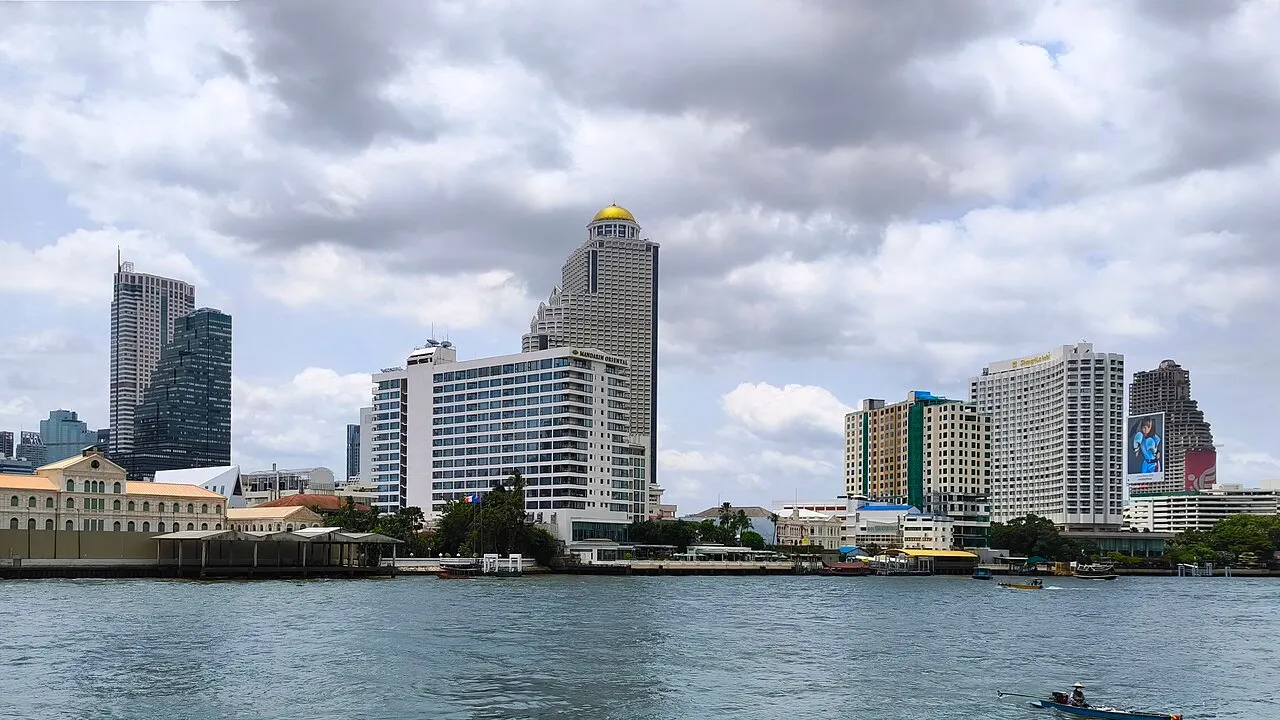
That simplicity has a price. Singapore is one of the most expensive property markets in the region, and entry costs are high. Some buyers decide that a condominium in Kuala Lumpur, Bangkok or Penang better matches their budget and lifestyle. Others choose Singapore precisely because the rules are clear and the city is so well run.
Freehold, Leasehold and the Age of a Building
Many Singapore condominiums are built on leasehold land, commonly with long leases, while others are freehold. The remaining length of a lease can affect how a property is valued, how easily it can be financed and how it may be sold in the future. When you look at a unit, ask your lawyer to confirm the tenure and the number of years remaining, and think about how that might matter to you or to a future buyer.
The age of the building matters too. Older developments can offer larger floor plans and mature gardens, but may face higher maintenance costs as facilities age. Newer developments may offer modern specifications but smaller units. Ask for the maintenance history, the condition of shared facilities and whether the management corporation has a healthy reserve fund for major repairs.
Some older condominiums in Singapore have been sold collectively to developers for redevelopment. This is a specific legal process with its own rules and outcomes, and it is another topic on which a local lawyer can give you balanced, accurate information.
Working with Agents and Advisers in Singapore
Singapore regulates its estate agents and salespersons, and it is sensible to deal only with registered professionals. Ask any agent you work with for their registration details and check them against the official public register. A professional agent will be comfortable being checked and will understand why an overseas buyer is careful.
Remember whose interests each person represents. An agent marketing a development is usually working for the seller or developer. Your lawyer works for you. Your bank works within its own lending rules. Keeping those roles clear helps you weigh advice sensibly and spot where you need an independent view.
For buyers in the UK, practical arrangements also matter. Plan how you will view properties, whether you can rely on virtual viewings at the early stage, how you will sign documents and how funds will be transferred securely. Confirm bank details directly with your lawyer through a trusted channel before sending any money, and never act on a last-minute change of payment instructions received by email.
Thinking About the Long Term
Property is a long-term commitment, and Singapore is a market in which policy has been actively used to manage demand. Rules on stamp duties, lending and eligibility have been adjusted over time, and they may change again. A purchase that makes sense today should still make sense if the rules around it evolve.
It is also worth considering what happens when you want to sell, or when the property passes to your family. Ask your lawyer about the process and costs of resale, any holding period considerations and how ownership would be dealt with on death. Speak to a UK adviser about how an overseas asset fits into your wider plans. These conversations are rarely exciting, but they are what turn a purchase into a sound decision.
Where to Read More, and How to Talk to Us
The primary source for this article is the Singapore Land Authority’s page on foreign ownership of property in Singapore. We encourage you to read it directly and to check it again before making any decision, as official guidance is updated from time to time.
If Singapore is on your list, or you are weighing it against another city, our Asia property enquiry form is the easiest way to begin a conversation. We will listen first, introduce you to independent professionals where helpful and never promise outcomes that no one can guarantee.