HOUSES IN ASIA: A PRACTICAL BUYING GUIDE FOR UK HOMEBUYERS
· 10 min read · Asia Real Estate
A courtyard, a garden or a quiet street can make a house abroad feel like home. Finding the right one means understanding the building, the land and the life you will lead there.
WHAT DOES A HOUSE IN ASIA LOOK LIKE?
Houses in Asia range from narrow city terraces to detached villas, timber homes and courtyard compounds. Some sit within managed estates. Others belong to older neighbourhoods where markets, schools and small businesses share the street. The useful question is not which country has the best houses. It is which kind of home fits your routine, budget and legal position.
Start with our Asian property destinations to compare the settings, then build a short list around daily life. Decide whether you want a permanent base, a seasonal retreat or a place for family visits. A large garden offers privacy, but it also needs someone to look after it when you leave.
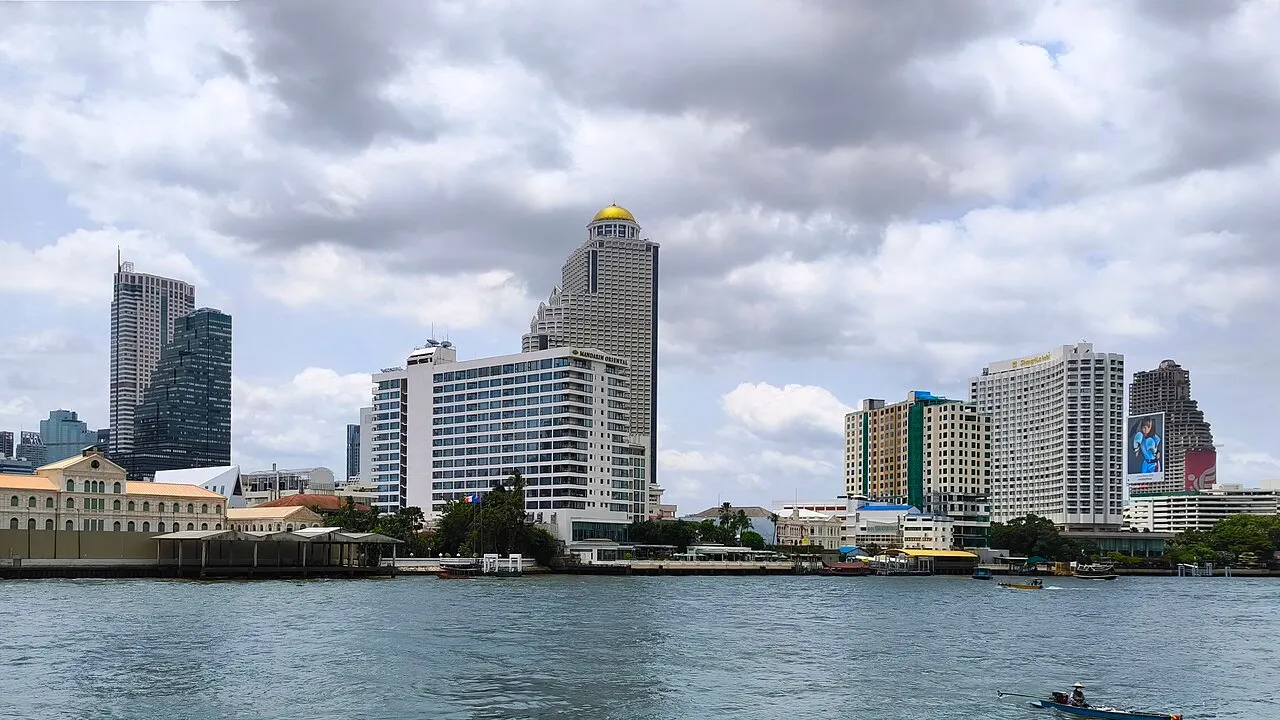
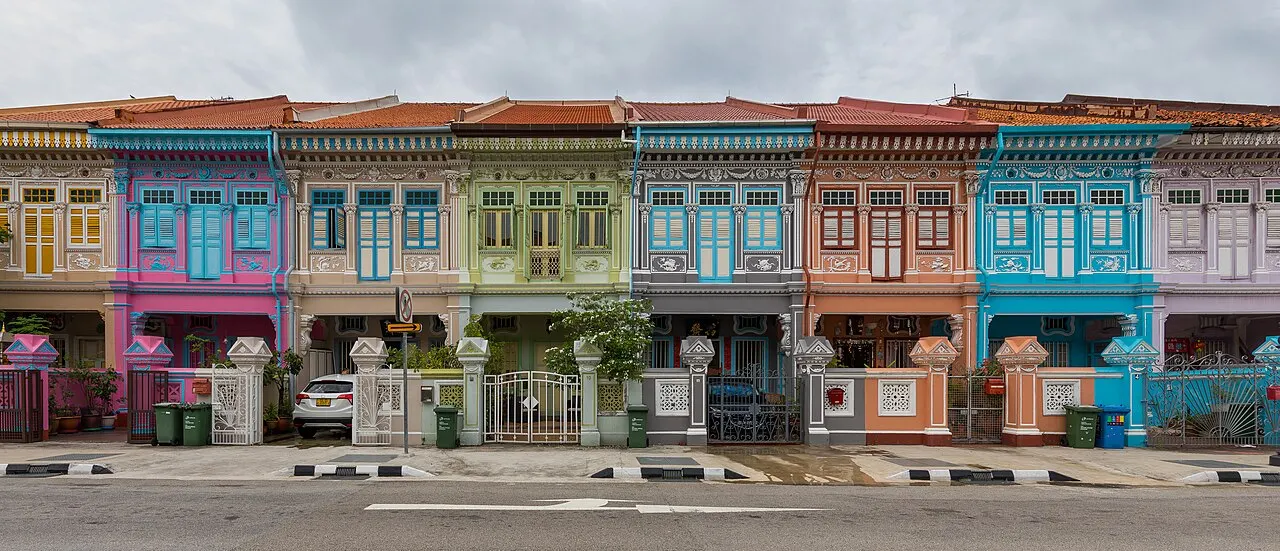
The photographs in this guide show real neighbourhoods and traditional buildings. They illustrate different housing styles, not homes offered for sale or evidence that a foreign buyer can purchase them.
CHOOSE A HOME STYLE BEFORE A POSTCODE
A detached house gives you control over outdoor space, yet puts roofs, drainage and boundary walls firmly on your maintenance list. A terrace often offers a more compact footprint near local services. Shared walls, limited parking and street noise are worth checking during several visits, rather than judging from a quiet viewing.
A managed villa estate can make ownership from overseas simpler. Ask what the service fee covers and who maintains roads, pools and security systems. Read the estate rules before assuming you can change the exterior, keep pets or let the house to holiday guests.
Traditional houses can have deep character and awkward practical details. Narrow stairs, ageing wiring and unusual construction deserve careful inspection. Treat a restoration budget as a separate project, not a small addition to the asking price.
SEPARATE THE HOUSE FROM THE LAND
The most important distinction is often between owning a building and owning the land beneath it. A listing that calls a property a villa does not explain the legal rights on offer. Nor does the word freehold tell you whether a foreign national is eligible to hold that title.
Ask an independent local lawyer to identify the registered owner, the title category, the boundaries and the rights being transferred. If the arrangement involves a lease, establish its remaining term, registration requirements and what happens when it ends. Do not treat a possible renewal as a guaranteed extension.
Be cautious about any proposal that relies on another person holding title for your benefit. An informal understanding is not a substitute for lawful ownership. Have every proposed structure checked against current local law before paying a reservation fee.
WHY COUNTRY RULES CHANGE THE SEARCH
Singapore shows why a house search needs a legal filter. The Singapore Land Authority says foreign persons need approval to buy landed residential property, including at Sentosa Cove. Its list includes terraces, semi-detached houses and detached homes. Certain other categories have different treatment. Buying an ordinary condominium unit and buying a landed house are not equivalent decisions.
Thailand also requires care. Its government guidance describes limited routes for foreign land acquisition, subject to conditions and permissions. A villa advertisement should never be read as confirmation that its land can be transferred to any overseas purchaser. Ask your lawyer which rights are available in your particular case.
These examples are not a complete regional rulebook. Citizenship, property classification and location can affect eligibility. Confirm the position for the exact house, not simply the country named in the brochure.
LOOK BEYOND THE HOLIDAY VERSION OF A PLACE
A good holiday destination is not always a convenient place to own a house. Walk to the nearest food shop. Try the journey to a hospital, station or school at a busy time. Check whether your street has safe pavements, reliable deliveries and somewhere practical to park.
Visit outside the season that first attracted you. A coastal village may be calm in one month and crowded in another. A hillside road may feel quite different after heavy rain. Ask residents what changes through the year, and compare their answers with your own observations.
Where possible, rent nearby before buying. A few ordinary weeks reveal more than a weekend of arranged viewings. Work, cook, travel and sleep there. You are testing whether the place supports your life, not whether it photographs well.

INSPECT FOR THE LOCAL CLIMATE
Climate should shape the survey. In warm, humid areas, ask about ventilation, damp, timber pests and the condition of air-conditioning units. Near the sea, inspect exposed metalwork and fittings for corrosion. Look behind furniture and inside roof spaces where access is safe and the inspector has permission.
Drainage deserves close attention. Establish where rainwater goes, whether neighbouring land drains towards the house and whether access roads flood. Ask for any history of water damage and compare the answers with an independent inspection. Fresh paint alone does not establish that a problem has been resolved.
In colder areas, heating, insulation and snow management can be just as important. The right survey is specific to the building and its setting. Ask the surveyor to distinguish urgent repairs from routine upkeep and to explain any limits to the inspection.
BUILD A BUDGET FOR OWNERSHIP
Compare houses using a total purchase budget, not the advertised price alone. Allow for legal work, taxes, registration, translation, surveys and currency transfers. Financing may add valuation, arrangement and insurance costs. Obtain written estimates from the people responsible for each part of the transaction.
Then prepare an annual running budget. Include property taxes where applicable, utilities, insurance, estate charges, garden care and repairs. A private pool needs regular attention even when nobody uses it. An empty house may still need ventilation, inspections and a local keyholder.
Keep a separate contingency for unexpected work. Ask for recent bills and service records rather than accepting a round monthly figure. If the house only looks affordable after assuming uninterrupted rental income, reconsider whether the purchase fits your finances.
PLAN CURRENCY AND FINANCE EARLY
A price agreed in a local currency can change in sterling before completion. The same applies to repairs, mortgage payments and service fees paid from a UK account. Set out the payment timetable and discuss your options with a regulated bank or currency provider before a deadline approaches.
Do not assume that mortgage products available to local residents will be open to you. Ask lenders about eligibility, deposit requirements, interest rates, repayment currency and early repayment terms. Obtain clear written terms and have the legal documents reviewed independently.
Protect the payment process too. Confirm recipient details through a trusted channel, especially if an email announces a last-minute change. A genuine-looking message is not proof that a new account belongs to your lawyer or seller.
CHECK TITLE, ACCESS AND ALTERATIONS
A house needs more than a convincing seller. Your lawyer should check the registered title, existing charges and the seller’s authority to complete the sale. Ask whether debts or unpaid charges could affect the property, and how they will be cleared before transfer.
Make sure the house has lawful access. A driveway crossing another plot, a shared well or a private drainage route may depend on rights that should be recorded and understood. Physical access during a viewing does not establish a legal right to use the route.
Compare the building with approved plans. An added bedroom, enclosed terrace or separate guest house may need consent. Establish who is responsible for resolving any missing approvals. Do not rely on a promise that paperwork can always be dealt with after completion.
UNDERSTAND HERITAGE AND REPAIR DUTIES
An older house may come with rules that protect its character. Before planning new windows, a different roof or an extension, ask which permissions apply. Find out whether specialist materials and trades are available, and obtain realistic estimates for work you already know is needed.
Traditional design also reflects local conditions. Deep eaves, shaded courtyards and steep roofs serve practical purposes as well as visual ones. Changes that look simple on paper can alter ventilation, water run-off or the way an older building handles moisture.
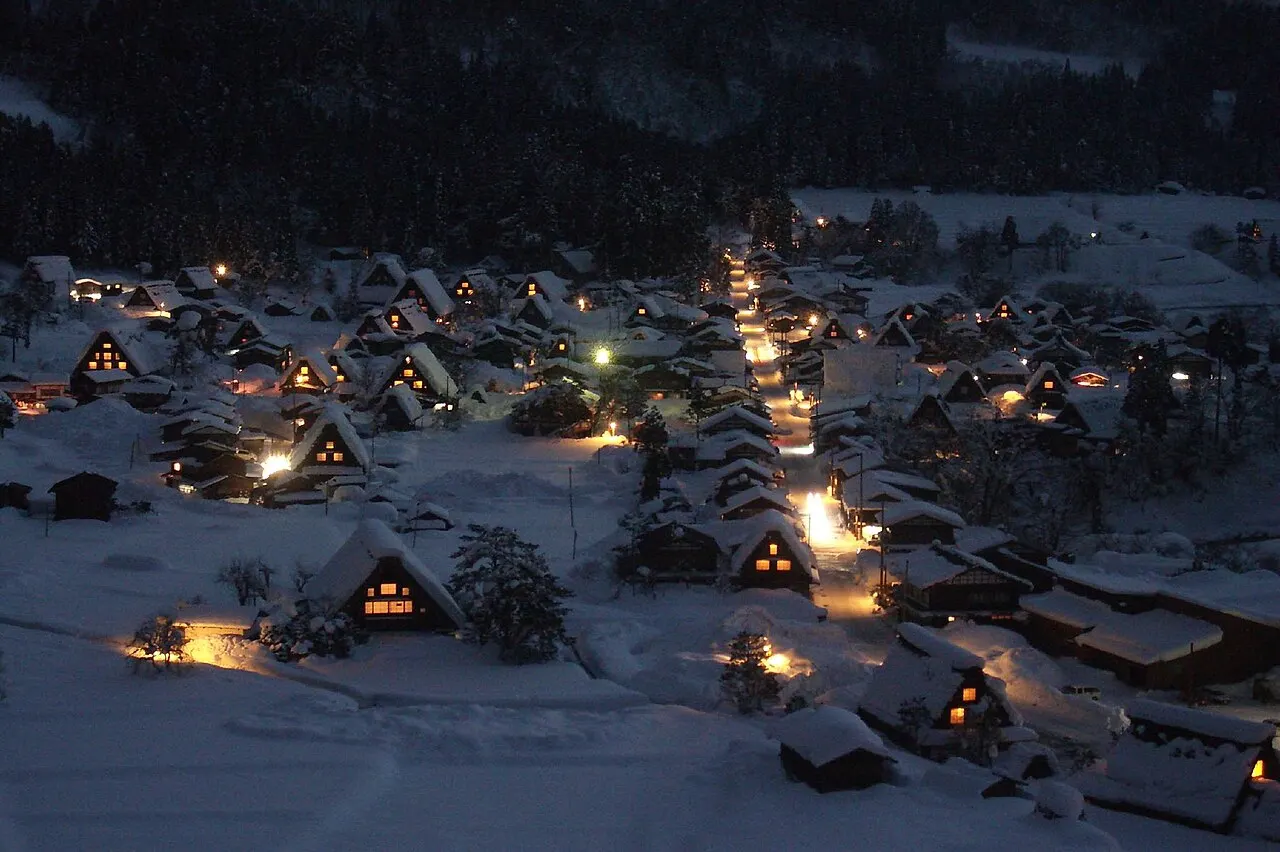
Do not mistake a famous historic village for a normal buying market. The Japanese houses pictured here illustrate architecture and climate, not current availability. Assess any real purchase on its own title, condition, restrictions and ongoing responsibilities.
KEEP RESIDENCE AND RENTAL RIGHTS SEPARATE
Owning a house does not, by itself, confirm a right to live in the country for as long as you wish. Check immigration rules separately from the purchase. Consider permitted stays, renewal conditions and access to healthcare before building a retirement or relocation plan around the property.
Rental rights are another separate question. A home suitable for your family may not be licensed for short stays. Local rules, planning conditions and estate agreements can all matter. Obtain advice before relying on a letting agent’s income forecast.
If you intend to rent, include management fees, vacancy periods, cleaning, repairs and taxes in the figures. Ask an adviser about both local obligations and your UK tax position. Possible income should not replace an affordable ownership budget.
COMPARE COMPLETED HOMES WITH OFF-PLAN
A completed house lets you inspect the rooms, garden, access and surroundings. You can ask neighbours about daily life and commission a survey of the actual building. That does not remove legal risk, but it reduces the number of promises you must assess.
An off-plan purchase adds construction and delivery questions. Establish how payments are protected, what specifications form part of the contract and what remedies apply if completion is delayed. Visit the developer’s finished projects and seek independent feedback from existing owners.
The UK government’s guidance for buying property abroad is a useful, practical starting point. It encourages independent legal advice, checks on title and utilities, and particular caution with off-plan purchases. Use it to prepare questions for your own advisers.
ARRANGE CARE BEFORE YOU COLLECT THE KEYS
Choose a local management arrangement before completion, especially if you will live in the UK for much of the year. Agree inspection frequency, emergency spending limits and how repair work will be approved. Ask for written reports and photographs rather than a vague promise to keep an eye on things.
Check insurance carefully. Confirm what is covered, which events are excluded and whether leaving the home empty changes the terms. Keep an inventory and a secure record of contracts, maintenance dates and reliable local tradespeople.
Think ahead to a sale or inheritance. Ask how a future transfer would work, whether a local will is appropriate and how family members could access the necessary records. Clear arrangements make the house easier to enjoy and easier to manage when circumstances change.
TAKE THE NEXT STEP WITH A CLEAR BRIEF
Write a one-page brief before arranging viewings: preferred setting, maximum total budget, likely length of stay and the features you genuinely need. Add your legal eligibility questions and a repair budget. Share the same brief with every adviser so that you compare like with like.
For a fuller preparation checklist, read our guide to buying property in Asia from the UK. Take time to resolve uncertainty before paying a deposit. A house that needs pressure to secure your commitment is not automatically an opportunity you should pursue.
Return to asia real estate to explore the wider region and decide where your search should begin. The aim is a house you can lawfully own, comfortably maintain and genuinely enjoy, not simply an attractive photograph.